The transformation economy: what does shifting luxury spending look like?
We’ve explored how indulgence is evolving, now we see it in practice with three cases highlighting the shift in wealthy consumer behaviour.

We’ve explored how indulgence is evolving, now we see it in practice with three cases highlighting the shift in wealthy consumer behaviour.

Bernhard Bohnenberger founded Discover Collection in response to affluent travellers growing weary of interchangeable five-star resorts, rather seeking environments that feel location-specific, difficult to access and intellectually engaging.
Membership allows access to the group’s properties – all small in scale and offering an alternative to traditional luxury venues, with field experts and wellness practitioners in residence.
Members may learn from a marine biologist, work with a hypnotherapist, or join an artist or geologist exploring surrounding landscape. “We want to revolutionise luxury hospitality through enriching and transformational experiences,” says Bohnenberger.

Tramp in London has long been synonymous with privacy, celebrities and excess. The club’s newest iteration, Tramp Health, takes a more balanced approach.
This new venture focuses on preventative health and performance. Facilities include gym studios, breathwork spaces, saunas and a wellness café, with zones for IV therapy, red-light therapy and hyperbaric oxygen, supported by specialist practitioners. Member programmes are structured around personalised guidance and biometric testing.
By combining a traditional members’ club with state-of-the-art wellbeing infrastructure, Tramp Health embeds wellness within an existing social ecosystem. The result aims to pair pleasure with performance and belonging with longevity.
Image: In balance Tramp Health’s breathwork space
As UK public spending pressure has intensified, state funding for the arts has weakened. Into the gap steps a new generation of private patrons – young HNWIs looking for meaningful investments.
Artistry Townhall in Fulham brings together artists and wealthy individuals, where a portion of membership fees goes towards supporting young creatives. Camden’s House of KOKO club also supports emerging talent across creative industries, an early move towards embedding patronage within the club model. This reflects a broader repositioning of private clubs to appeal to a younger generation as focused on cultural capital as they are on financial capital.
“There’s a much stronger desire now to be part of something meaningful, rather than just somewhere exclusive,” says Jamie Caring, a members’ club consultant and specialist in community building at Sevengage. “Their entire reason for existing is to explore, celebrate and collaborate around arts, ideas and creativity.”
Delve deeper into the insights, access our comprehensive databank, and explore future predictions from our team of experts.

The Wealth Report
We reflect on the past 20 years of the art market, highlight today’s opportunities, and explore the shifting attitudes of new collectors.
23 April 2026
The Wealth Report
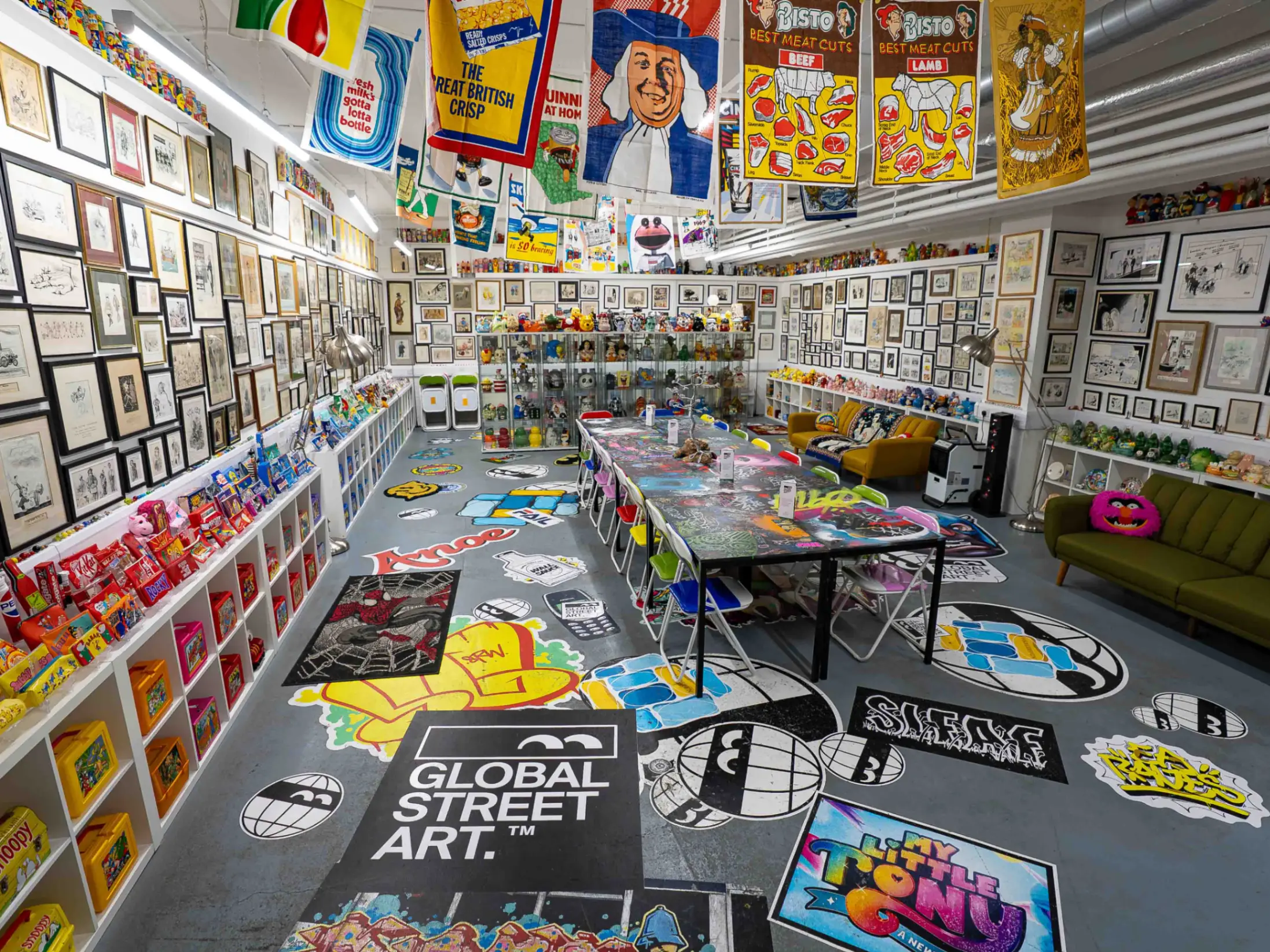
Collector and CEO of Global Street Art, Lee Bofkin believes the value of collecting lies not in money, but in taste, knowledge and time.
23 April 2026
The Wealth Report
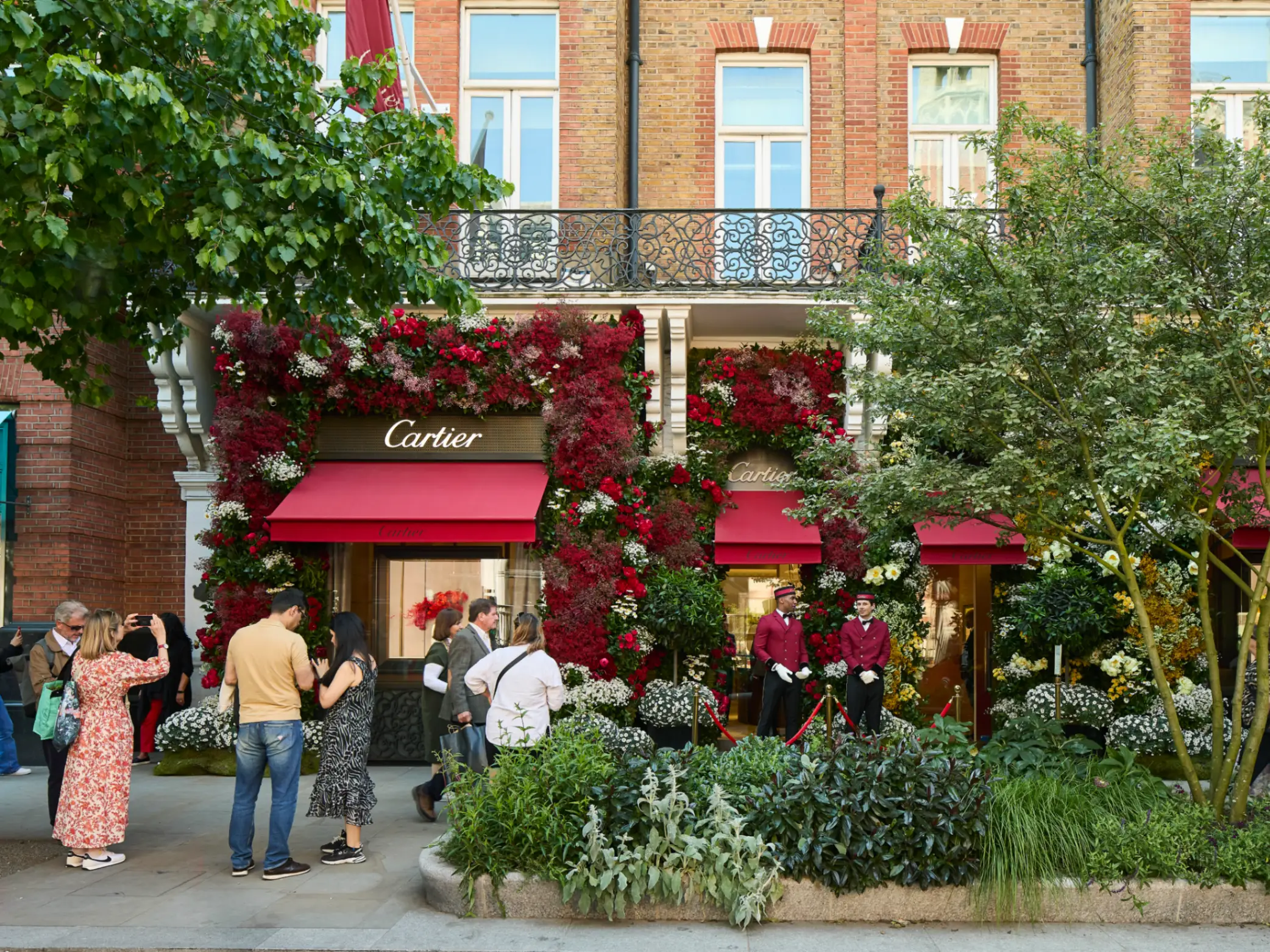
Hugh Seaborn, CEO of The Cadogan Estate, measures his plan for London’s Chelsea in generations. We talk to him about his long view approach.
23 April 2026

The Wealth Report
As mobility becomes ever more important to the wealthy, we navigate the latest superyacht and private jet trends.
23 April 2026

The Wealth Report
Luxury isn’t just about what you own – it’s about who you’re becoming. We trace the shifting desires of the world’s wealthiest consumers.
23 April 2026
The Wealth Report
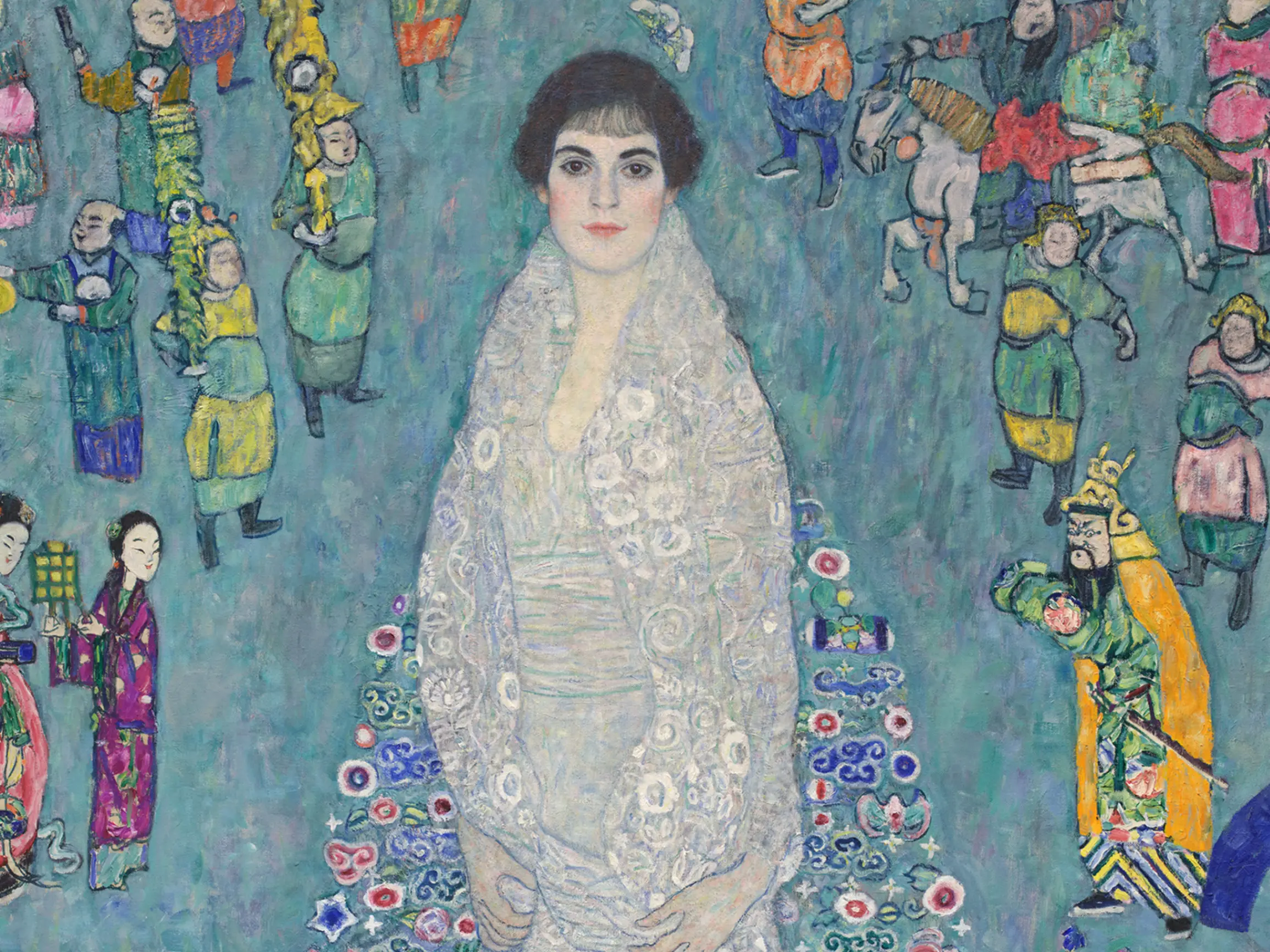
The results of the Knight Frank Luxury Investment Index suggest luxury collectibles are finding their footing again.
23 April 2026

The Wealth Report
We’ve looked at how indulgence is evolving, now we see it in practice with three cases highlighting the shift in luxury spending.
23 April 2026
Sorry!
An unexpected error has occurred.
Please try again later.