The evolution of indulgence: a new look at luxury spending
In the 20th edition of The Wealth Report, we’re revisiting our predictions over the years to see how they’ve fared.

In the 20th edition of The Wealth Report, we’re revisiting our predictions over the years to see how they’ve fared.

Wealth trends evolve slowly but that rhythm was disrupted in 2008 as the economic crash changed how the wealthy purchased products and services.
The 2009 Wealth Report predicted a shift in luxury consumer behaviour, from conspicuous consumption towards intentional, experience-based spending, saying “there is a tangible shift towards something more considered in terms of consumption and lifestyle”.
That prediction has played out clearly in the shifting shape of luxury.
Between 2020 and 2021, wellness (the theme of 2020’s Wealth Report), longevity and “emotional luxury” emerged as top spending drivers, leading to the rise of “stealth wealth” and “quiet luxury” – expensive, unbranded and deliberately understated.
Martin Raymond, co-founder of research consultancy The Future Laboratory, describes it as “a more quiet, sustained, careful, conscious-based wealth”.
Post-pandemic, wealthy consumers began scrutinising whether the products they were buying still represented good value.
“Luxury brands became way too expensive and way too repetitive,” says Erwan Rambourg, Managing Director, Global Head of Consumer and Retail Equity Research at HSBC. “It isn’t that the young generation lost interest in luxury. They lost interest in a broken value proposition.”
This led to what Rambourg describes as a “transfer of consumption” from goods to experiences – particularly travel, fine dining, hotels and homes.
This new era sees the wealthy gravitate towards brands that enable personal transformation through self-improvement, health optimisation or longevity.
“It’s often about life-changing moments that might be extreme travel or a rare encounter with a person or an object,” Raymond explains.
Brands best positioned for the transformation economy offer access to at least one of three pillars: belonging, purpose or wellness. “Brands are taking advantage of this need and rebuilding spaces that allow you to explore and self-actualise,” Raymond concludes.
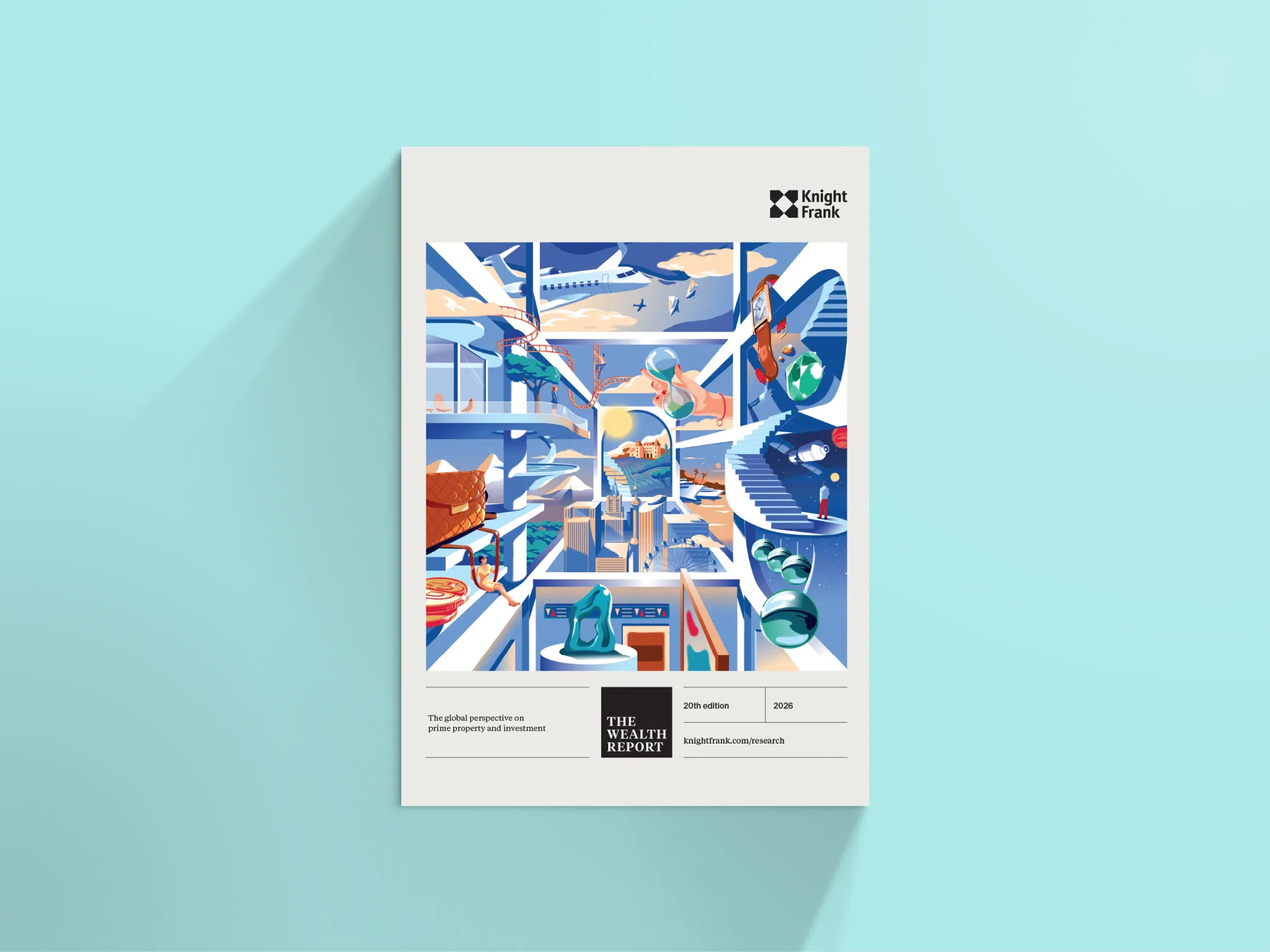
Delve deeper into the insights, access our comprehensive databank, and explore future predictions from our team of experts.
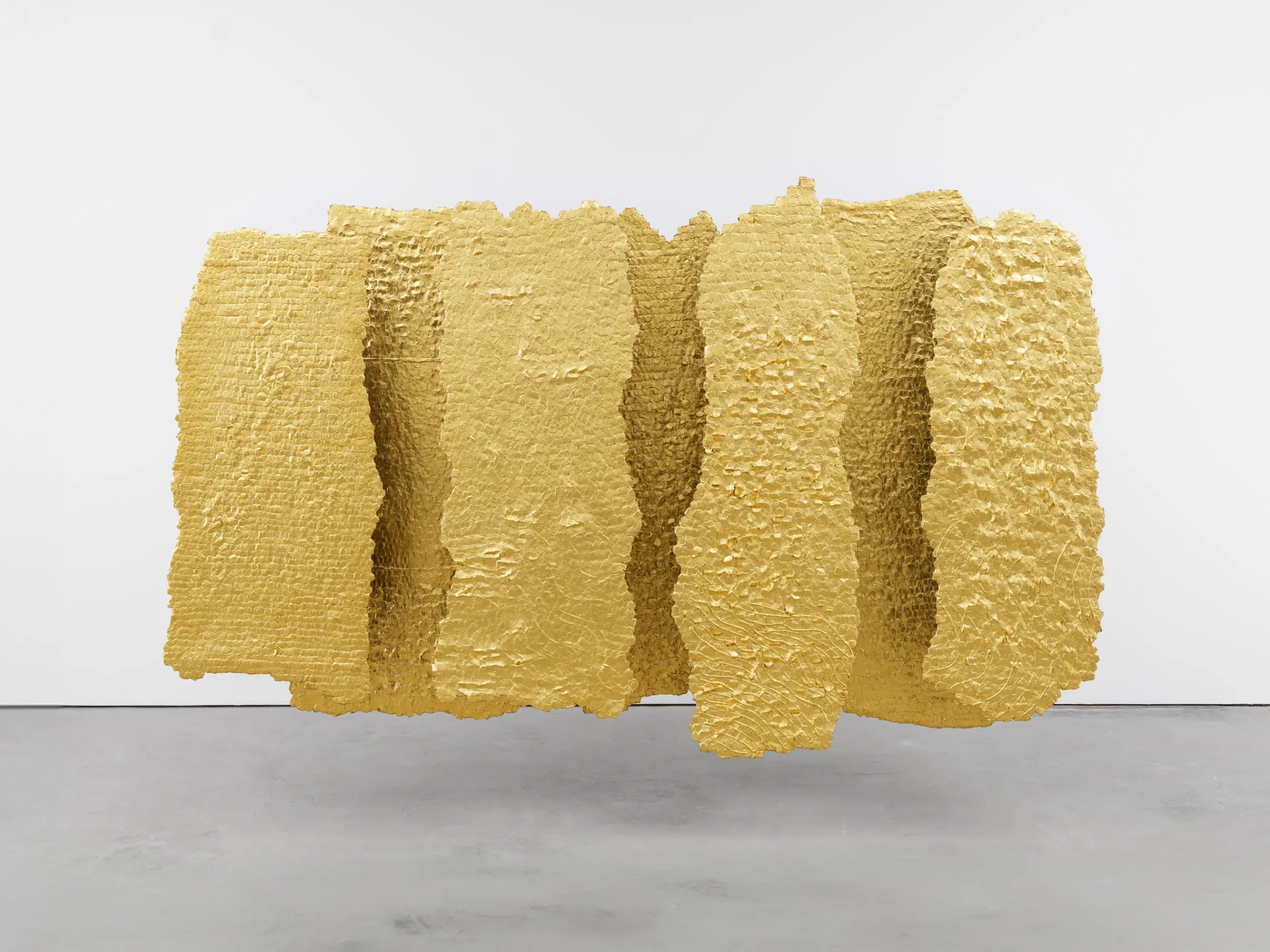
The Wealth Report
We reflect on the past 20 years of the art market, highlight today’s opportunities, and explore the shifting attitudes of new collectors.
23 April 2026
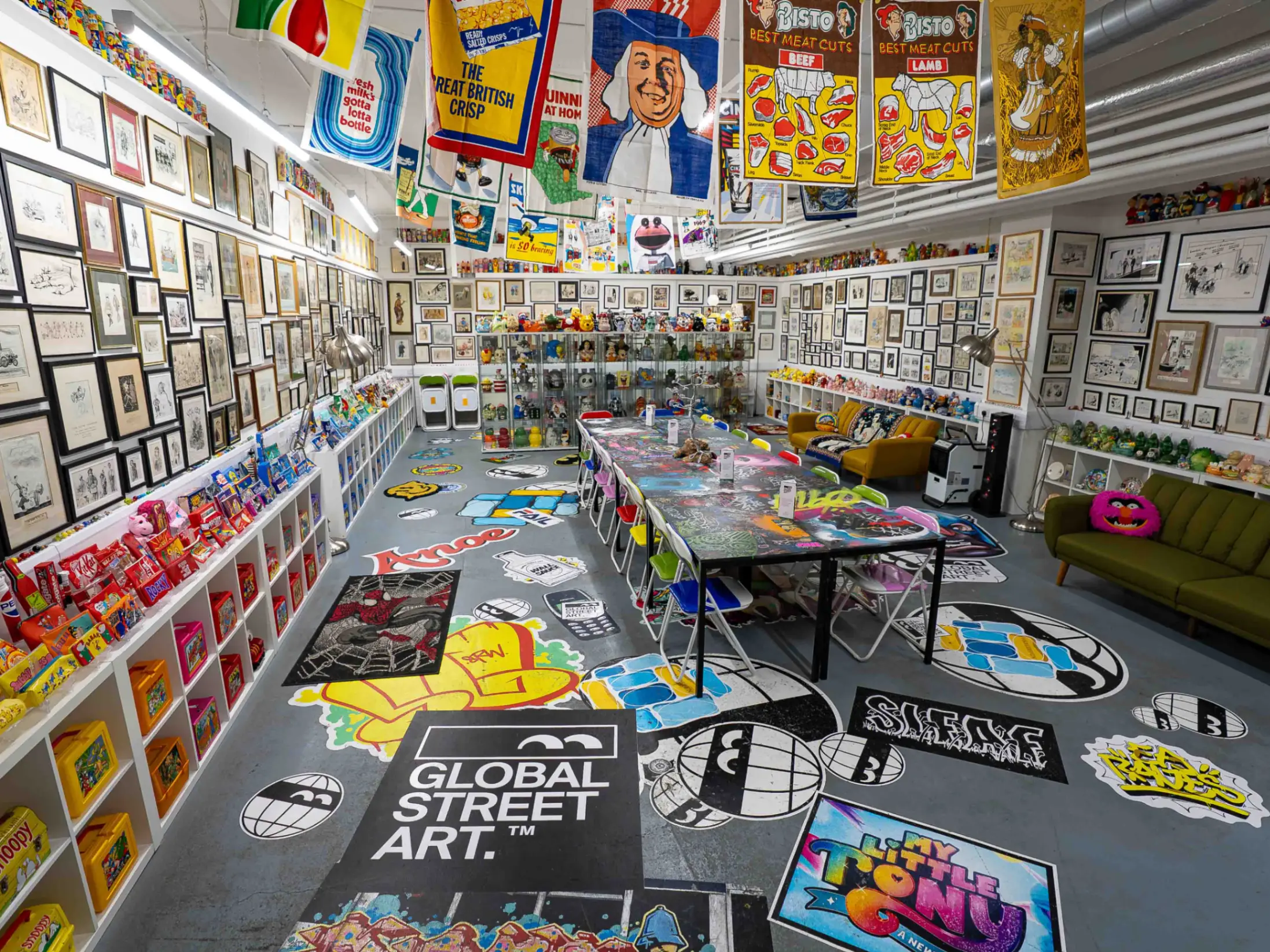
The Wealth Report
Collector and CEO of Global Street Art, Lee Bofkin believes the value of collecting lies not in money, but in taste, knowledge and time.
23 April 2026
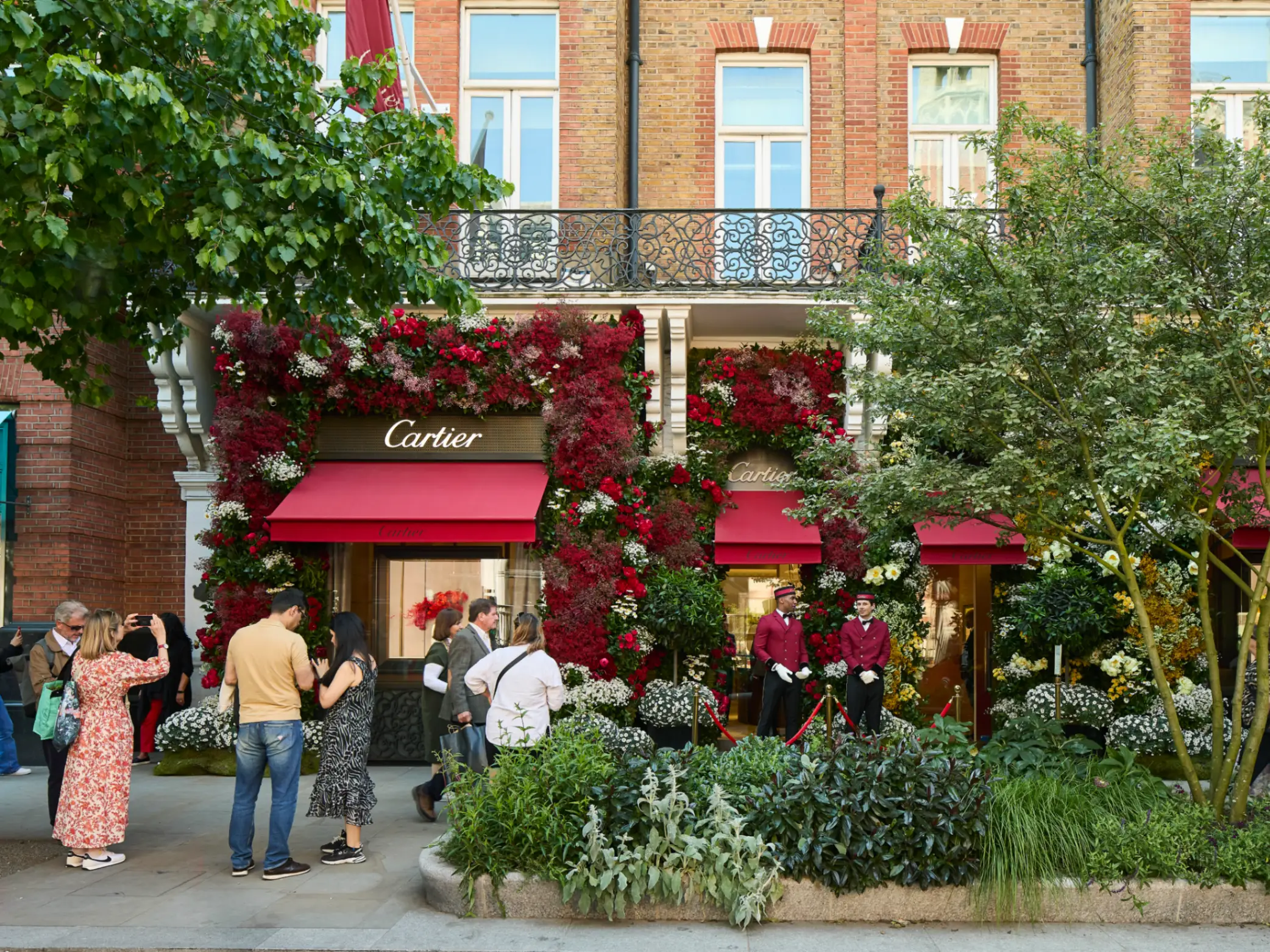
The Wealth Report
Hugh Seaborn, CEO of The Cadogan Estate, measures his plan for London’s Chelsea in generations. We talk to him about his long view approach.
23 April 2026
The Wealth Report
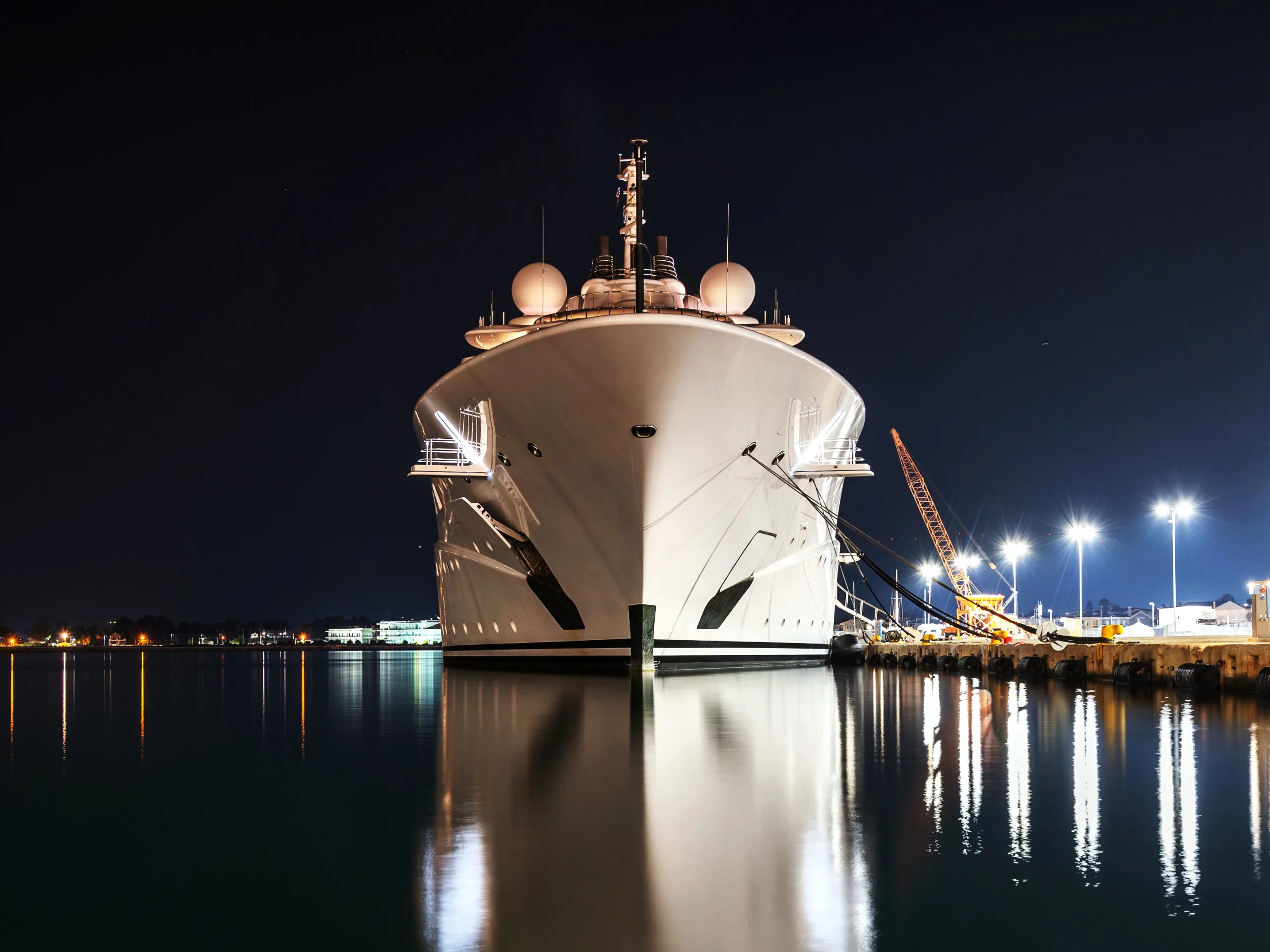
As mobility becomes ever more important to the wealthy, we navigate the latest superyacht and private jet trends.
23 April 2026

The Wealth Report
Luxury isn’t just about what you own – it’s about who you’re becoming. We trace the shifting desires of the world’s wealthiest consumers.
23 April 2026
The Wealth Report
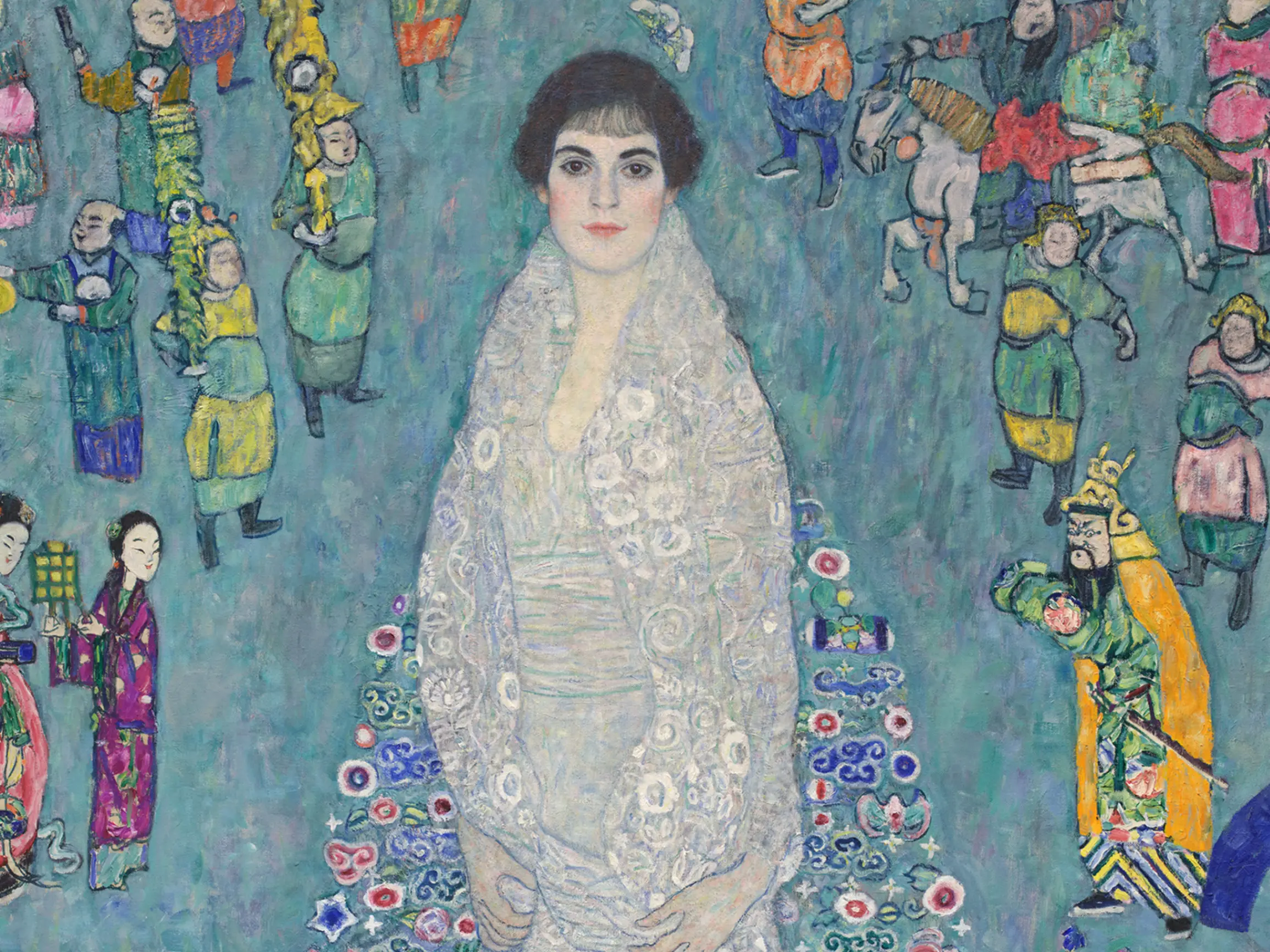
The results of the Knight Frank Luxury Investment Index suggest luxury collectibles are finding their footing again.
23 April 2026

The Wealth Report
We’ve looked at how indulgence is evolving, now we see it in practice with three cases highlighting the shift in luxury spending.
23 April 2026
Sorry!
An unexpected error has occurred.
Please try again later.