London’s Chelsea neighbourhood: a curated collaboration
Hugh Seaborn, CEO of The Cadogan Estate, measures his plan for the Chelsea neighbourhood in generations.

Hugh Seaborn, CEO of The Cadogan Estate, measures his plan for the Chelsea neighbourhood in generations.
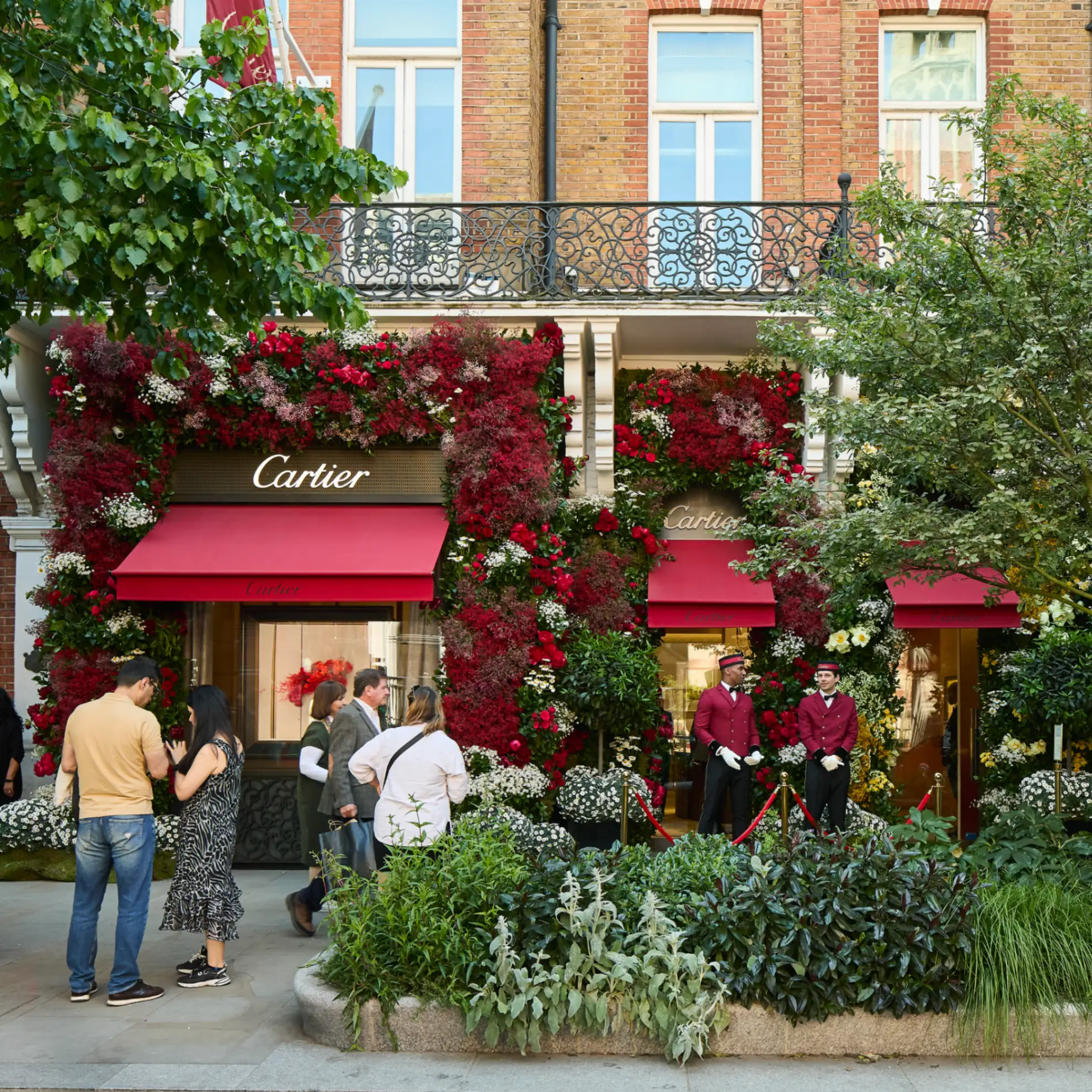
Seaborn sees Cadogan less as a landlord than as a “stage manager”: responsible for setting the scene, curating the cast and making sure the performance holds together over time.
The estate we see today is the result of development and redevelopment throughout the 18th and 19th centuries. The area’s enduring reputation is one of creativity and artistic edge, after a string of cultural icons, from Oscar Wilde to the Rolling Stones, made Chelsea their stamping ground over the years.
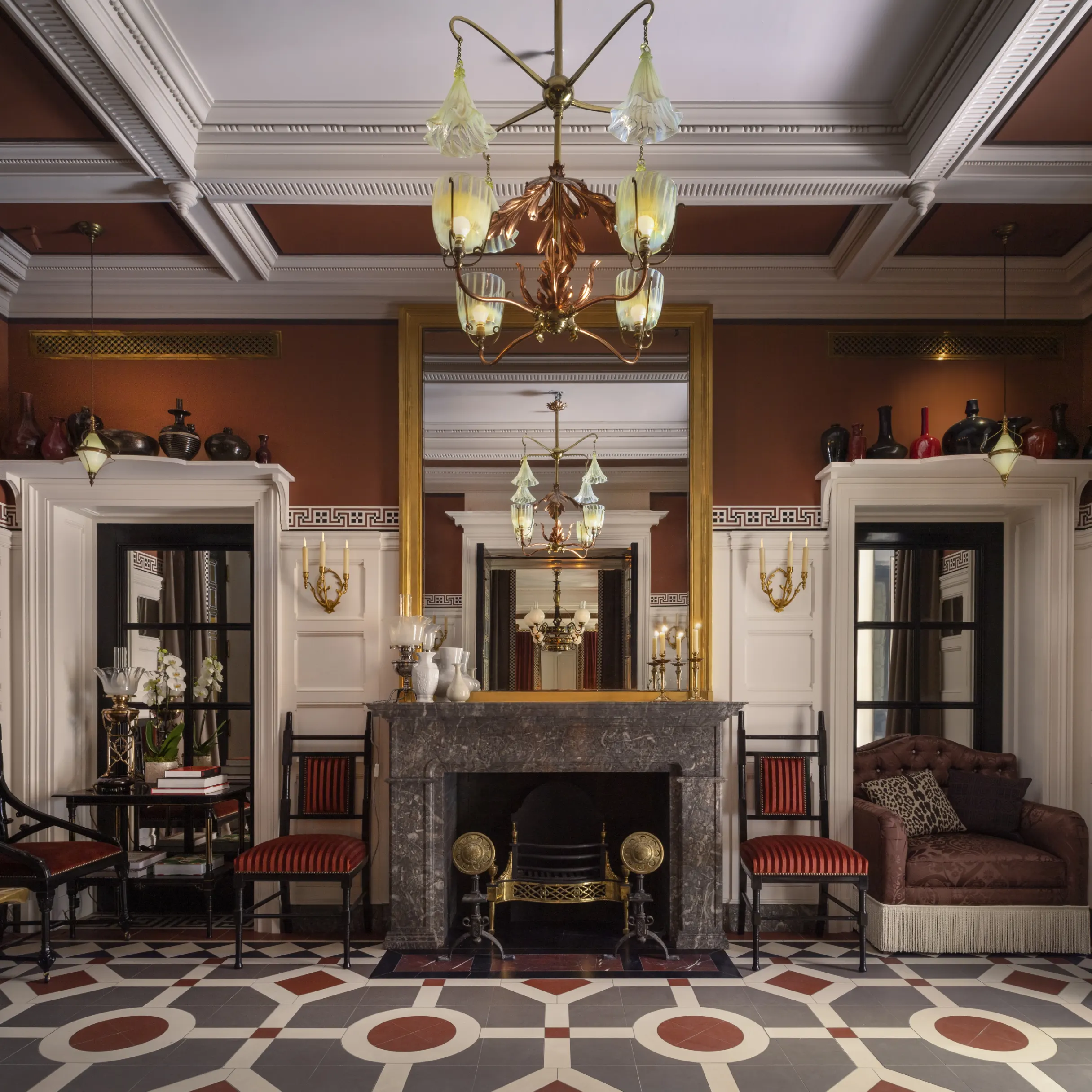
Retail remains the dominant sector at half of the portfolio, but Cadogan continues to address a historical shortage of places to eat and drink.
Since 2020, the number of food and drink locations has increased by 70%. “It isn’t so much about driving rent, it’s about creating greater interest and diversity in the area,” explains Seaborn.
The push for diversity prompted the company to begin bringing in the leases on boutique hotels so it could form partnerships with exciting operators – a system that gave birth to Costes’ At Sloane and The Beaverbrook Townhouse on Sloane Street.
Image: At Sloane
The redevelopment of two large office buildings on Sloane Street in 2016 created a chance to reposition Pavilion Road, the quiet mews they backed onto.
Following a consultation with residents, the company brought in artisan food businesses including a butcher, fishmonger and cheesemonger. “The transactions tend to be low value, but people can go often,” Seaborn says. “The street is bustling.” These local consultations hint at how Seaborn sees the estate’s role in the world: globally relevant, but fundamentally resident-led.
The company has committed to being net zero by 2030, achieved via retrofits, a US$120 million decarbonisation programme, and exceeding minimum energy efficiency standards.
The 2030 deadline is clear, but for most of Seaborn’s ambitions, time is on his side. Central to Cadogan’s approach is a willingness to sacrifice short-term gains in favour of long-term value – guided by the mantra “prosperity over profit”.

Delve deeper into the insights, access our comprehensive databank, and explore future predictions from our team of experts.

The Wealth Report
We reflect on the past 20 years of the art market, highlight today’s opportunities, and explore the shifting attitudes of new collectors.
23 April 2026
The Wealth Report
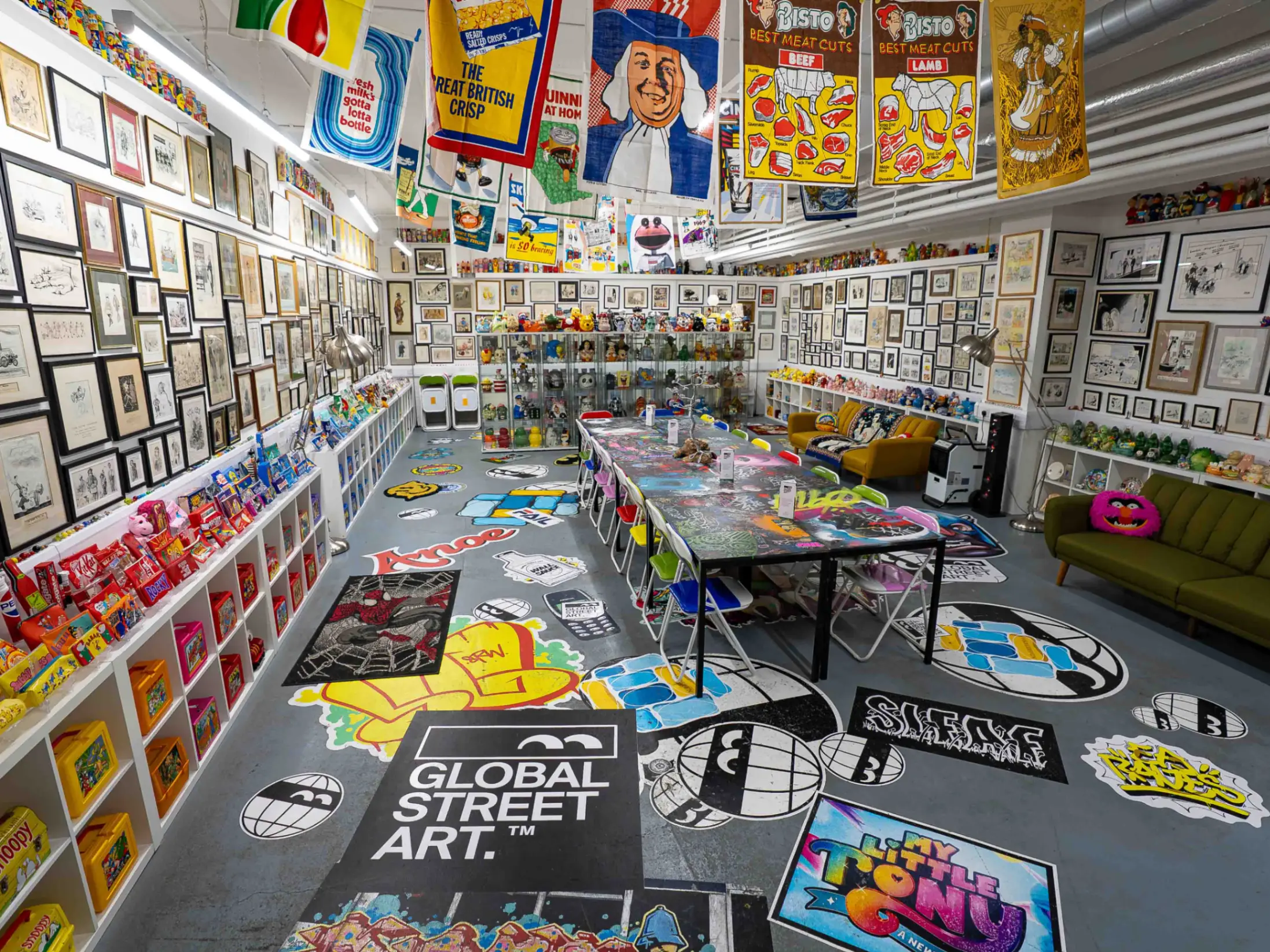
Collector and CEO of Global Street Art, Lee Bofkin believes the value of collecting lies not in money, but in taste, knowledge and time.
23 April 2026
The Wealth Report
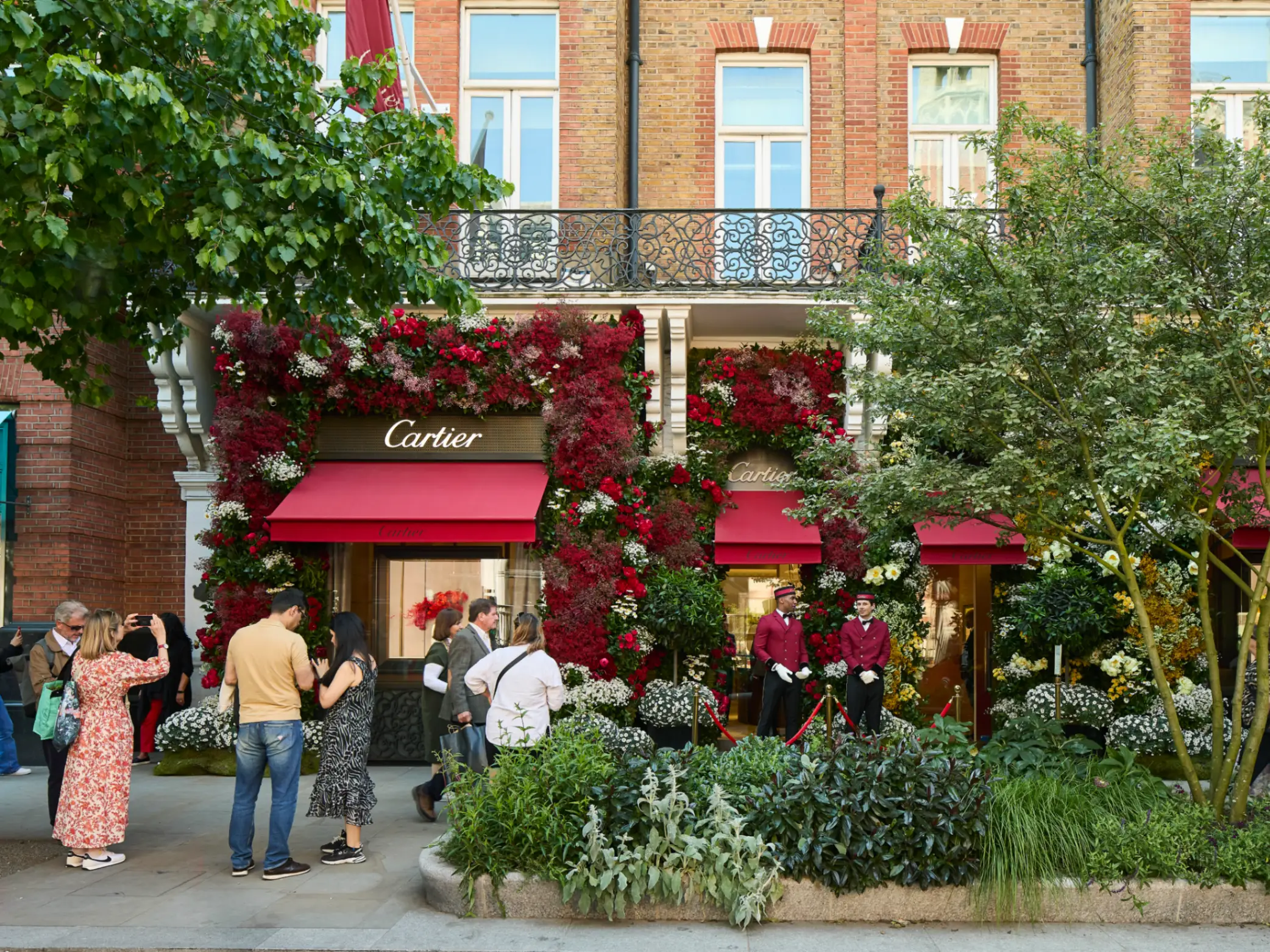
Hugh Seaborn, CEO of The Cadogan Estate, measures his plan for London’s Chelsea in generations. We talk to him about his long view approach.
23 April 2026

The Wealth Report
As mobility becomes ever more important to the wealthy, we navigate the latest superyacht and private jet trends.
23 April 2026

The Wealth Report
Luxury isn’t just about what you own – it’s about who you’re becoming. We trace the shifting desires of the world’s wealthiest consumers.
23 April 2026

The Wealth Report
The results of the Knight Frank Luxury Investment Index suggest luxury collectibles are finding their footing again.
23 April 2026

The Wealth Report
We’ve looked at how indulgence is evolving, now we see it in practice with three cases highlighting the shift in luxury spending.
23 April 2026
Sorry!
An unexpected error has occurred.
Please try again later.