
Our Luxury Investment Index 2026 results: luxury holds steady
Against a volatile backdrop, the results of the Knight Frank Luxury Investment Index (KFLII) suggest luxury collectibles are finding their footing again.
The KFLII closed 2025 down 0.4%, marking a year of stabilisation after two years of losses.
The pace of annual decline slowed through the year, suggesting the market is beginning to steady.
Between 2020 and early 2022, luxury assets recorded their strongest gains since 2013. That surge unwound due to higher interest rates, with 2023 and 2024 marked by declines across most asset classes.
Buyers remain active, but are increasingly disciplined, favouring rarity and value. Moving into 2026, the key question is whether this stabilisation will translate into recovery, or whether a more selective market will persist.
The longer-term picture remains resilient: the KFLII has risen 38.6% over the past decade.
Art: Impressionists make their mark
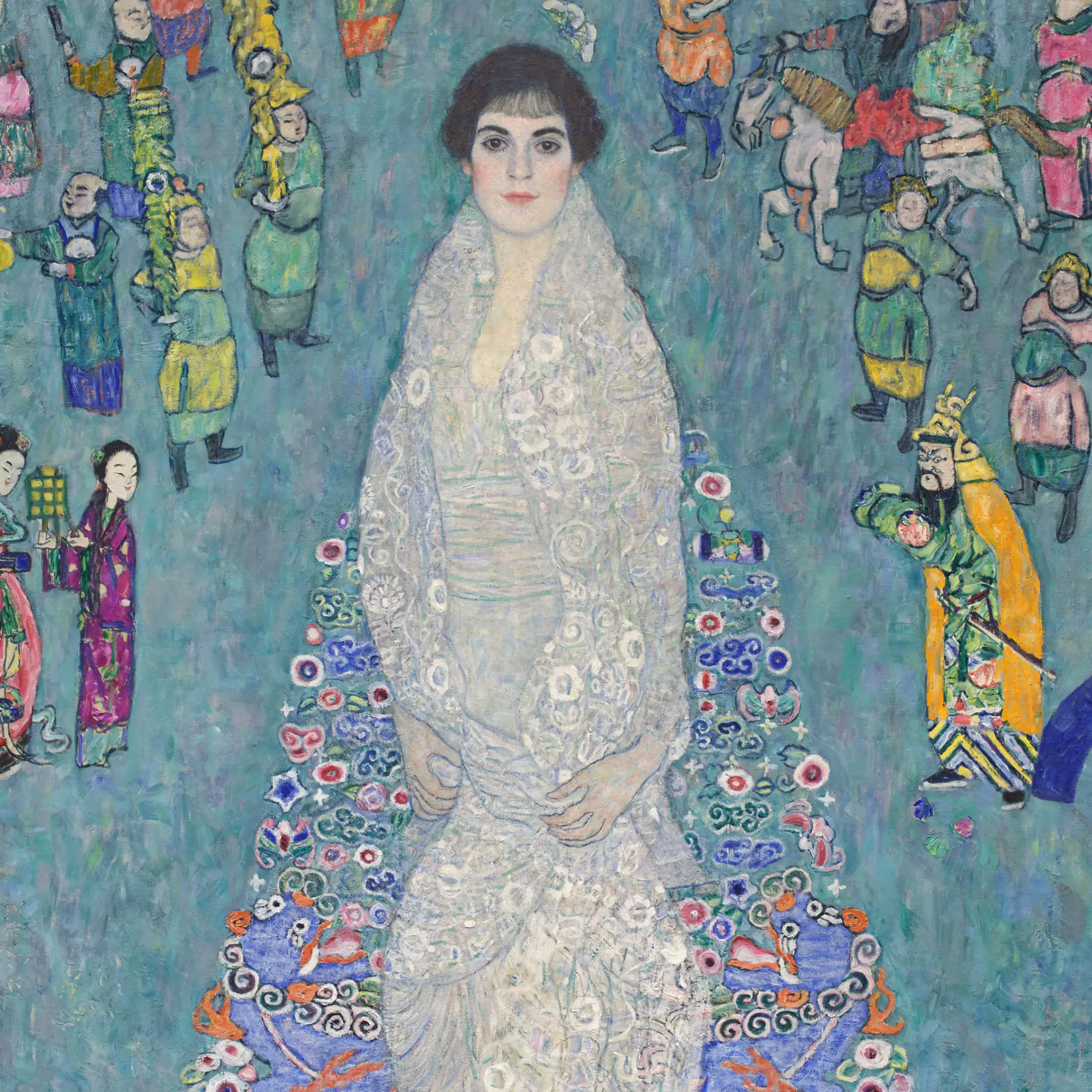
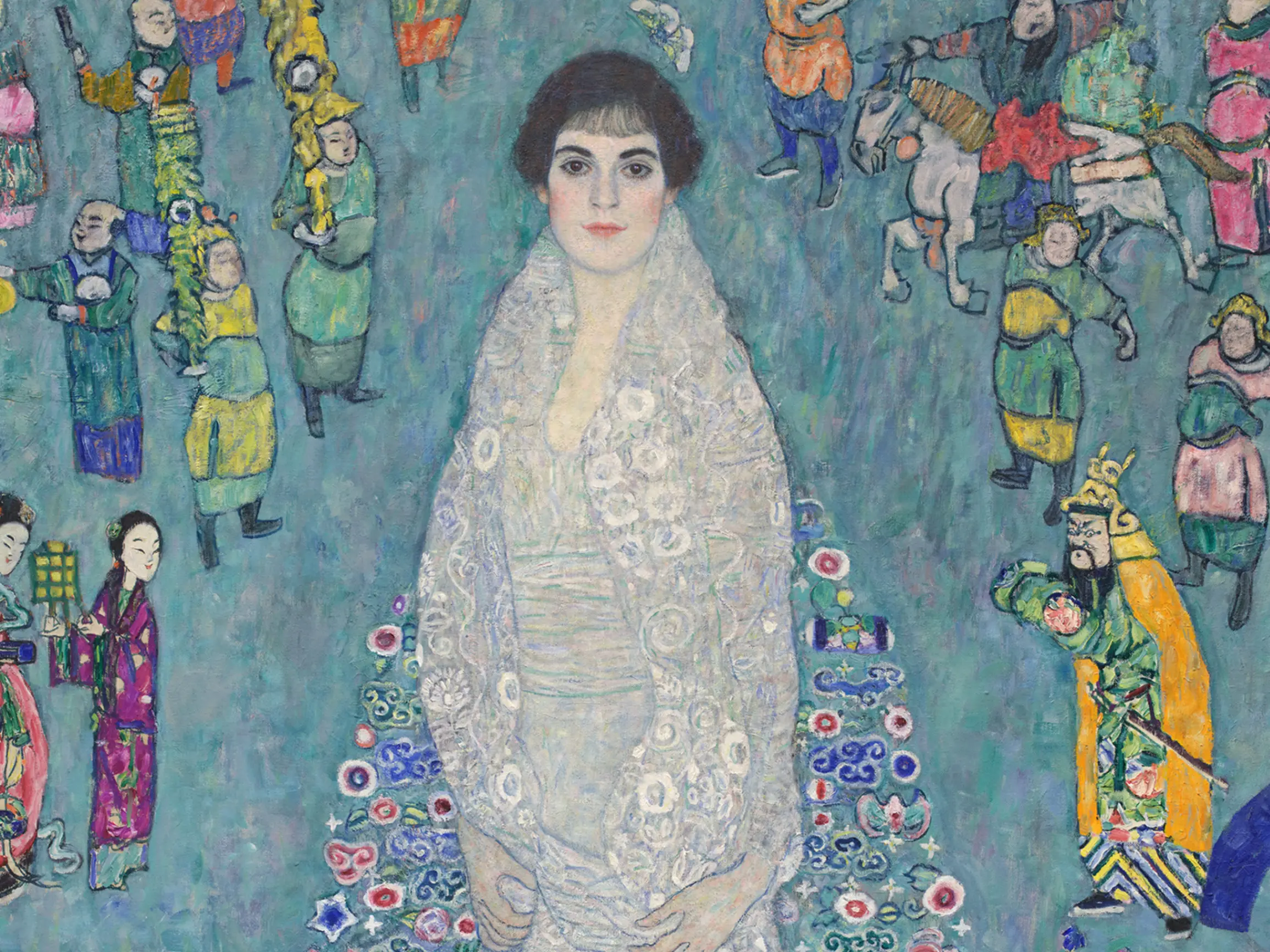
The US$236.4 million sale of Gustav Klimt’s Bildnis Elisabeth Lederer at Sotheby’s in New York in November spearheaded a reversal for the global art market in 2025.
This was just one of a few high-profile sales in 2025, evidence of what ArtTactic founder Anders Petterson calls “a shift in market psychology”, as top-end artwork supply strengthens after years of collectors hedging their bets during the downturn.
After contracting since 2022, combined fine art sales across major auction houses climbed 11% year on year in 2025.
Impressionist sales surged 80.4%, modern art advanced 19.4%, and Old Masters registered a 68.7% uplift. The US$10 million+ segment also saw a lift of 19.4%, signalling renewed momentum. This recovery remains tentative, but evidence of stabilisation and some outperformance points to a stronger 2026.
Fine prints: Hockney’s Spring series outperforms
This year saw a shift towards value-conscious collecting.
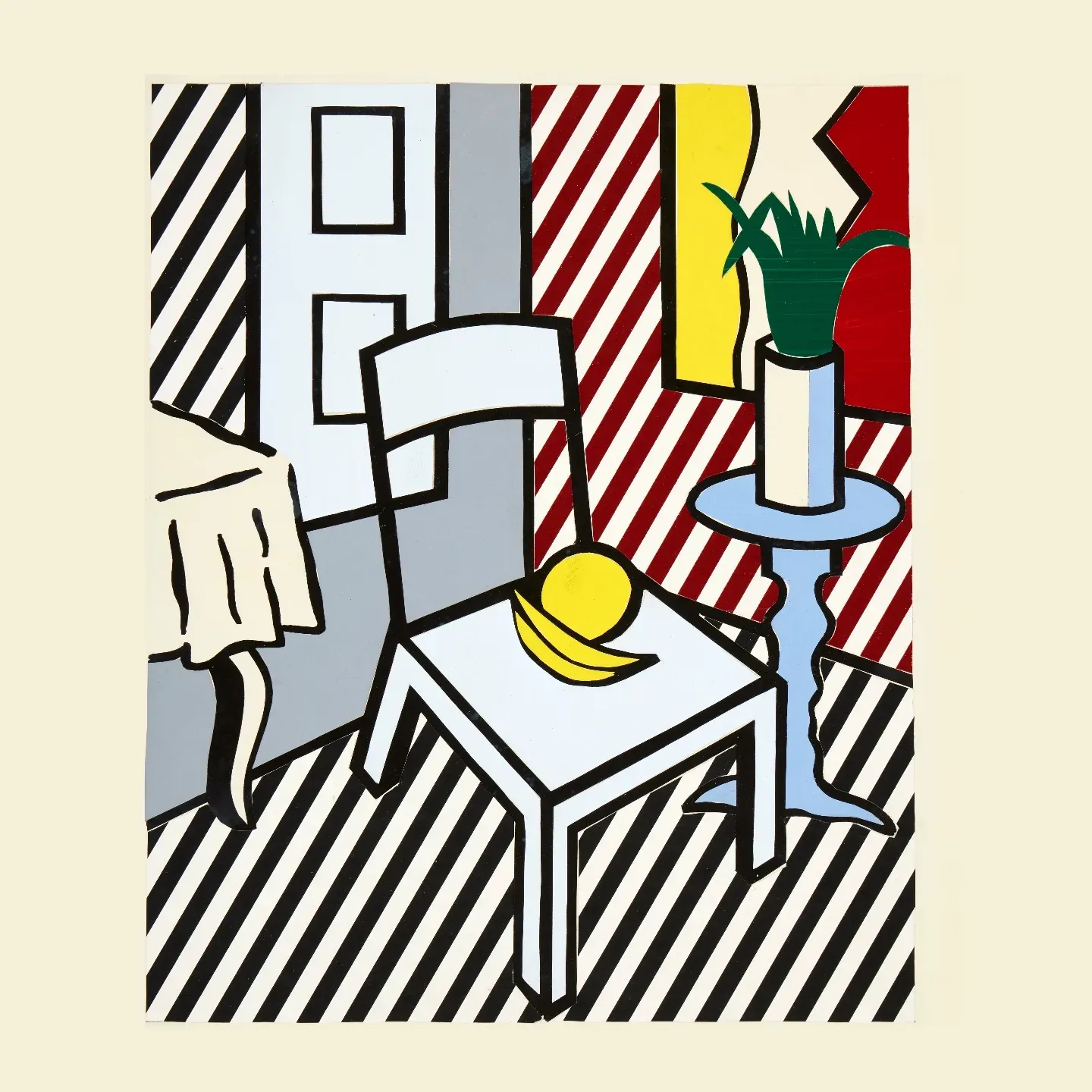
A day sale of works from the Roy and Dorothy Lichtenstein Collection had more intense bidding than for many of the seven-figure paintings in the evening sale, says Sheena Carrington, Market Editor at MyArtBroker. This shows much of the action is in well-curated, competitively priced editions rather than the top end of the market.
The biggest story of 2025 was the sale of David Hockney’s Arrival of Spring series, a collection of iPad drawings, offered by Sotheby’s in October. 17 works sold for a total of US$8.3 million, resetting benchmarks for Hockney prints. In March 2026, a second release of 16 works sold for US$4.7 million, 136% above estimate.
Image: Turning point Roy Lichtenstein’s Hologram Interior (Study) sold for US$215,900 at Sotheby’s, more than twice its high estimate
Classic cars: Monterey creates momentum
California’s Monterey Car Week offered a bright spot during a subdued year for classic cars, as buyers were eager to acquire US-based cars without tariffs.
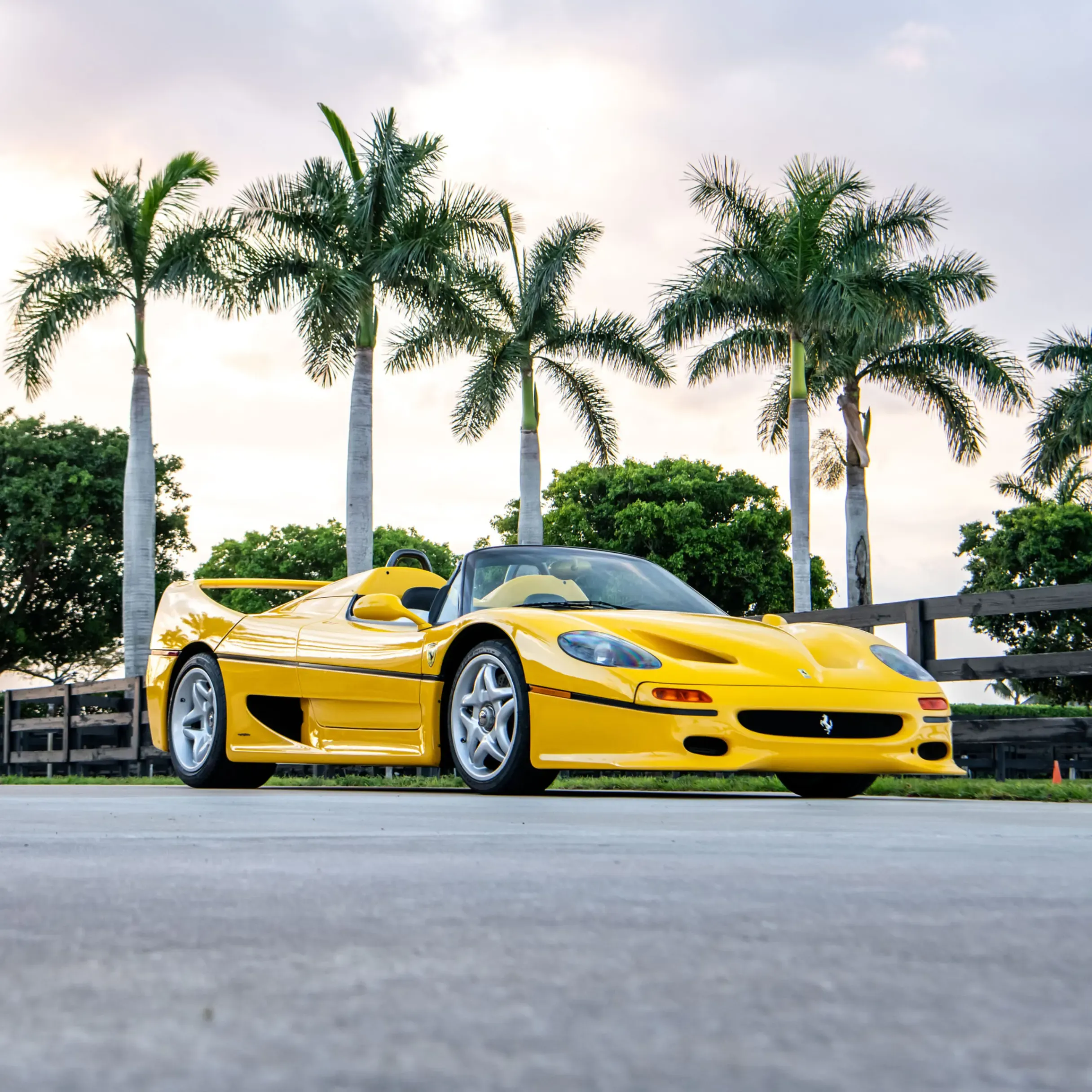
A yellow 1995 Ferrari F50 was among the standouts, achieving US$9.2 million. Other top performers included BMW and Lamborghini. Models popular at the event point to a broader trend – cars from the late 1980s to the early 2000s are now entering collectible territory, often outperforming traditional classics.
The broader outlook remains clouded by tariff uncertainty, but 2026 began with a bang. In January, Mecum’s auction saw big Ferrari sales, while an unrestored 1956 Mercedes Benz 300 SL Gullwing fetched US$5 million by Artcurial in Paris.
Image: Halo effect This 1995 Ferrari F50 was among the stars at Monterey Car Week in August, sold by RM Sotheby’s for US$9.2 million
Watches: strength remains with the icons
The WatchCharts Overall Market climbed 5.1% over the last year.
The dominance of the two largest brands in the secondary watch market masked weakness elsewhere. The Rolex Market Index rose 4.6%, with nearly all models posting solid performances.
Rolex remains the first port of call in the secondary market, a kind of bellwether: when prices begin to stabilise, demand tends to follow.
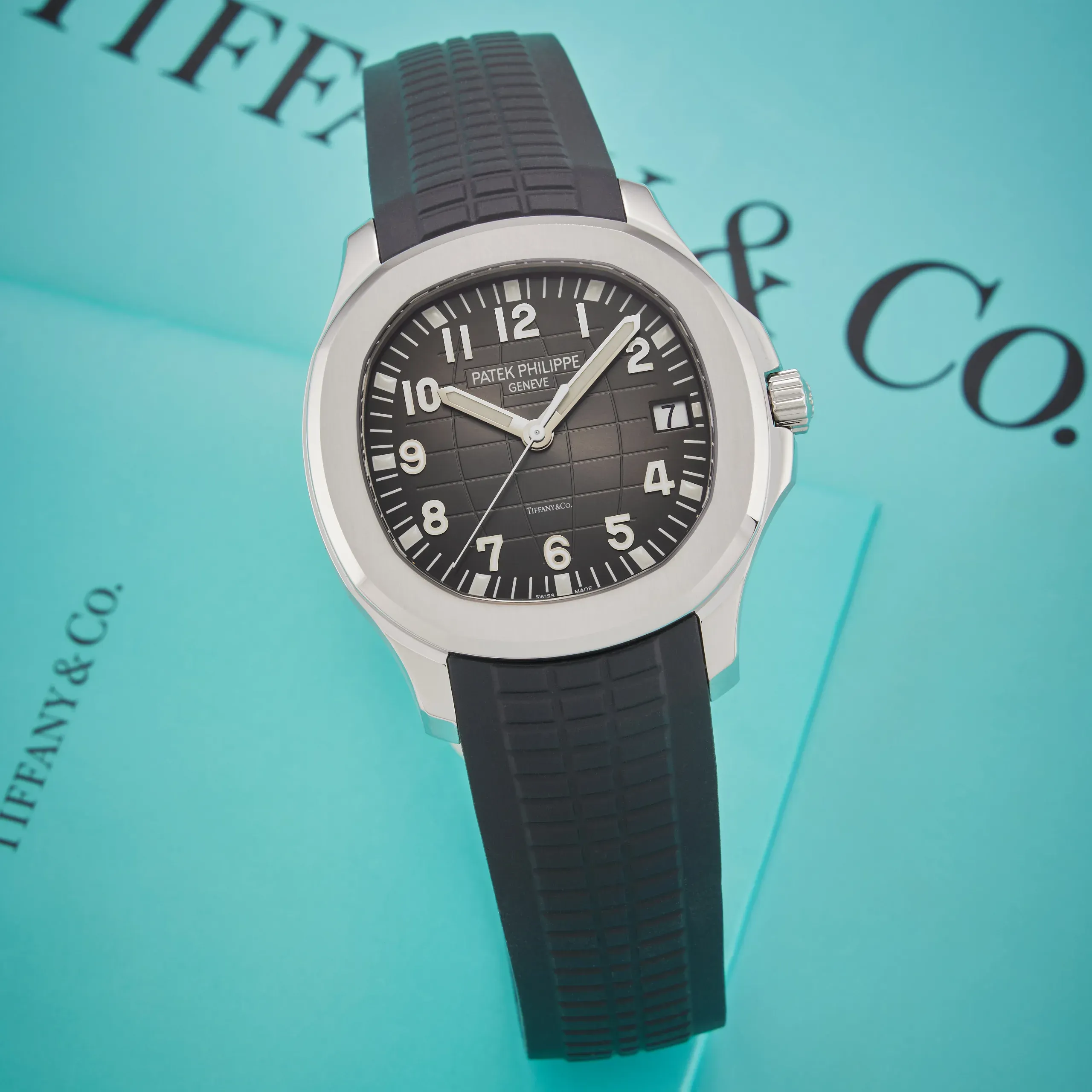
Meanwhile, the Patek Philippe Market Index outpaced Rolex, climbing 12.1% over the same period. The Aquanaut 5167A has been Patek’s star performer, remaining one of the hardest to source due to overwhelming demand.
Image: Ticking over Patek Philippe’s Aquanaut 5167A has proved a resilient performer. This model sold for US$95,250 at Sotheby’s
Wine: Tuscany top as tariffs bite
The Liv-ex Fine Wine 100 Index posted a decline of 2.5% in 2025, with total losses at almost 25% since the 2022 peak.
Tuscan wines continue to prove resilient through the downturn. Many top Tuscan wines boast quality scores on par with Bordeaux and Burgundy vintages, yet trade at around half the price. This increased emphasis on quality and value is progressively shaping global demand.
As demand from Europe and Asia gathers momentum, the outlook for 2026 hinges on whether a shift in US tariffs will revive demand from one of the market’s most influential buyer bases.
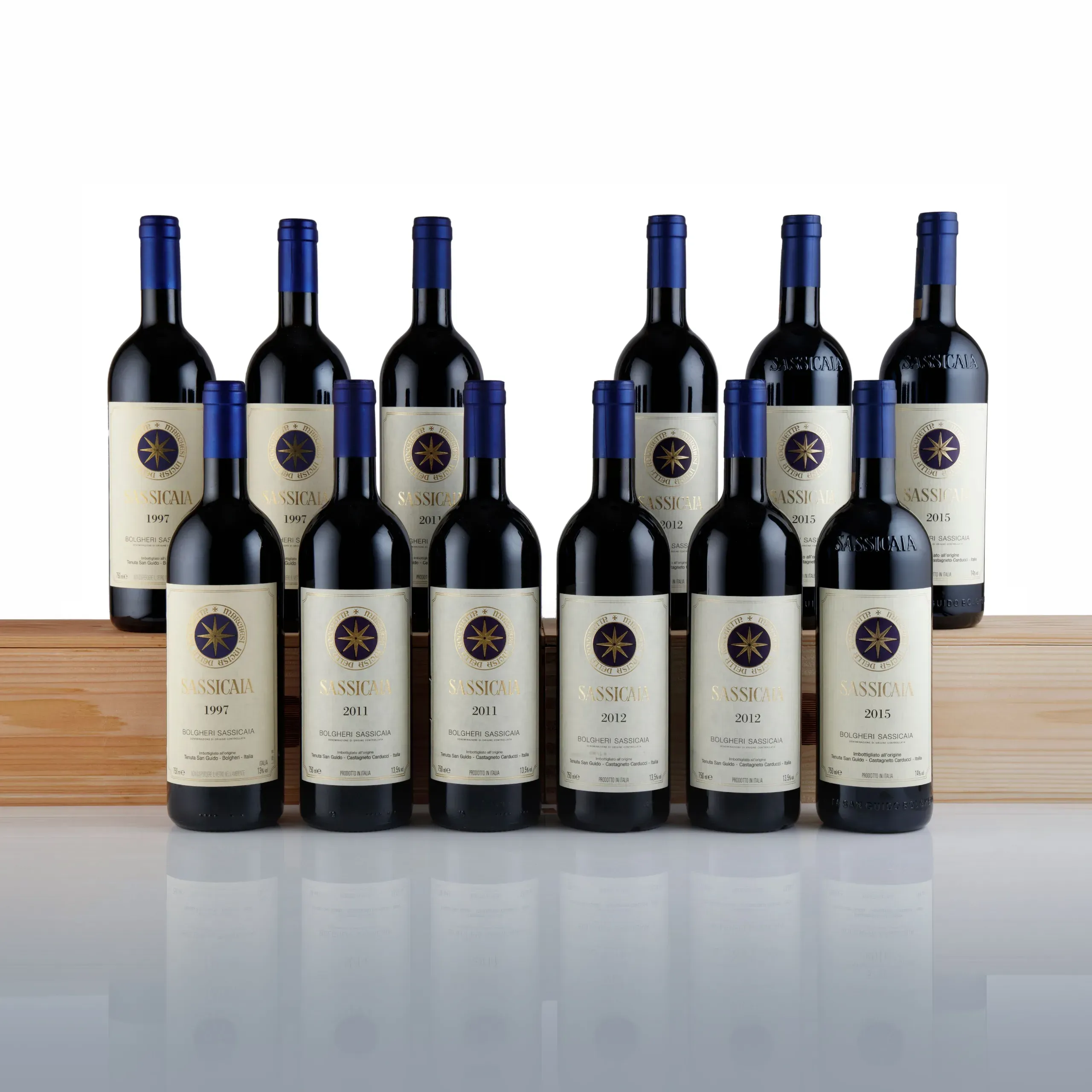
Image: Superstar performer A mixed case of pioneering super-Tuscan Sassicaia from the cellars of landmark London restaurant Locanda Locatelli sold for US$5,000 at Bonhams in October
Diamonds: big wins for brilliant blues
The natural diamond industry faced a challenging 2025 due to the shift towards lab-grown diamonds and continued weakness in Chinese demand.
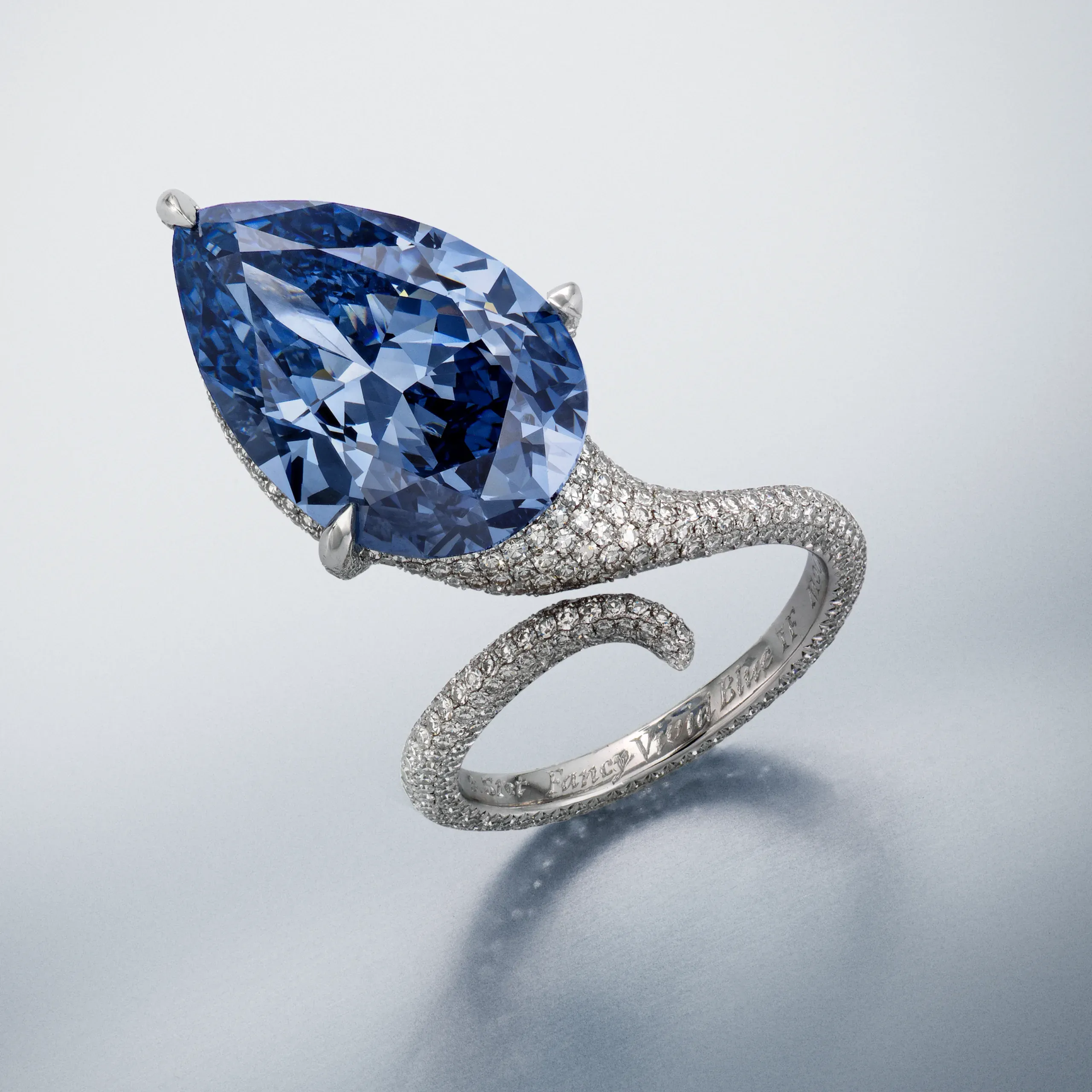
However, fancy colour diamonds (FCDs) – which account for less than 0.1% of global diamond supply – remained relatively stable. Blue stones were the standout performers. The year’s biggest FCD auction sales were the 9.51-carat Mellon Blue sold for US$25.6 million, and the 10.03-carat Mediterranean Blue sold for US$21.5 million.
Roy Safit, Chief Executive of the Fancy Color Research Foundation, says more maisons are entering the colour diamond market as clients seek stones with greater rarity. “People buying fancy colour diamonds are looking for something that holds its value,” he says.
Image: Blue chip The Mellon Blue diamond owned by Bunny Mellon, designer of The White House Rose Garden, sold for US$25.6 million at Christie’s in November
Bags: Beater Birkins in demand
Despite sector turbulence, Hermès’ iconic Birkin and Kelly bags have retained their pricing power, down only marginally at -0.2% over 2025.
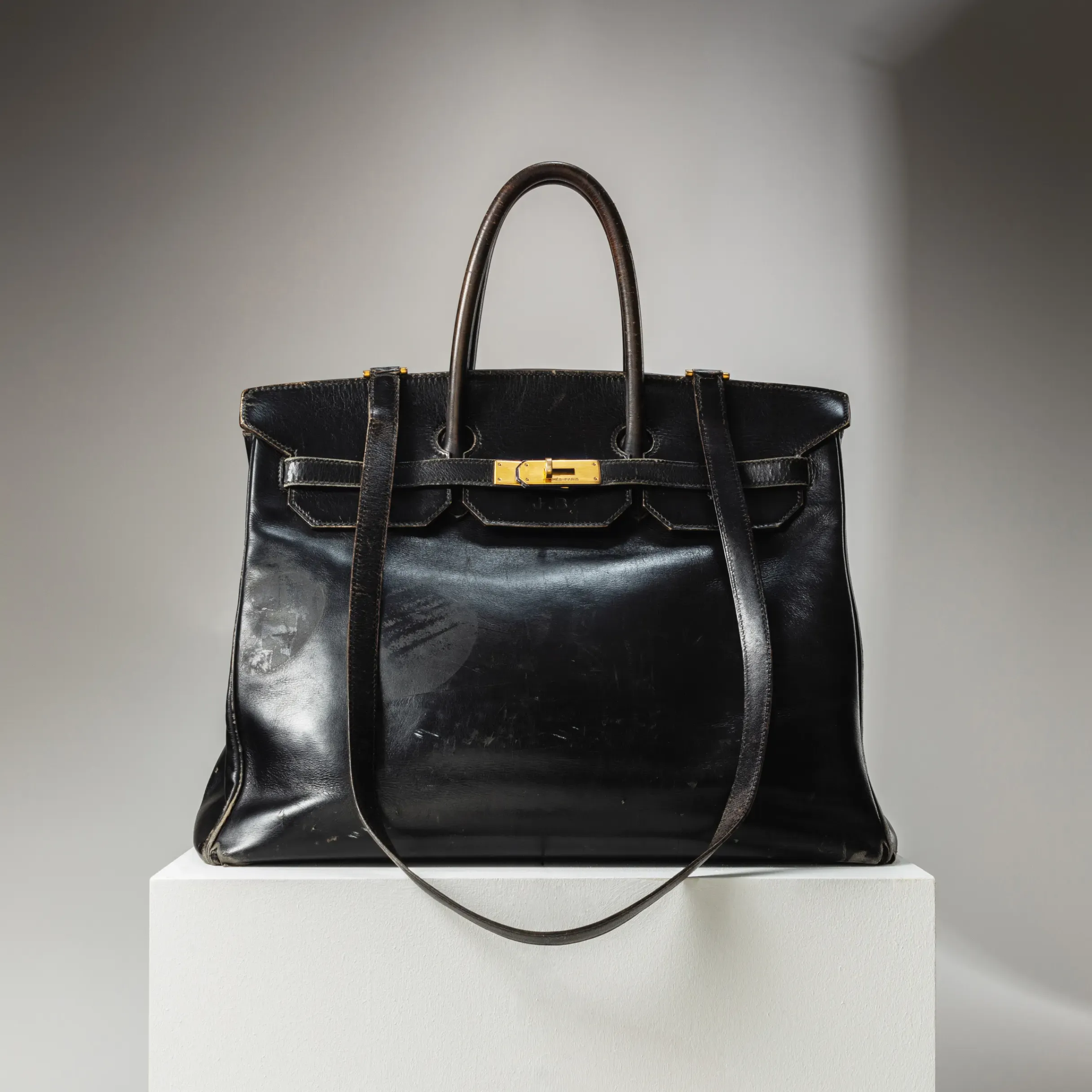
Yet demand is rotating toward pre-owned, visibly worn pieces – so-called beater bags, prized for their authentic patina and relative accessibility. The most active segment now sits in the US$6,000–US$9,000 range, driven by younger buyers and Gen Z collectors, according to luxury alternative asset manager, LUXUS.
Resale platforms and auction houses are increasingly being asked to source at this level, reflecting nostalgia and a preference for bags that can be used rather than preserved.
Image: Beatnik style A loveworn Hermès Birkin owned by model and actress Jane Birkin sold for a record-breaking US$10.1 million at Sotheby’s Paris

Read The Wealth Report in full
Delve deeper into the insights, access our comprehensive databank, and explore future predictions from our team of experts.
More articles in Luxury
The Wealth Report
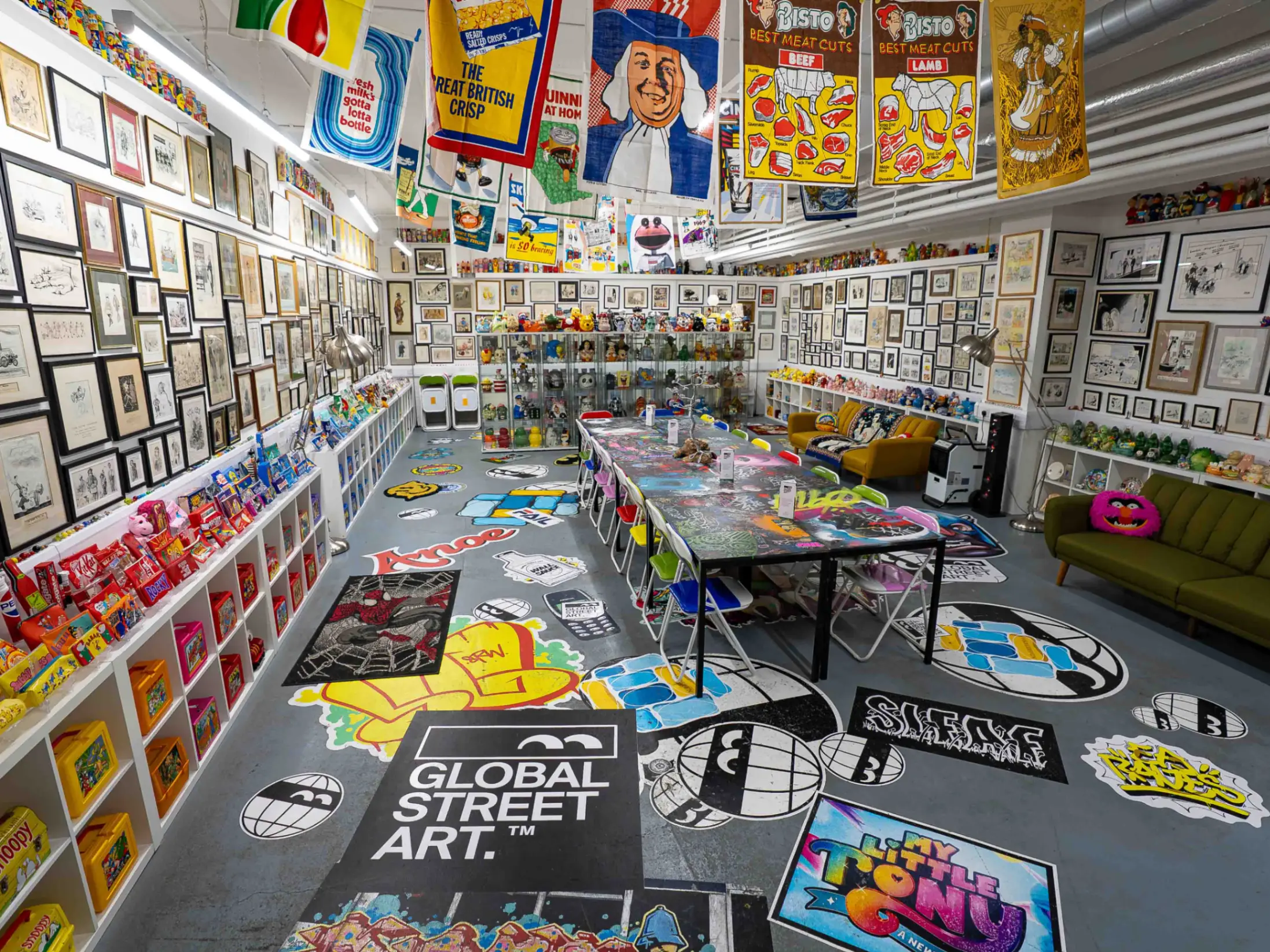
After the gold rush: today’s art market in focus
We reflect on the past 20 years of the art market, highlight today’s opportunities, and explore the shifting attitudes of new collectors.
23 April 2026
The Wealth Report
Conspicuous taste: the art of collecting
Collector and CEO of Global Street Art, Lee Bofkin believes the value of collecting lies not in money, but in taste, knowledge and time.
23 April 2026
The Wealth Report
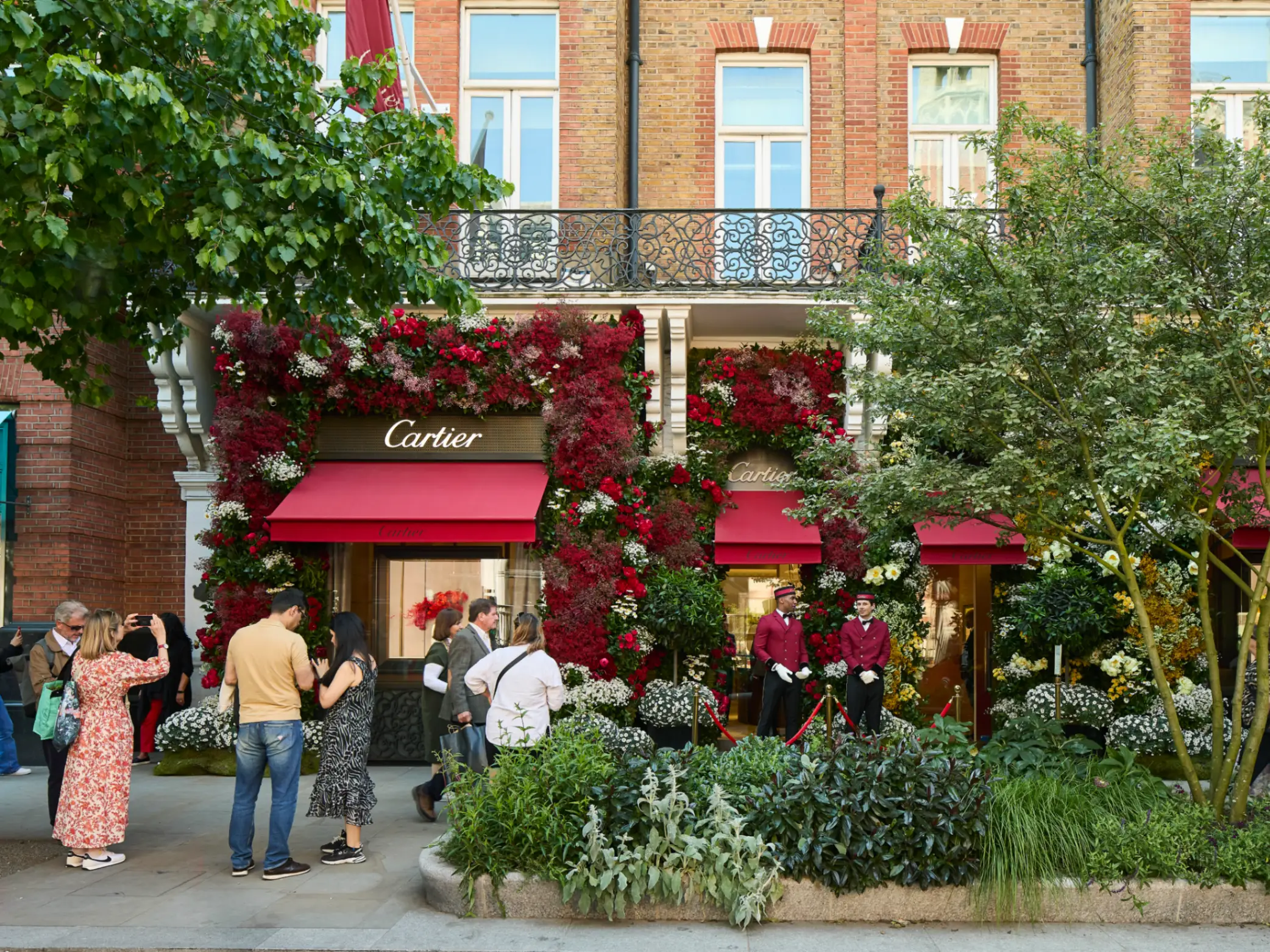
London’s Chelsea neighbourhood: a curated collaboration
Hugh Seaborn, CEO of The Cadogan Estate, measures his plan for London’s Chelsea in generations. We talk to him about his long view approach.
23 April 2026
The Wealth Report
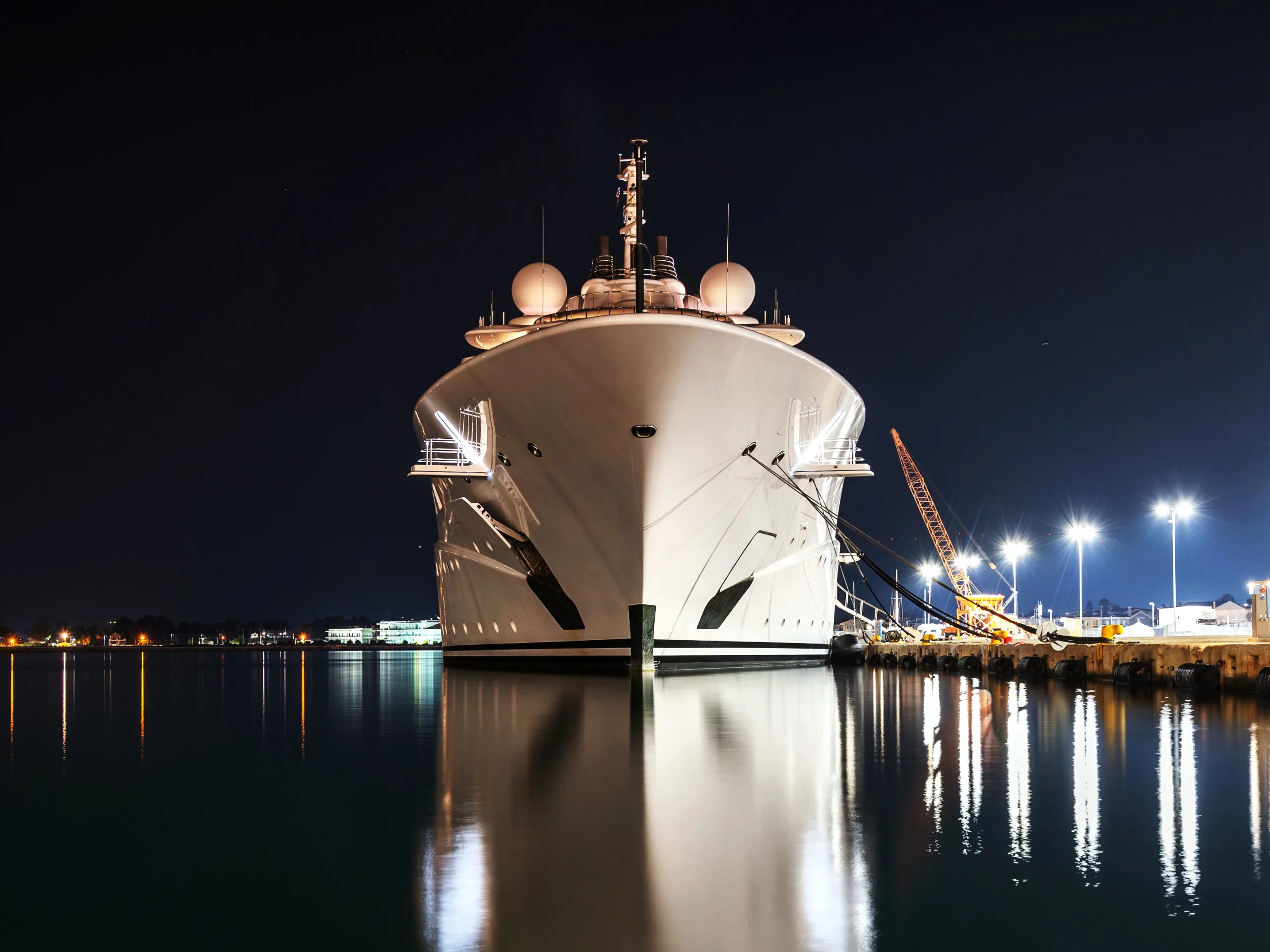
Superyachts and private jets: the upward mobility of the wealthy
As mobility becomes ever more important to the wealthy, we navigate the latest superyacht and private jet trends.
23 April 2026

The Wealth Report
The evolution of indulgence: a new look at luxury spending
Luxury isn’t just about what you own – it’s about who you’re becoming. We trace the shifting desires of the world’s wealthiest consumers.
23 April 2026
The Wealth Report
The Knight Frank Luxury Investment Index: luxury holds steady
The results of the Knight Frank Luxury Investment Index suggest luxury collectibles are finding their footing again.
23 April 2026

The Wealth Report
The transformation economy: what does shifting luxury spending look like?
We’ve looked at how indulgence is evolving, now we see it in practice with three cases highlighting the shift in luxury spending.
23 April 2026