London learns to share the spotlight
First published in the 2007 launch edition, we’re revisiting our Wealth Report predictions 20 years on.

First published in the 2007 launch edition, we’re revisiting our Wealth Report predictions 20 years on.

A mix of pre-financial crisis confidence, free-flowing capital, and light-touch regulation led the 2007 edition of The Wealth Report to describe London as the “de facto capital of the new plutonomy”.
The first stress test for London was the 2008 financial crisis, followed by Brexit, the pandemic, and a prolonged period of political instability. Each episode sparked predictions of decline that ultimately proved unfounded, but the city has had to shift to make space for emerging competitors.

The prevailing anxiety about London’s role in the world has crept up slowly.
Fluctuating taxes and the rise of low-tax competitors have contributed, and changes to the non-dom regime prompted a flurry of high-profile wealthy individuals to announce they were relocating.
But Professor Tony Travers of the Department of Government at the London School of Economics remains sanguine about the city’s role, saying “predictions of decline go well beyond any rational interpretation of change.”

London now needs a period of stability to preserve its advantages.
Travers argues the risk of continued political and fiscal uncertainty slowly erode confidence. “You do not want a perception that your tax system is always just about to be reformed in a way that makes it even less attractive than it is already,” he says.
Globally, sales of homes worth US$10 million+ are rising, but London is moving backwards, Knight Frank data shows. However, while fewer people are buying, owners aren’t selling in large numbers either.
Wealthy Londoners who do leave often find the grass isn’t always greener.
The UAE, Italy and Switzerland may now be stiffer competition, but there’s a sense that none yet offer the same breadth of opportunity, institutions, and culture. Neither is the UK unique in asking the wealthy to pay more post-pandemic, nor is London alone in its left-leaning governance.
Ultimately, there has been a thinning of demand rather than an exodus. Alasdair Pritchard, a partner in Knight Frank’s Private Office, confirms: “London’s had competition for the last five years, but the non-dom moment... pushed some people who were on the margin to leave. But they’re not selling their houses. That’s the point.”
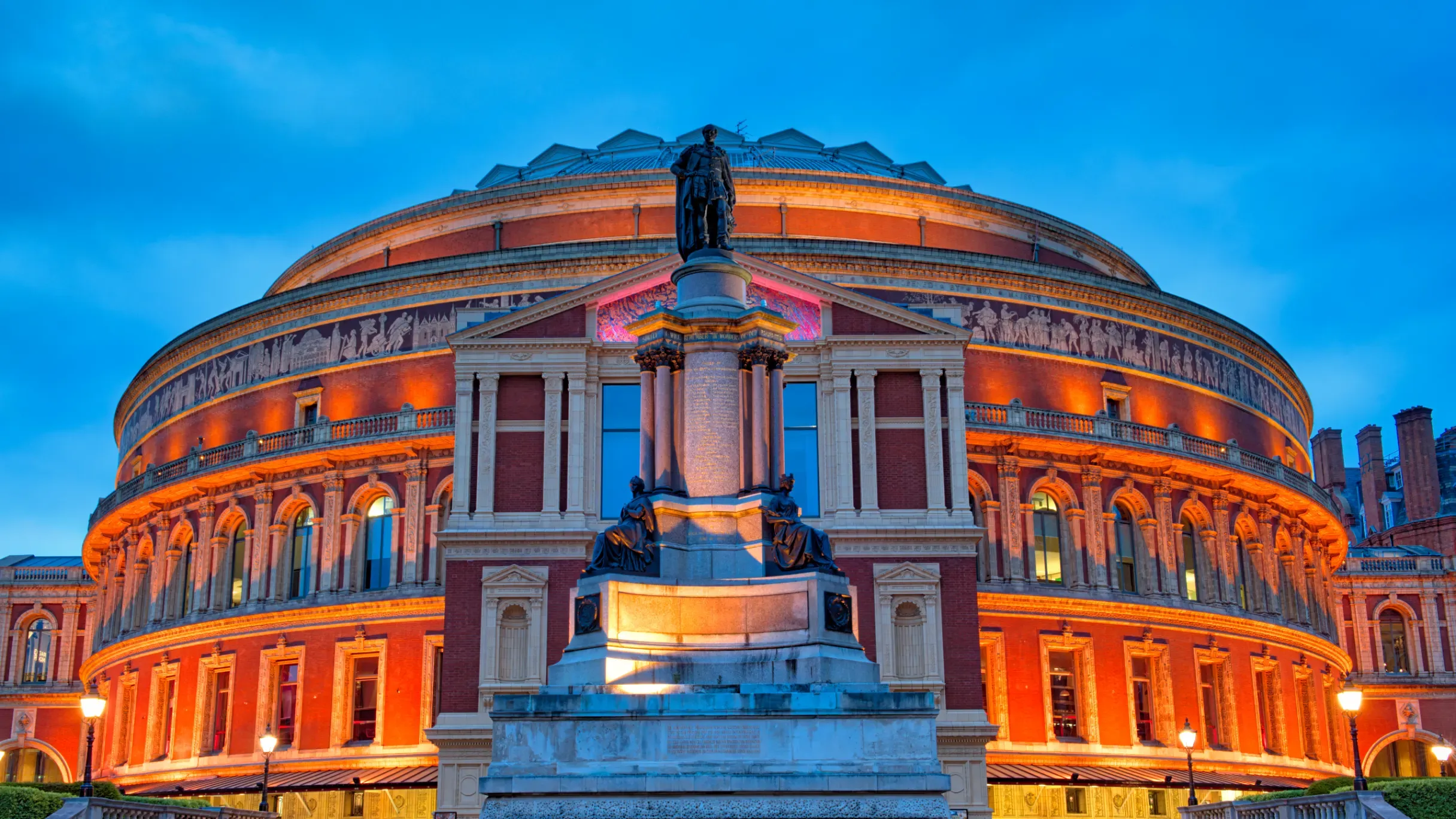
Image: London’s cultural scene exerts a powerful draw

Delve deeper into the insights, access our comprehensive databank, and explore future predictions from our team of experts.

The Wealth Report
Tax has long been a factor driving the mobility of the rich. But havens are still facing stiff competition from traditional wealth hubs.
23 April 2026

The Wealth Report
London wrote the script for an era of global plutonomy. Now it’s having to learn to share the spotlight.
23 April 2026

The Wealth Report
Our latest Family Office Survey reveals shifting strategies, rising ambitions, and the forces reshaping this dynamic financial sector.
23 April 2026

The Wealth Report
Two decades on from the first edition of The Wealth Report, we revisit our prediction that plutonomy would reshape global markets.
23 April 2026
The Wealth Report
Explore the headline figures from our extended Wealth Sizing Model, providing a comprehensive view of fast-changing global wealth dynamics.
23 April 2026
Sorry!
An unexpected error has occurred.
Please try again later.