The world in motion: why global prime residential markets are diverging
From New York to Singapore, why the well-known mantra of location, location, location is more important than ever when investing in the world’s prime markets


From New York to Singapore, why the well-known mantra of location, location, location is more important than ever when investing in the world’s prime markets

The Wealth Report 2026 tells the story. Of the 100 markets tracked by Knight Frank’s Prime International Index (PIRI 100) for the past 20 years, 73 saw price increases in 2025. In a trend that began in early 2023, overall global luxury residential prices continued to outperform mainstream global house prices, rising by 3.2% last year. That figure however, hides marked regional variations across traditional prime benchmark cities, a result of factors including geopolitical forces, tax and economic policies, individual imbalances between supply and demand and an ever more mobile community of affluent buyers.
What does the resulting effect of these changes reveal about differing cross-border wealth flows in the world’s major cities?
Ultimately, says Alasdair Pritchard, Partner in Knight Frank’s Private Office team, the global premium today isn’t based just on geography but on friction-free, immediate luxury. “Across the global super-prime marketplace, we are witnessing a structural evolution, underpinned by a 3.2% average rise in luxury residential prices last year,” Pritchard outlines. “For today’s ultra-mobile elite, presence is rapidly replacing permanent residence, and that is fundamentally rewiring inventory and demand.”

The availability of the highest-quality turnkey homes in New York is remarkably low, helping the city to defy fears of potential wealth and property taxes threatened by Mayor Mamdani. So while the city saw only a 0.8% price increase in 2025, the full story is more complex.
“In the US, New York is aggressively defying wealth tax rhetoric with the Upper East Side experiencing record-breaking transaction speeds, constrained only by a chronic shortage of top-tier, turnkey inventory,” Pritchard says. “Miami has firmly shed its resort-town reputation to become a bona fide wealth and tech hub. The city absorbed a massive US$3 billion in super-prime sales last year, with South Beach ultra-prime breaching the unprecedented US$5,000 per square foot threshold.”
Differing fiscal policies across Europe are seeing markets there diverge and many markets are currently in transition, with Italy in particular acting as a powerful tax-led magnet. The country’s €300,000 flat-tax regime has triggered deep supply shortages in Milan and is actively pushing capital into Rome and Lake Como.
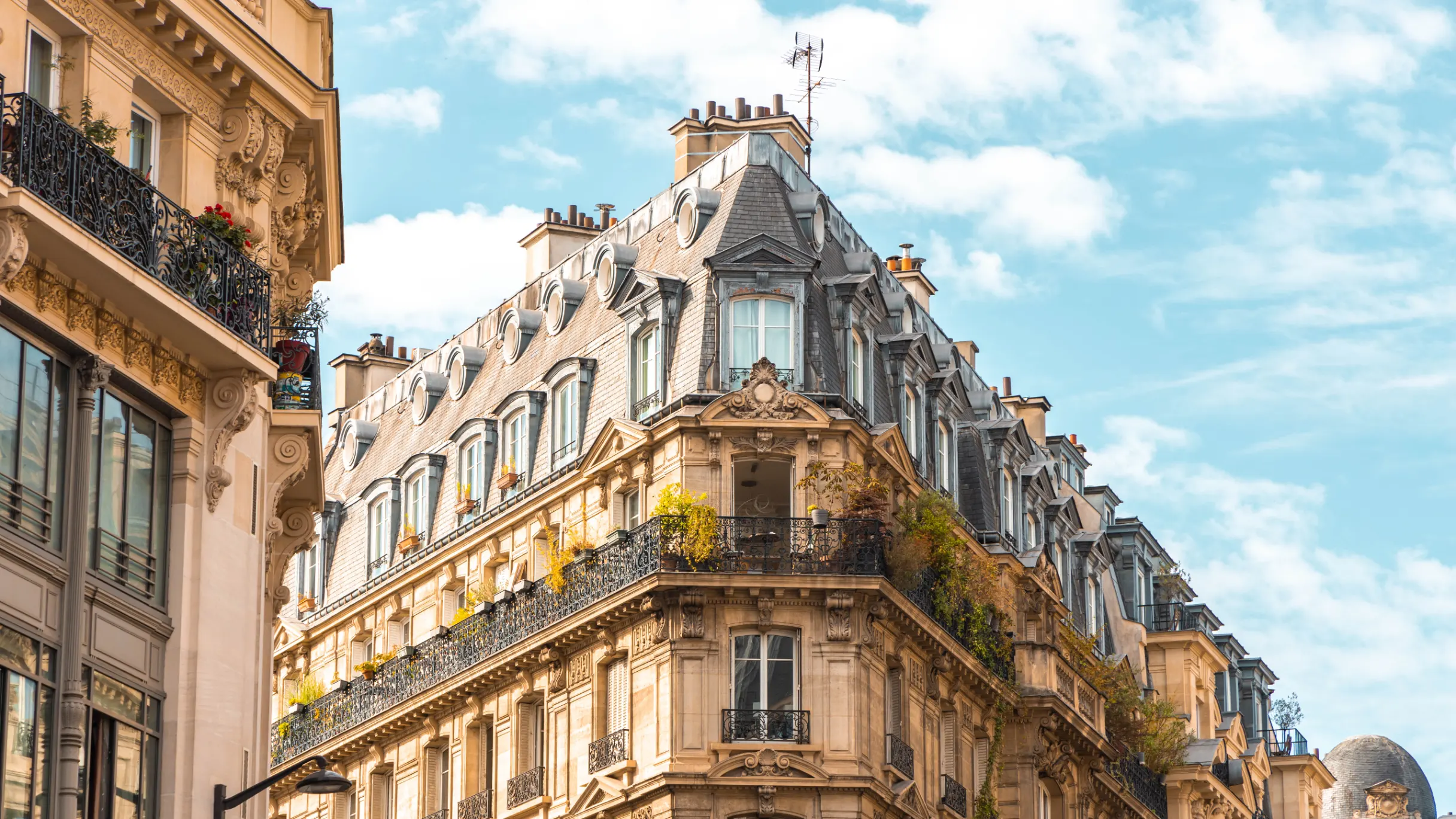
In France, Paris remains firmly at the heart of the global ultra-mobile lifestyle, one of the continent’s most iconic wealth hubs, says Alison Ashby, Head of Prime Residential Paris for Knight Frank.
“Despite a shifting political landscape and ongoing debates around wealth taxes, the Parisian luxury market is demonstrating remarkable resilience and attracting serious global capital,” she says. “On the residential front, prime property values held their ground, with American buyers a key factor in this steady performance.”
While Paris saw positive prime price growth of 1.3% in 2025, London saw values adjusted downwards by 4.7%, another example of how global prime markets no longer move in synch. Shifts in tax rules for wealthy residents are pushing budgets lower and encouraging some to consider renting rather than buying, but the capital is not emptying out says Pritchard: “It is transitioning into the ultimate ‘dip-in, dip-out’ city. We are seeing a distinct strategic pivot. Buyers are shifting away from massive trophy homes towards highly managed US$15 million turnkey boltholes, while super-prime rental values have surged 53% over the past five years to accommodate this ultimate flexibility.”

In Asia-Pacific too, the average growth of 3.6% over 2025 reveals sharply diverging city markets when looked at through the comparative lens of the PIRI 100.
Values in Hong Kong slipped back in 2025, falling 2.1%, yet the city is seeing one of the strongest upticks in super-prime sales, coming second only to Dubai in 2025 for transactions of US$10 million+ in Q4, with a total of 81.
“Momentum is being driven by a resurgent IPO market, inflows of mainland China wealth, the introduction of a new talent visa scheme and a deliberate push to reduce friction for family offices,” says Ho-Pin Tung, Knight Frank’s Head of Private Office based in Hong Kong. “This has created a genuine buyer’s market, a capital-growth opportunity where informed advice and on-the-ground intelligence are critical.”
In a position it has maintained since 2020, Hong Kong continues to dominate the PIRI price tracker, second only to Monaco in this annual ranking of how many square metres of luxury accommodation US$1 million buys around the world. Singapore meanwhile has improved its 2020 position, moving up from 5th to 4th place in the tracker.
As The Wealth Report 2026 shows, the city-state continues to set price records with transactions regularly exceeding US$6,000 per square foot. The 60% Additional Buyer’s Stamp Duty that impacts most foreign buyers, which was doubled from 30% in 2023, continues to constrain volumes, and helped the city register 7.9% price growth last year.
The steep growth in numbers of the global wealthy was a standout finding from The Wealth Report 2026. Editor Liam Bailey reported that every day over the coming five years, 129 people are expected to see their wealth portfolio cross the US$30 million threshold to join the ranks of the world’s ultra-high-net-worth individuals.
Against that backdrop, familiar factors such as tax, risk and lifestyle are actively reshaping long-established global wealth hubs while also emphasising the growing differences in performance between them.
A dedicated partner and global expertise
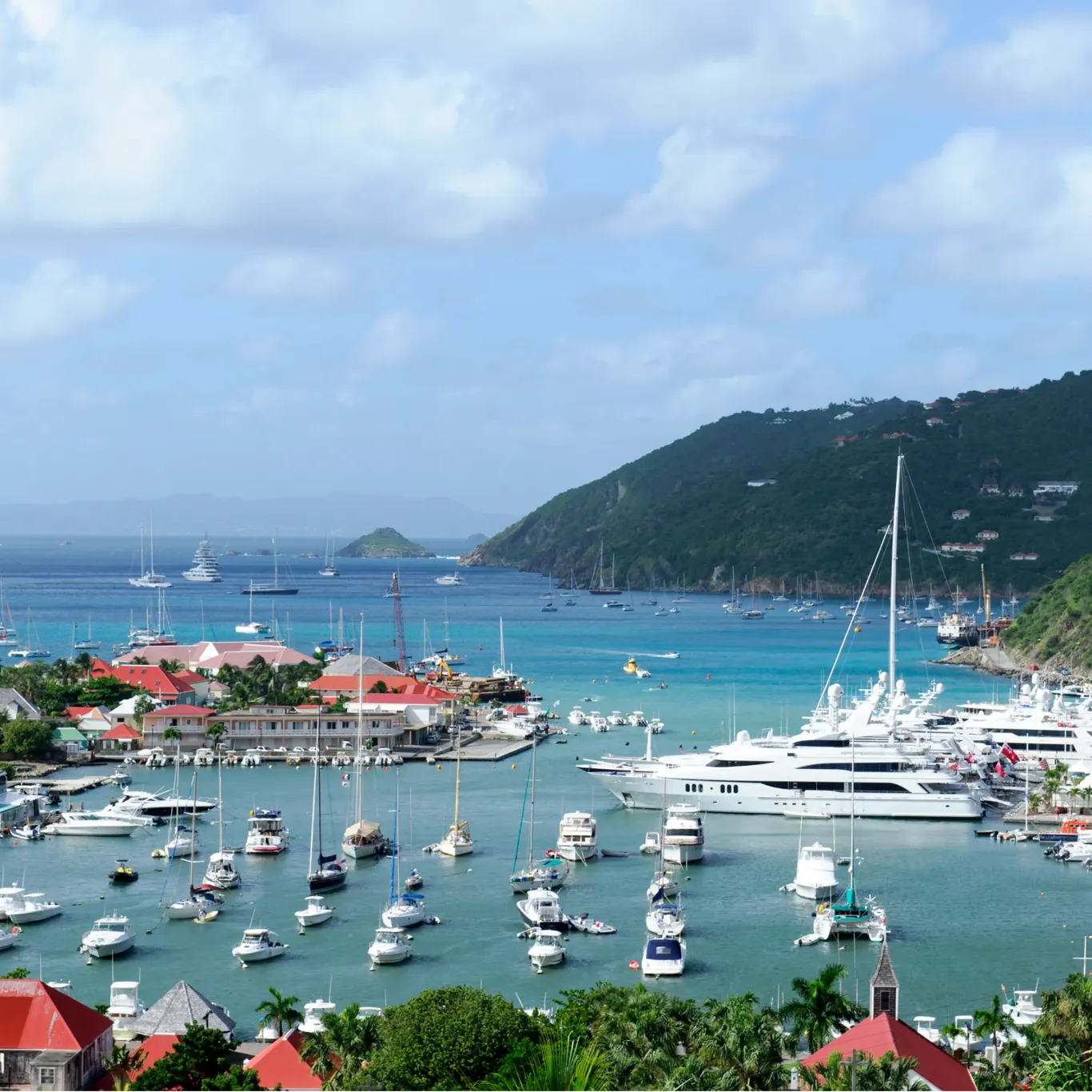
How exclusivity, investment and rental potential, and outstanding lifestyle appeal combine to keep St Barts a super-prime property haven
07 October 2026

How changing patterns of wealth mobility are reshaping demand for prime properties and branded residences
18 September 2026

From New York to Singapore, why the well-known mantra of location, location, location is more important than ever when investing in the world’s prime markets
18 September 2026
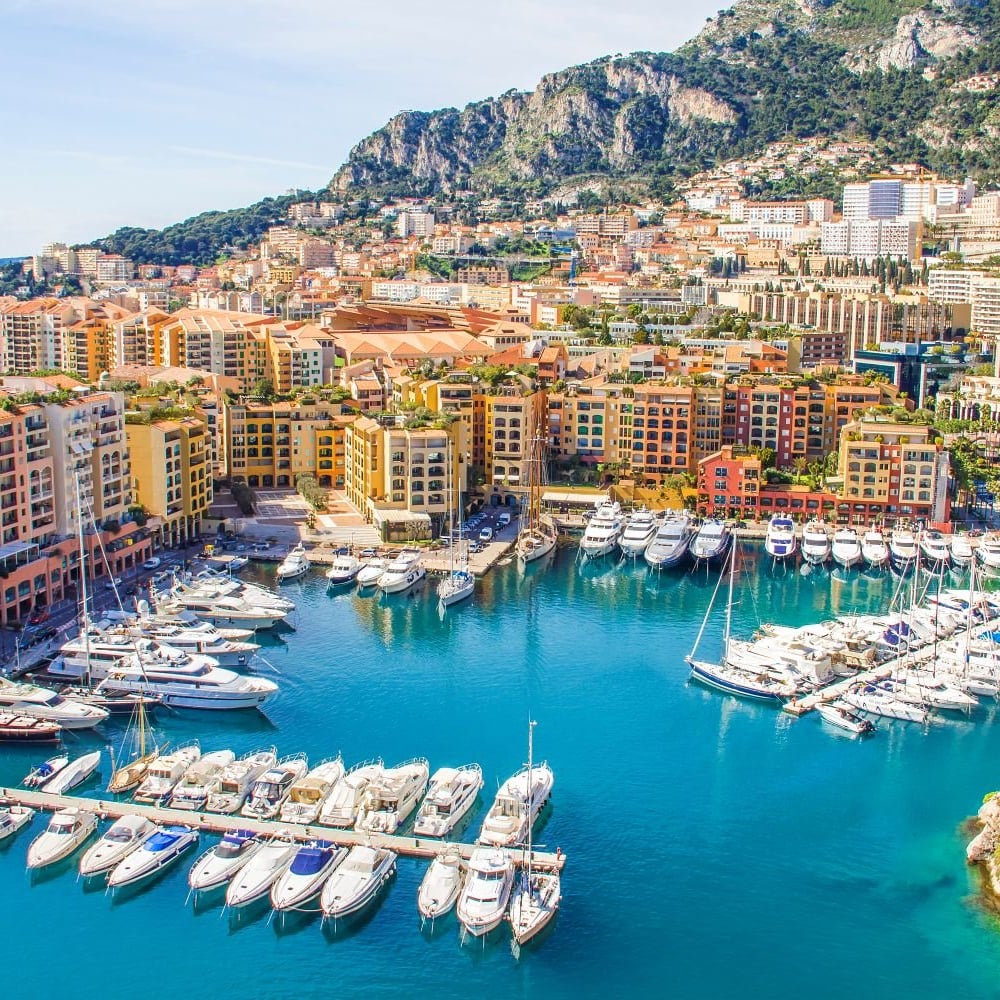
Small in size but mighty in stature, Monaco’s Mediterranean lifestyle, world-class calendar of events and alluring property options make it a magnet for the wealthy
14 September 2026

With education a key driver behind relocation decisions, these standout properties combine proximity to renowned international schools with an exceptional quality of life
03 September 2026

Bill Thomson, Chairman of Knight Frank's Italian network, highlights the important considerations for those setting out to buy an Italian home
06 August 2026

Ben Goldsmith shows the magic of Ormeley Lodge, home for 50 years to his mother Lady Annabel Goldsmith and for sale through Knight Frank.
30 July 2026

Elite players and ambitious clubs are taking a strategic approach to real estate, using property to build long-term value on and off the field
17 July 2026
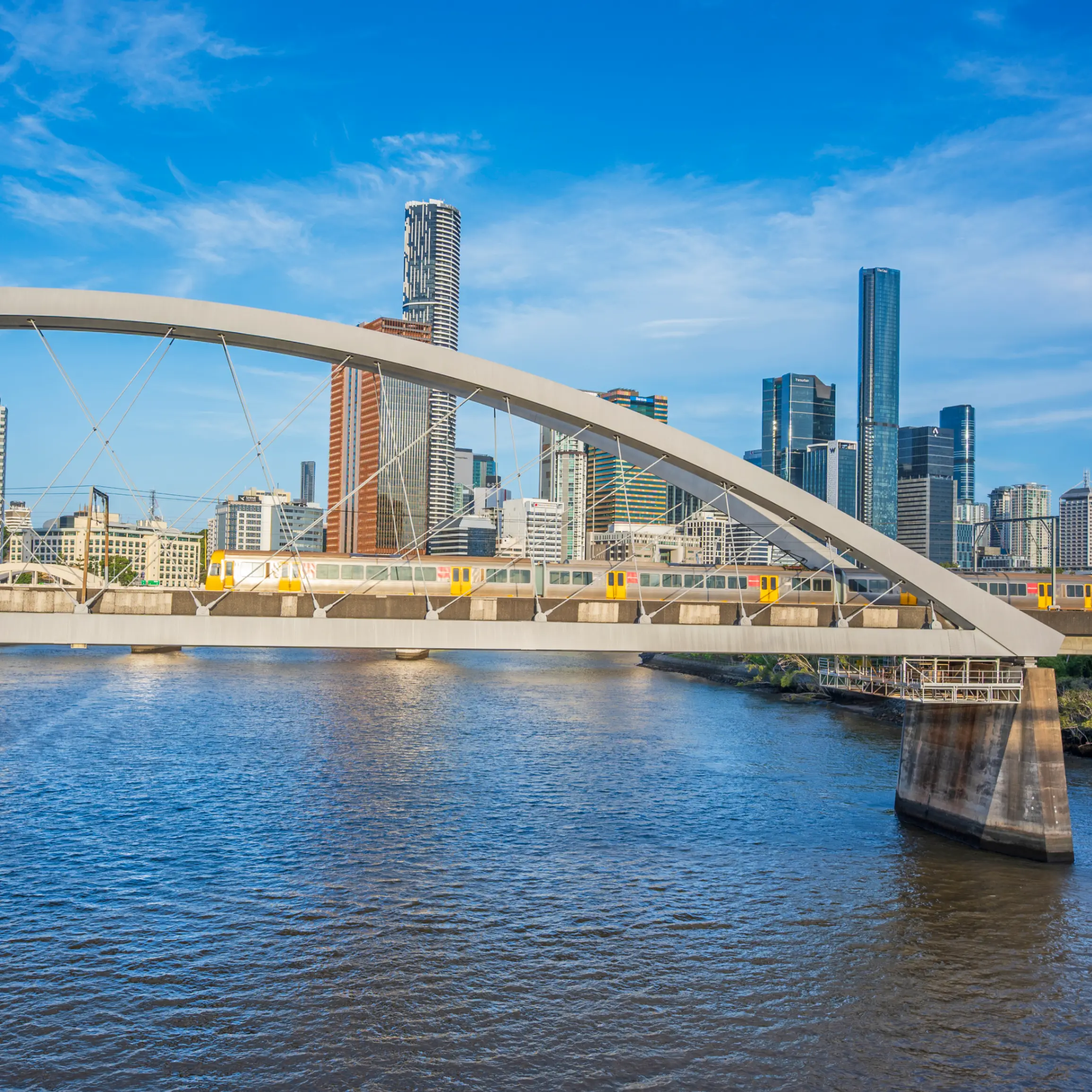
Discover the global luxury property markets most in demand with astute international buyers today, from Dubai and Abu Dhabi to Mumbai and Brisbane
15 July 2026

From New York to Los Angeles, these American property markets combine lifestyle and long-term value
02 July 2026

For today’s increasingly youthful affluent audience, a search for unique experiences and a drive for wellness and longevity mean luxury priorities have shifted
17 June 2026

How hospitality-led developments and branded residences are redefining ownership, service, and long-term value in Comporta, Portugal’s most exclusive coastal market
04 June 2026

As brought to life in The Devil Wears Prada 2, we delve into the destinations where fashion, film and prime property meet
01 June 2026

Flexible rentals, premium rates and global demand are making summer an increasingly attractive opportunity for homeowners in the short lets market
21 May 2026
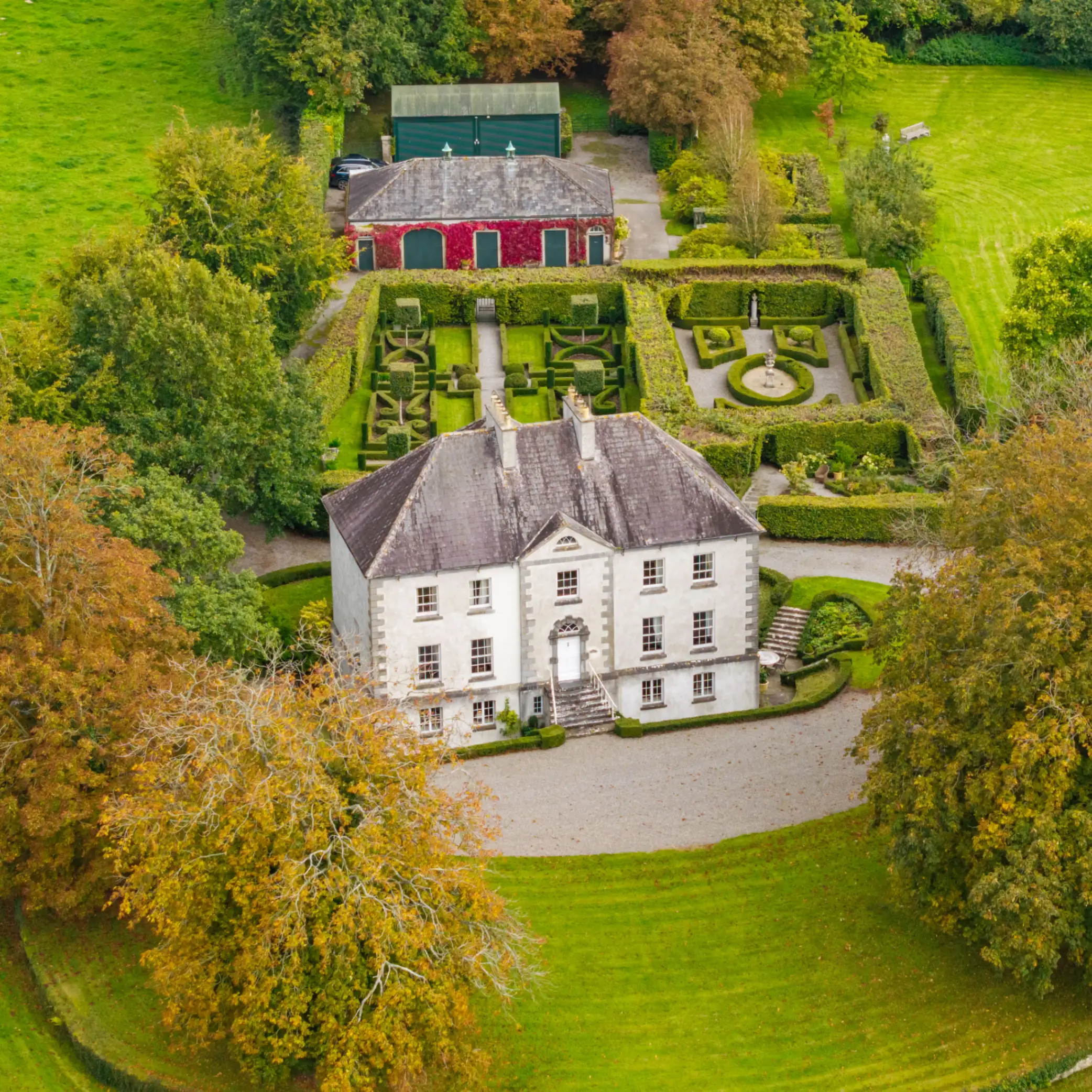
As buyers seek security and long‑term value, we explore why Ireland’s housing market continues to stand out
06 May 2026
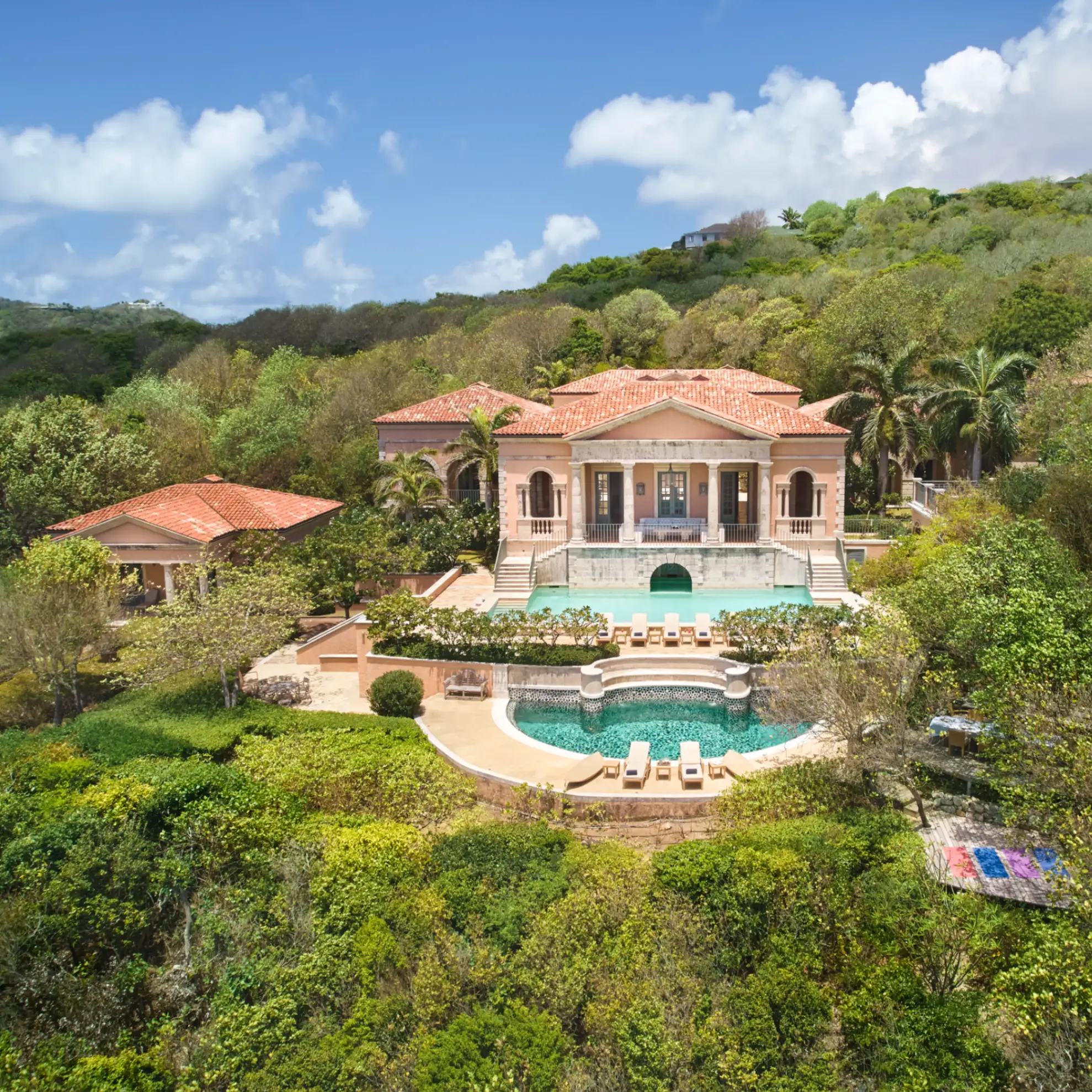
Explore a curated selection of standout homes that capture the essence of Caribbean luxury living
26 March 2026

As Knight Frank expands in Paris, discover insights into the city’s most desirable neighbourhoods and what drives its resilient prime property market
18 March 2026

With speed, certainty and transparency at its core, Venteu is redefining how premium homes reach the right buyers worldwide
13 March 2026

Los Angeles ranks among the world’s top super‑prime markets - and a new alliance with Carolwood Estates is opening fresh opportunities for buyers and sellers
06 February 2026
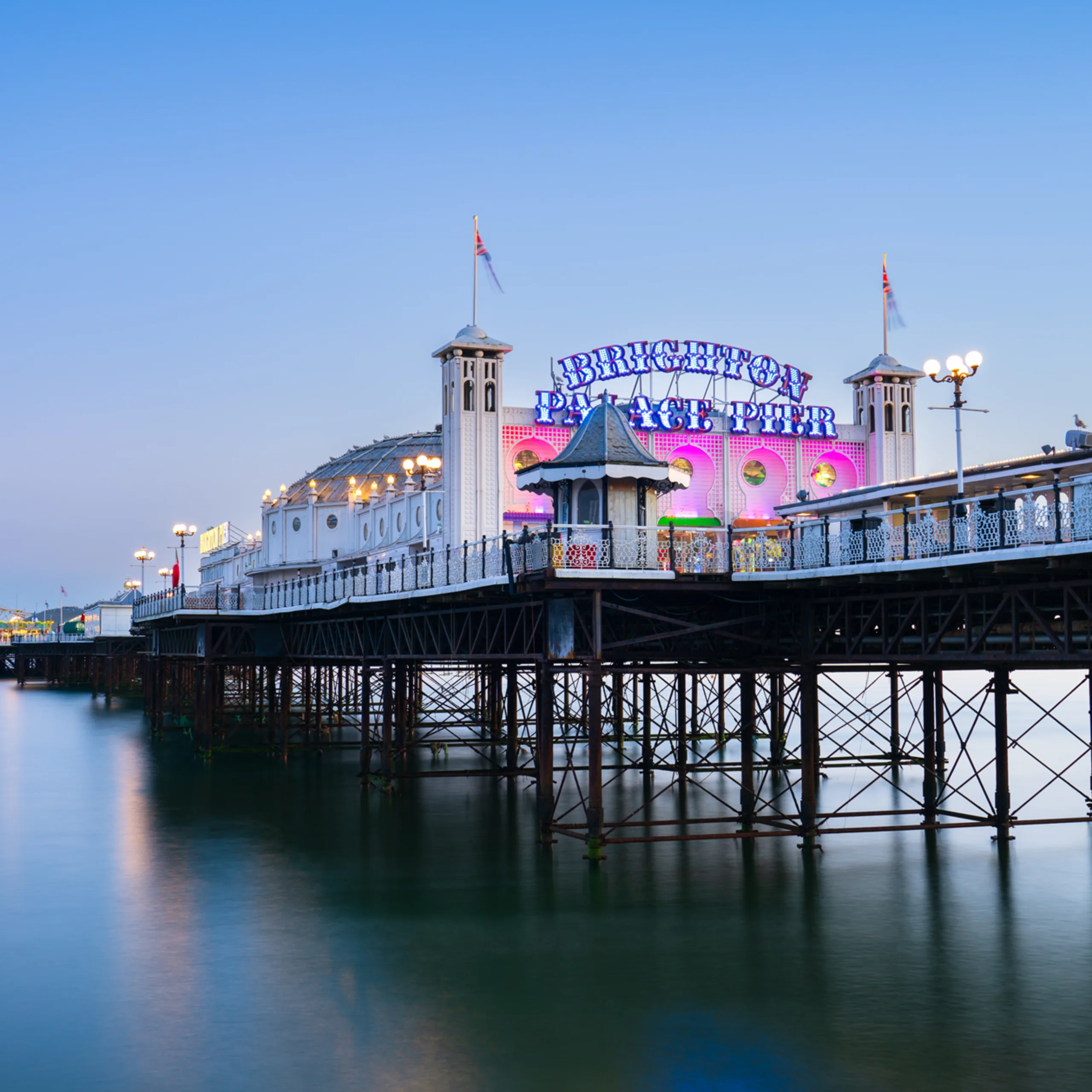
As the iconic Brighton Palace Pier goes up for sale, John Rushby of Knight Frank’s Specialist Leisure team explores what’s possible for its next owner - and the broader sector
15 January 2026

Flexible, profitable and practical - our expert shares how short lets can help homeowners make the most of their properties
07 January 2026

After a year of fiscal reforms and shifting tax landscapes across Europe, we take a look at the main trends and locations set to influence buyers in the year ahead
19 December 2025

Fusing nature, design and technology, Belah House embodies the future of luxury living, one that nurtures both the planet and personal wellbeing
04 December 2025

With rarity, prestige and panoramic views, London’s finest penthouses continue to captivate buyers seeking elevated living in the heart of the city
20 November 2025
Sorry!
An unexpected error has occurred.
Please try again later.