Inside Rome: a local’s guide to the Italian capital
From prime neighbourhoods to historic residences, explore the refined lifestyle and international appeal of Rome


From prime neighbourhoods to historic residences, explore the refined lifestyle and international appeal of Rome

Buyers are drawn to Rome for reasons that go beyond a simple property purchase. Often described as an open-air museum, the city blends its extraordinary heritage with an increasingly international outlook, offering a sophisticated and highly considered lifestyle.
Here, Veronica Sagliaschi, CEO of Knight Frank’s partner in the city, ReLiving, shares how best to experience the Italian capital’s refined way of life, along with insights into its most desirable neighbourhoods.
Rome is where ancient history and modern living coexist, with daily life shaped by culture, cuisine and a strong sense of community. The city offers a highly distinctive lifestyle, where Renaissance palazzi, private gardens and Baroque fountains form part of the everyday setting. For residents, it combines the cultural depth of a world capital with a level of intimacy and character that larger metropolises rarely provide. In its most prestigious neighbourhoods, the atmosphere is both international and established, while remaining closely tied to Italian traditions, craftsmanship and a considered way of living.
One of Rome’s defining qualities is its ability to absorb change without losing its identity. The historic centre is tightly protected by preservation laws, ensuring that its architectural fabric, grand palazzi, quieter courtyards and historic façades, remains largely intact. At the same time, there has been a steady evolution in neighbourhoods such as Prati, Testaccio and Trastevere, where independent restaurants, design studios and boutique hotels have introduced new energy.
Rome’s cultural life extends beyond its landmarks. A more discreet network of private members’ clubs, historic institutions and a well-established fine dining scene adds another layer to the city. Luxury retail is centred on Via Condotti and Via Borgognona, while restaurants such as La Pergola, Il Pagliaccio and Acquolina define the upper end of the market. Private art collections, historic churches and aristocratic palazzi regularly host events and exhibitions, contributing to a varied and active cultural calendar.

The city’s most sought-after residential areas are concentrated in a handful of truly prestigious locations. Parioli remains one of Rome’s most established neighbourhoods, known for its tree-lined streets, embassies and mix of villas and apartment buildings. Prati, near the Vatican, offers wide avenues and Liberty-style architecture. Within the historic centre, particularly around Via Giulia, Piazza Navona, Campo Marzio and the Pantheon, properties are among the most prestigious and limited in supply. Aventino provides a quieter setting with villas, gardens and elevated views, while the Appia Antica offers larger, more private estates surrounded by the ancient Roman countryside.

Rome’s prime property market is defined by scarcity, heritage and long-term appeal. The supply of exceptional historic properties is limited, and planning restrictions ensure this will remain the case. Buyers are often motivated by more than investment, seeking a property that represents both a lifestyle and long-term value. International demand remains strong, particularly from American, British, Middle Eastern and Northern European buyers, many of whom are looking for a primary European residence or a second home. Meanwhile, pricing compared with other European capitals, combined with Italy’s favourable tax regime for new residents, continues to support Rome’s appeal among high-net-worth individuals.
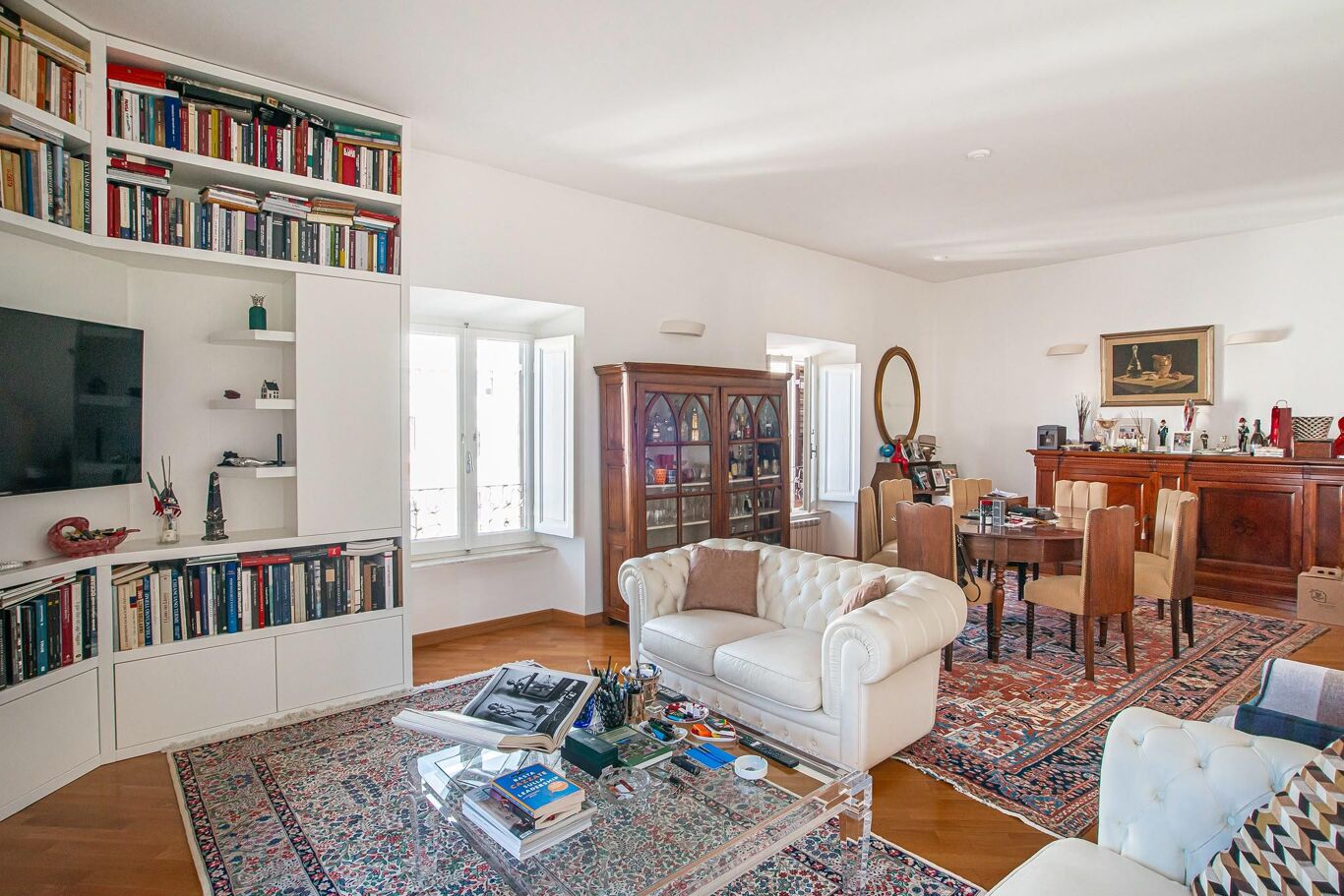
Apartment, 100 sqm


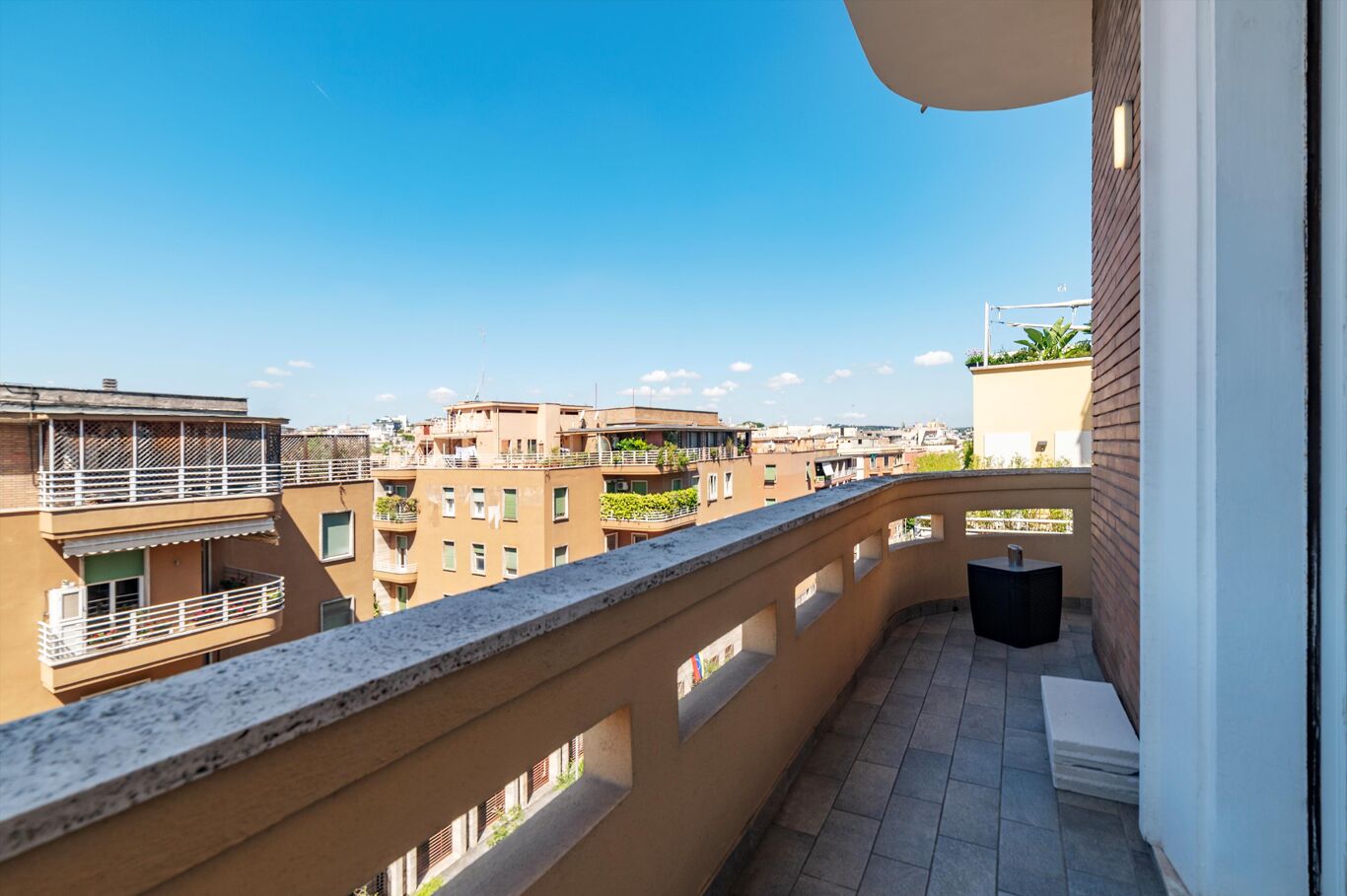
Apartment, 200 sqm
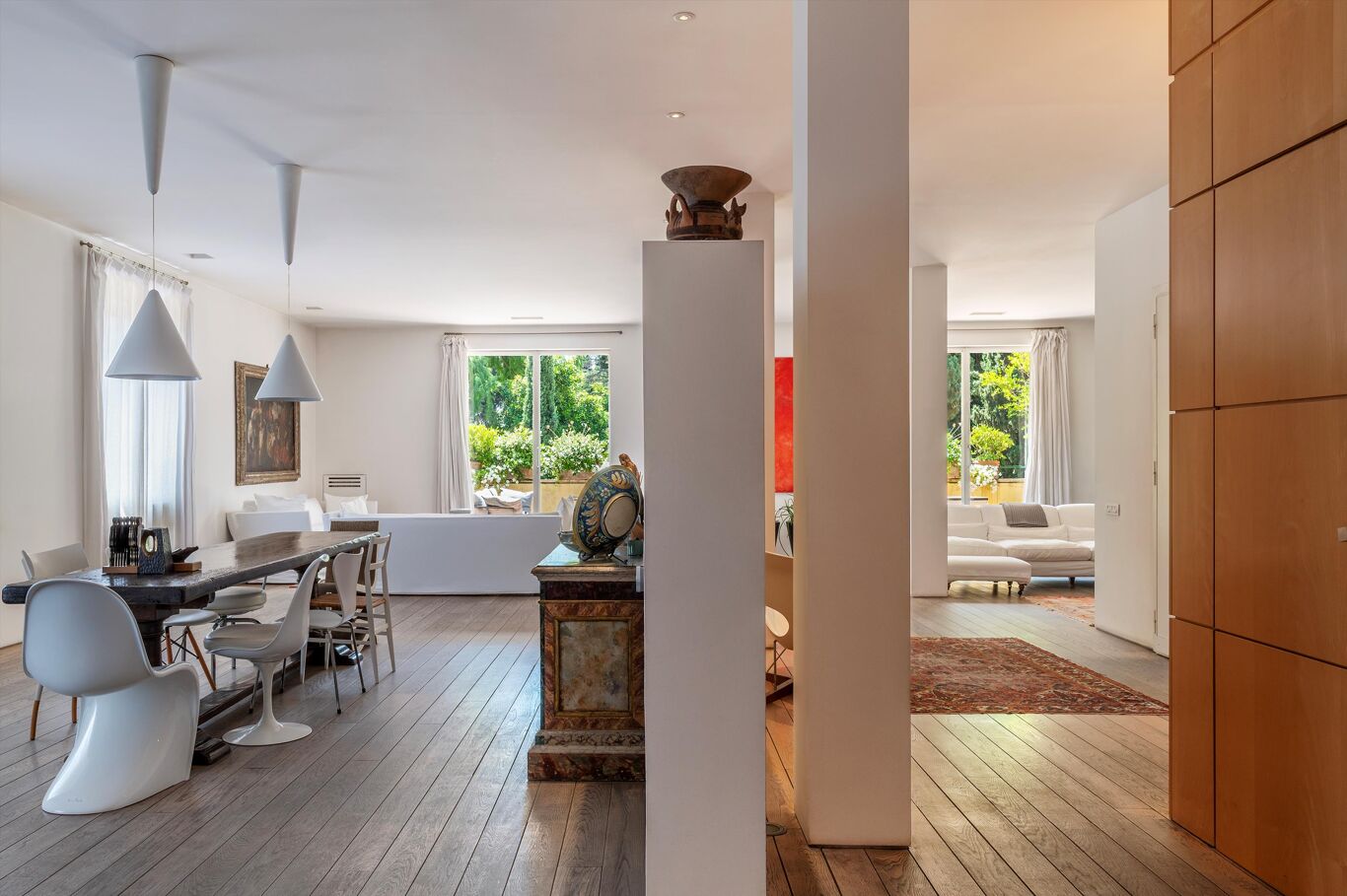
Apartment, 320 sqm
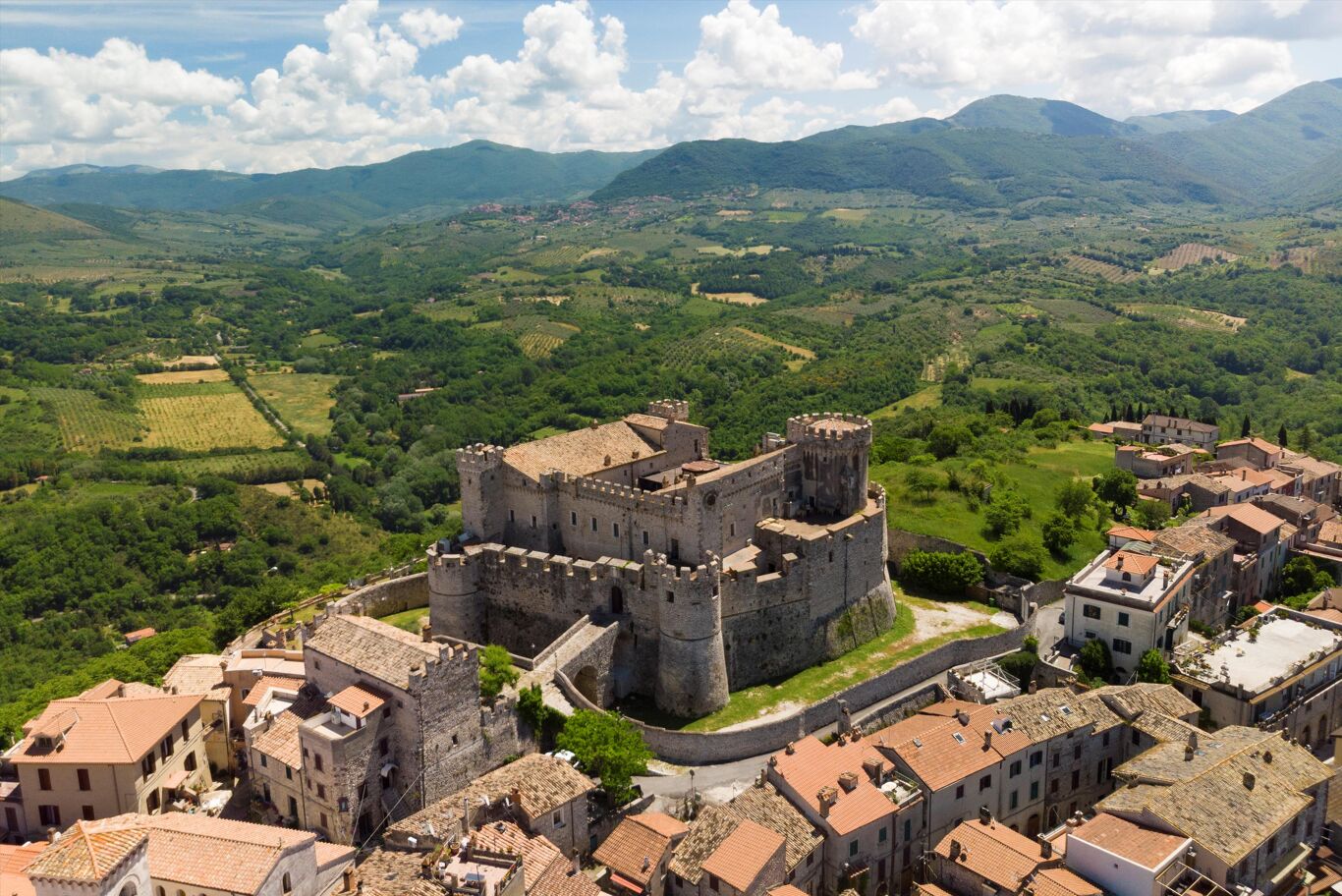
Castle, 4300 sqm
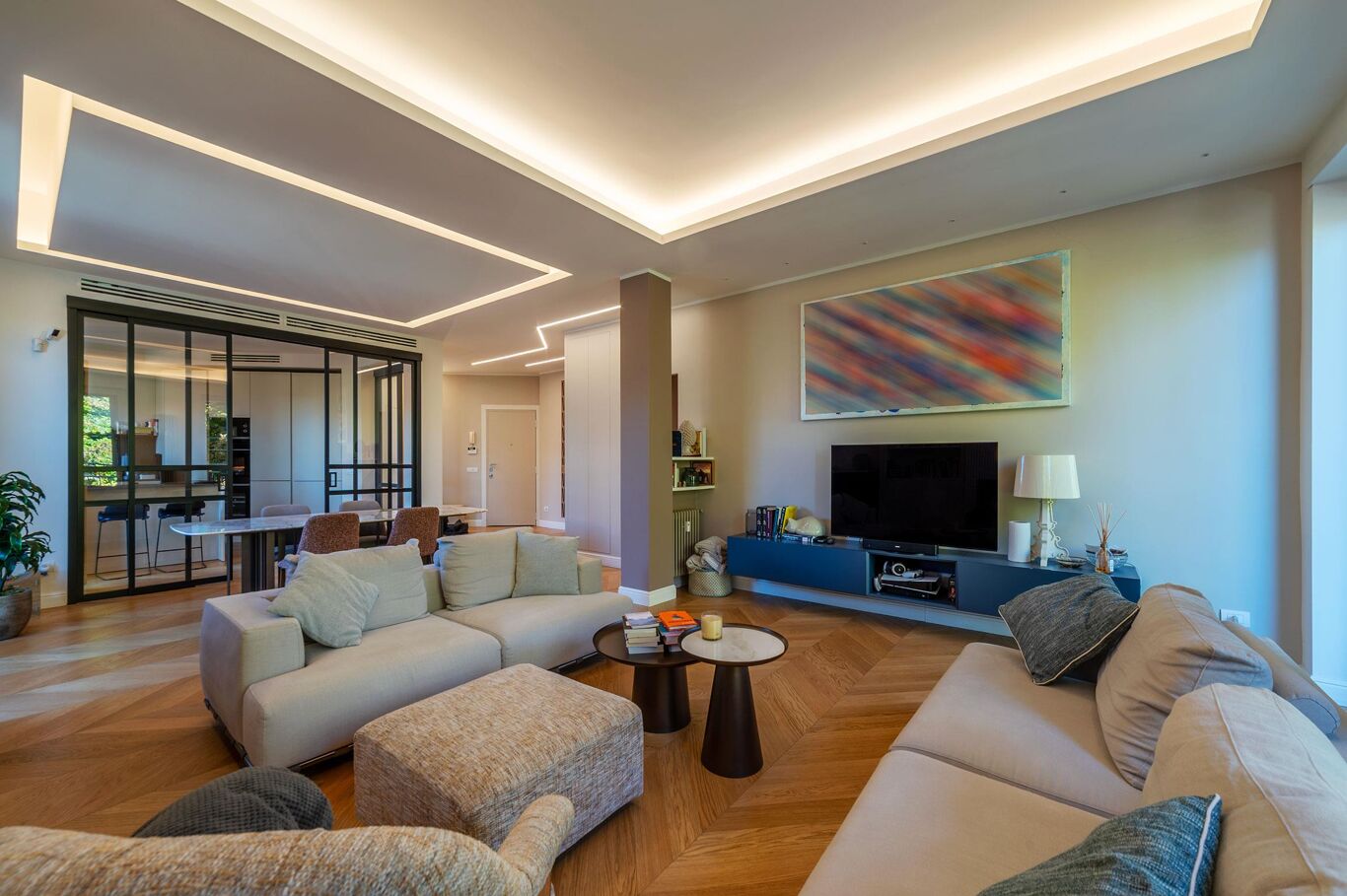
Apartment, 190 sqm
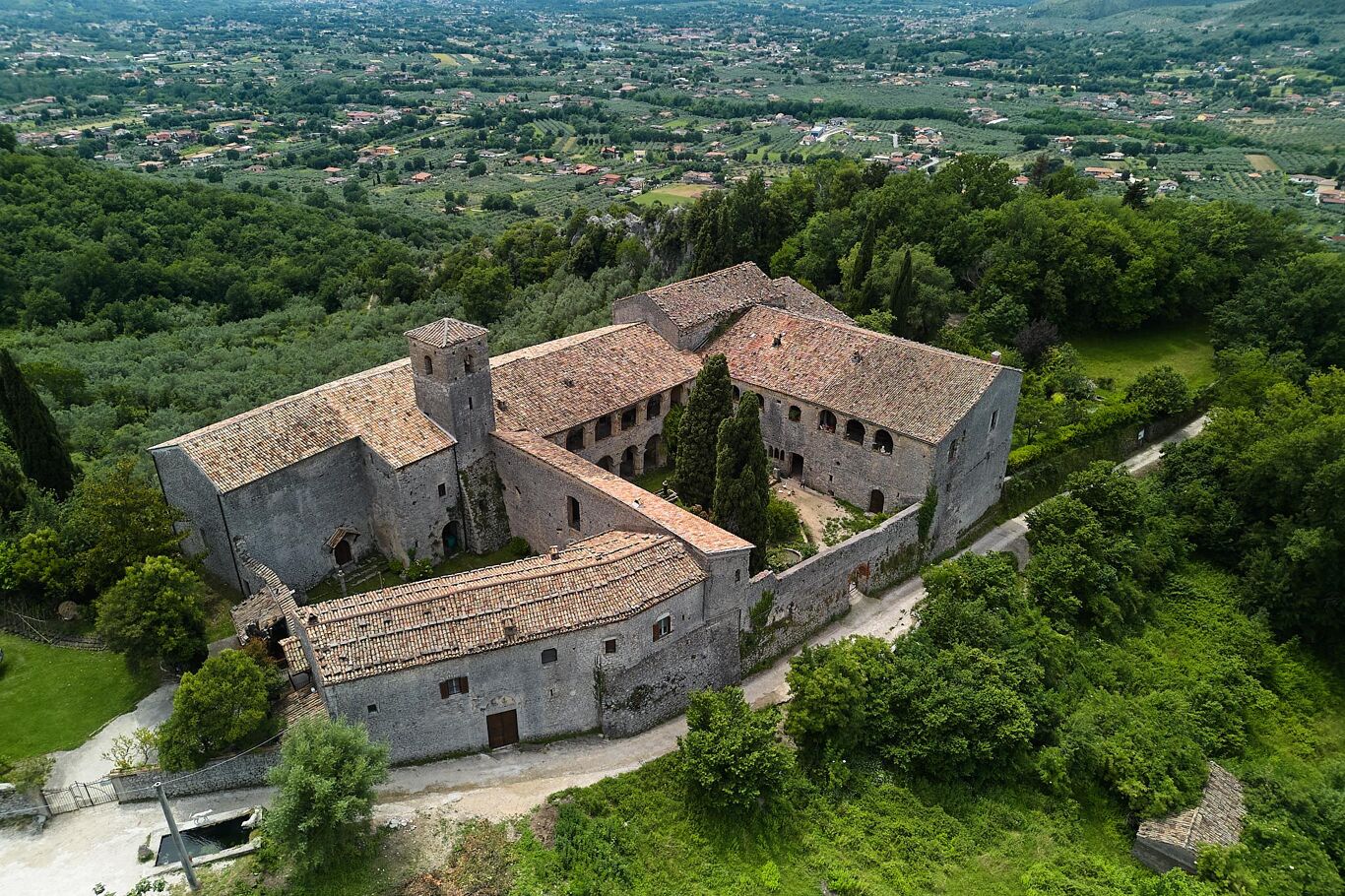
Estate, 2100 sqm
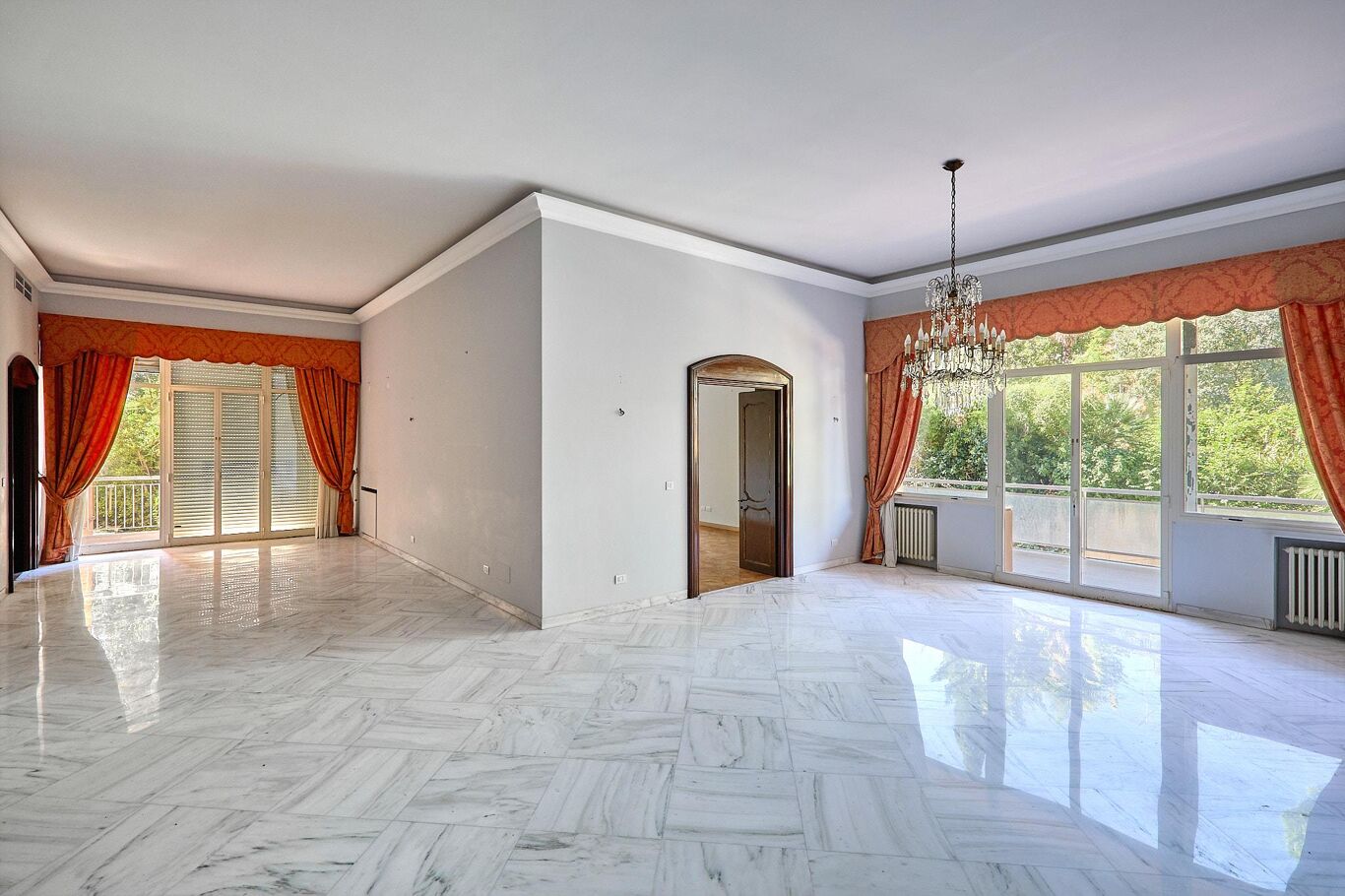
Apartment, 684.97 sqm
Contact our experts
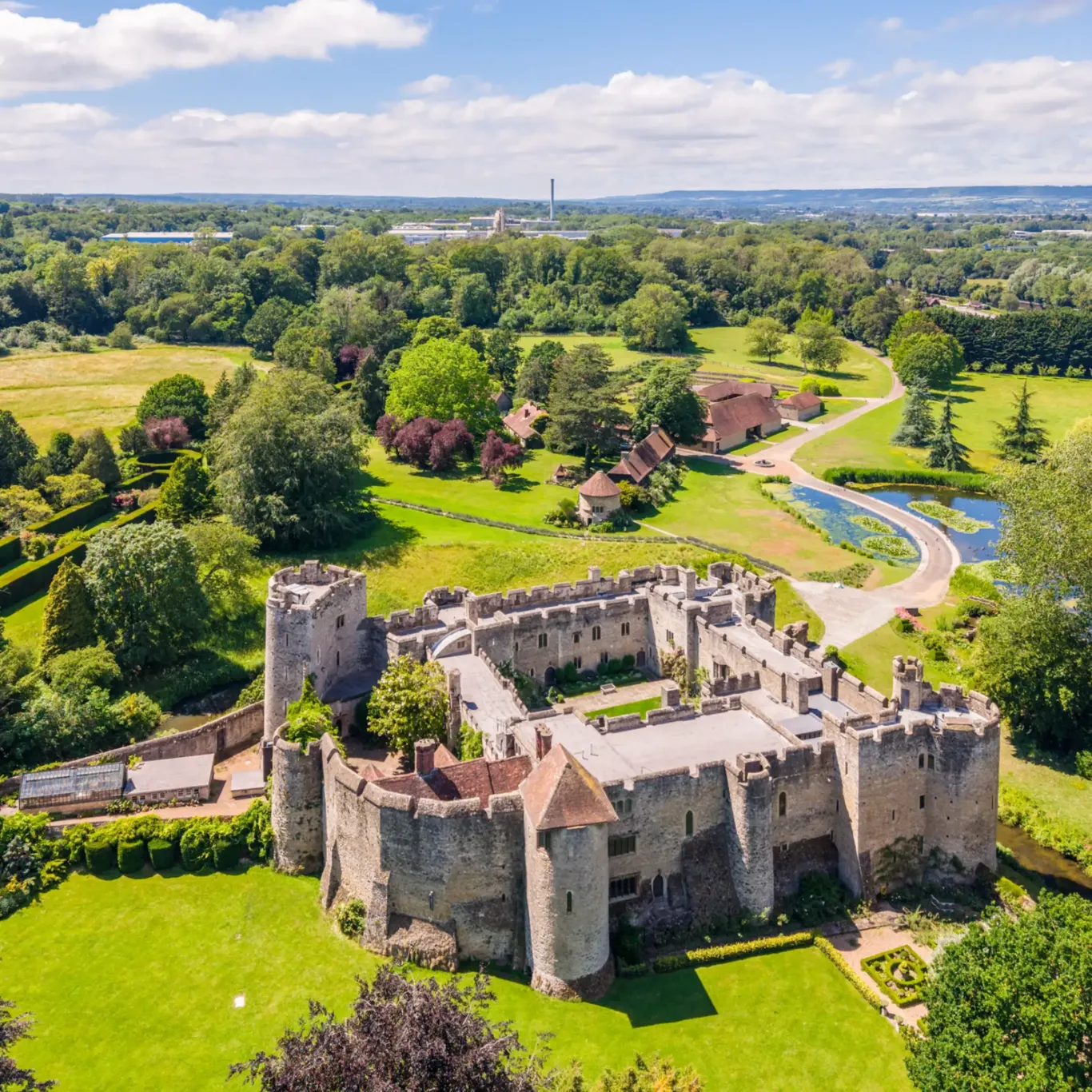
The romance, heritage and investment potential of castle ownership continue to attract discerning buyers from around the world
06 October 2026
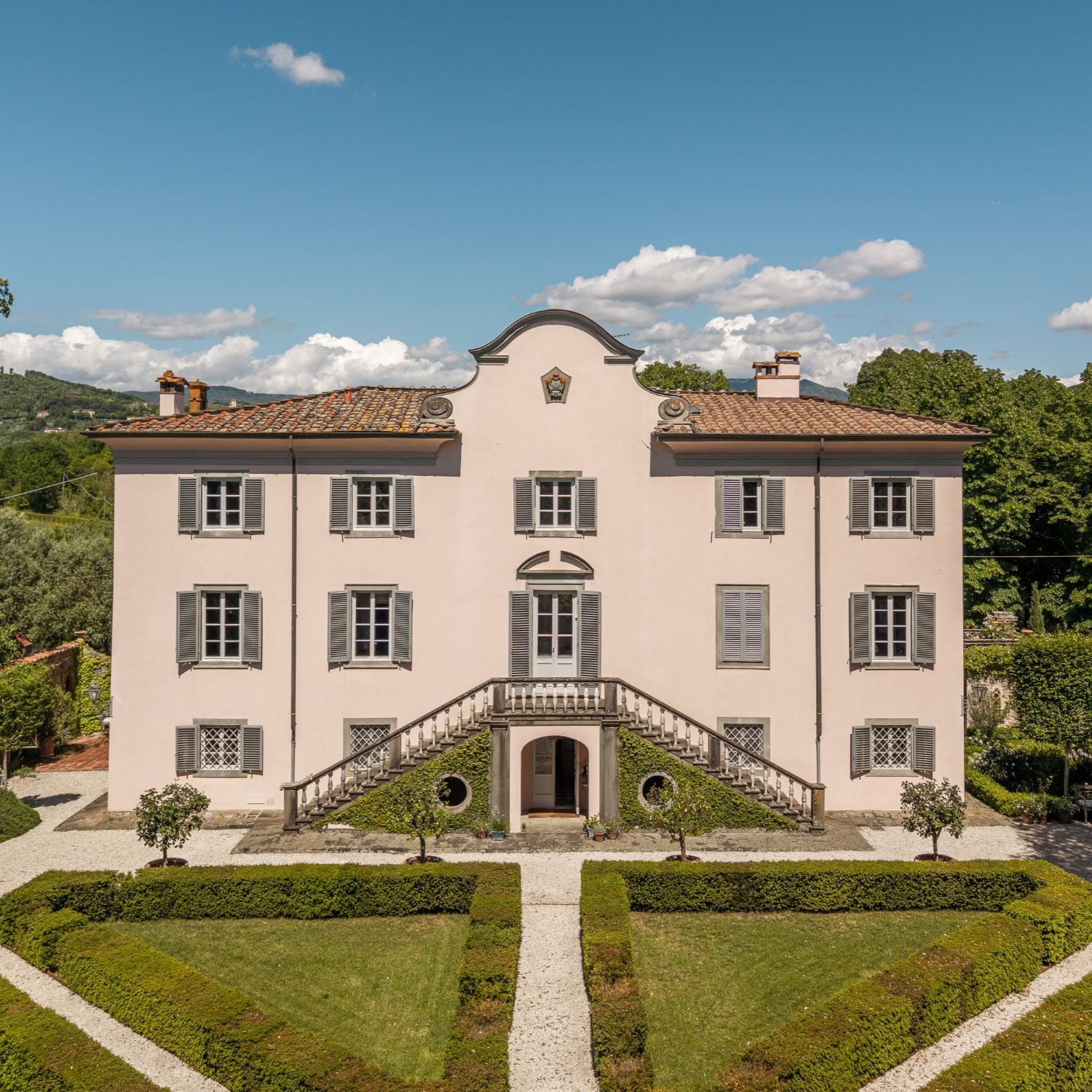
Discover the lesser-known authentic European locations where traditional villages and dreamy nature serve up an idyllic rural lifestyle.
07 August 2026

Discover why Cortina d’Ampezzo continues to draw buyers with its balance of nature, privacy and alpine charm
06 August 2026
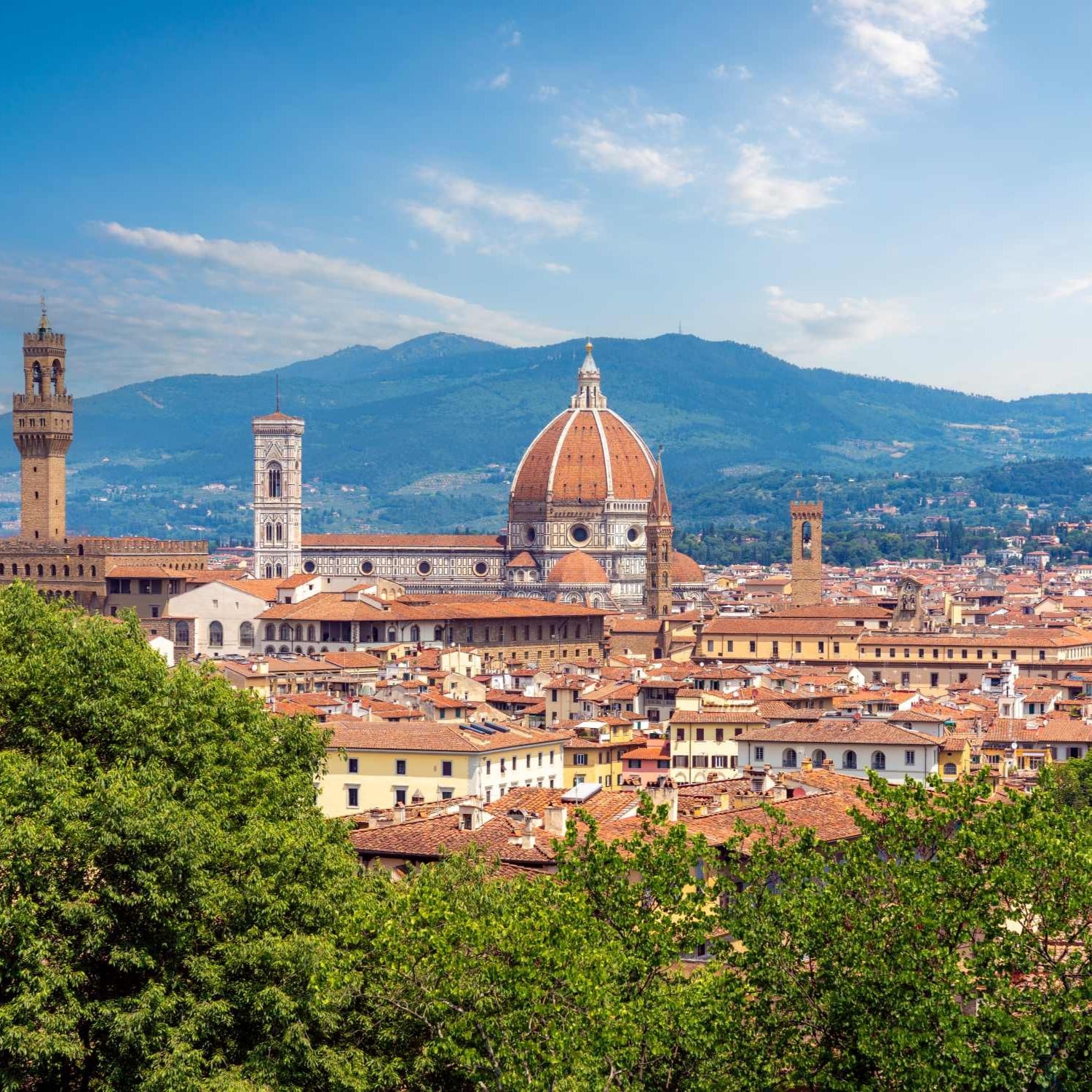
Discover Florence through a local lens, from its world-renowned culture to sought-after neighbourhoods and countryside retreats
06 August 2026
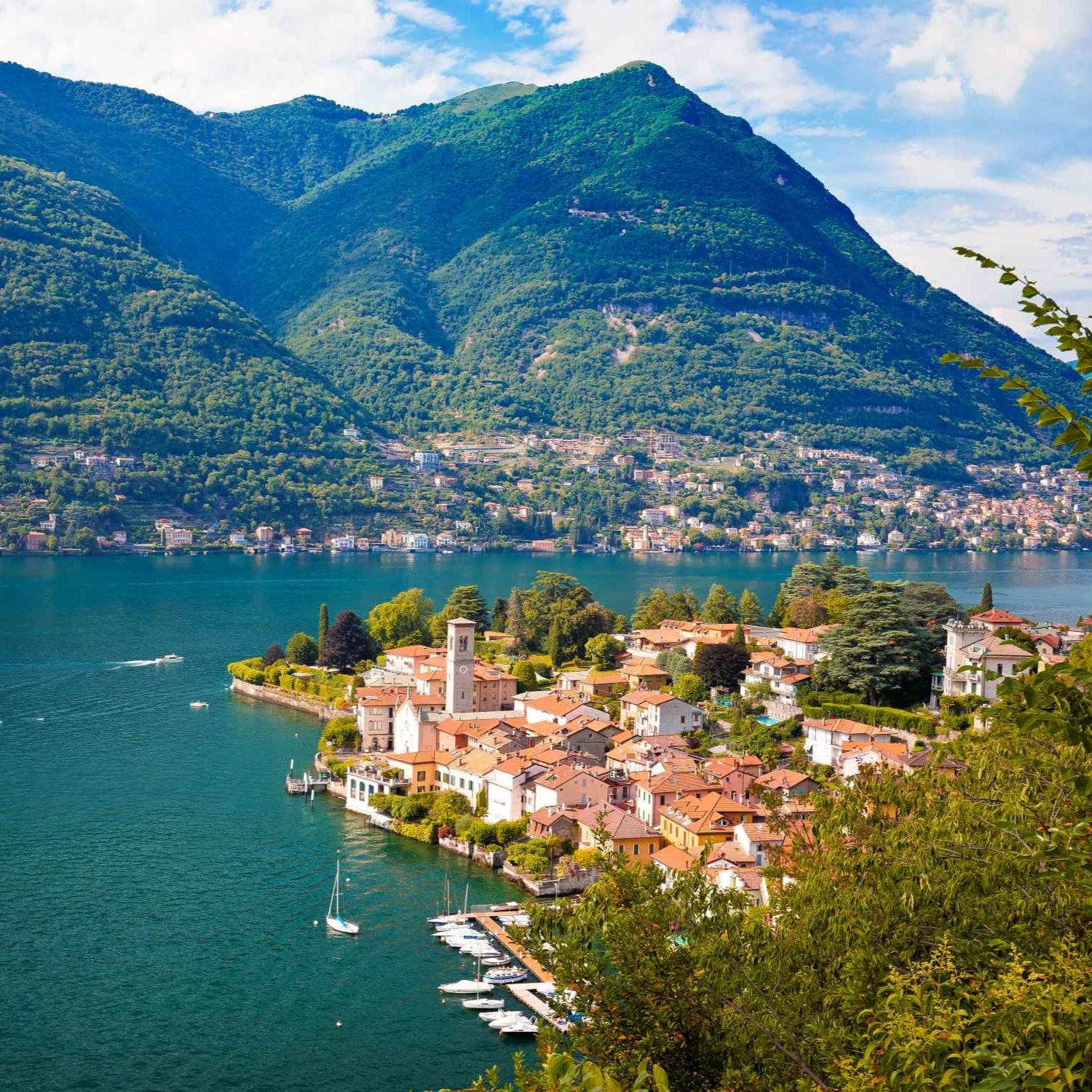
From historic villages to luxury waterfront villas, explore what makes Lake Como one of Europe’s most desirable places to live and invest
06 August 2026
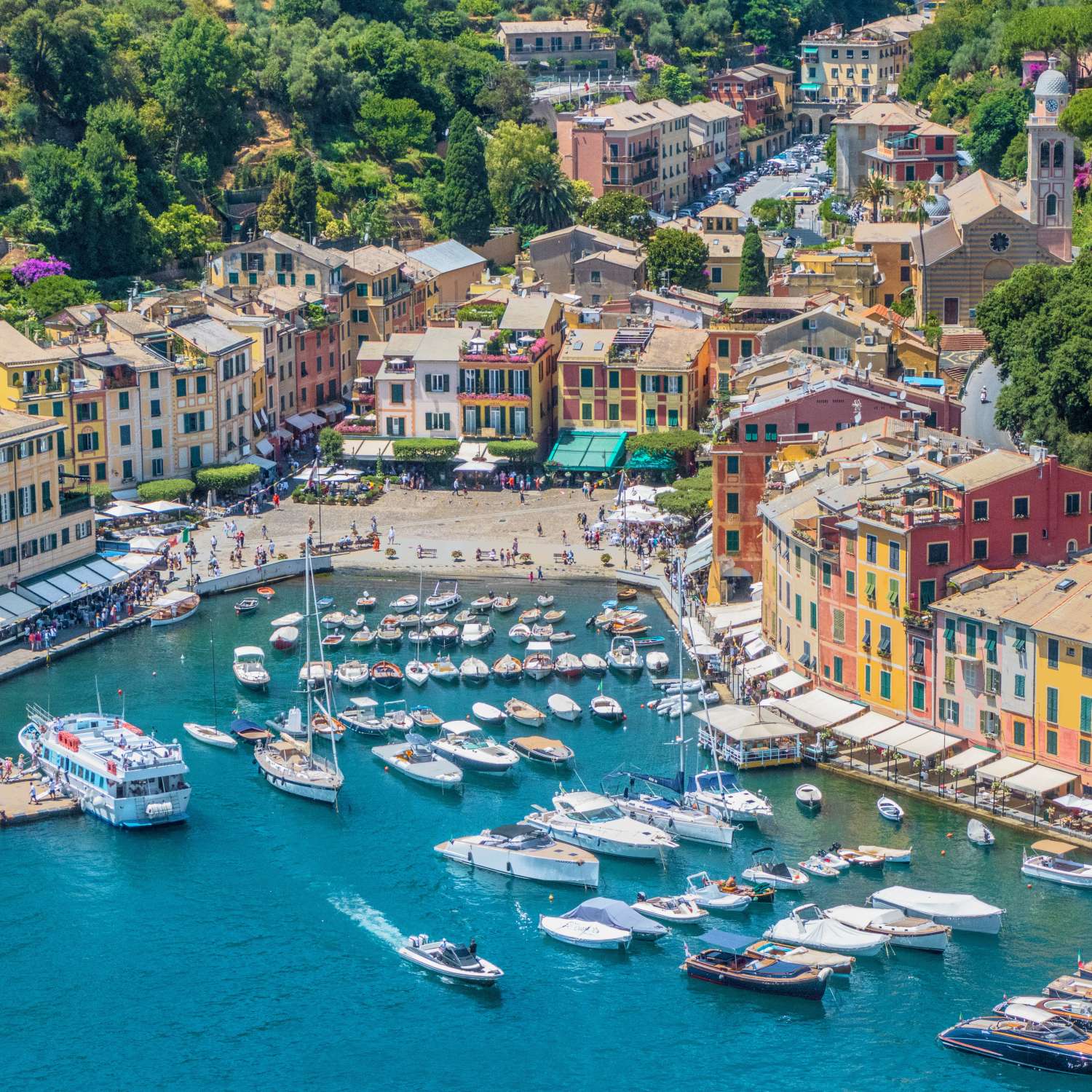
From hidden coastal villages to elegant homes, discover why buyers are drawn to Liguria’s lifestyle and real estate
06 August 2026
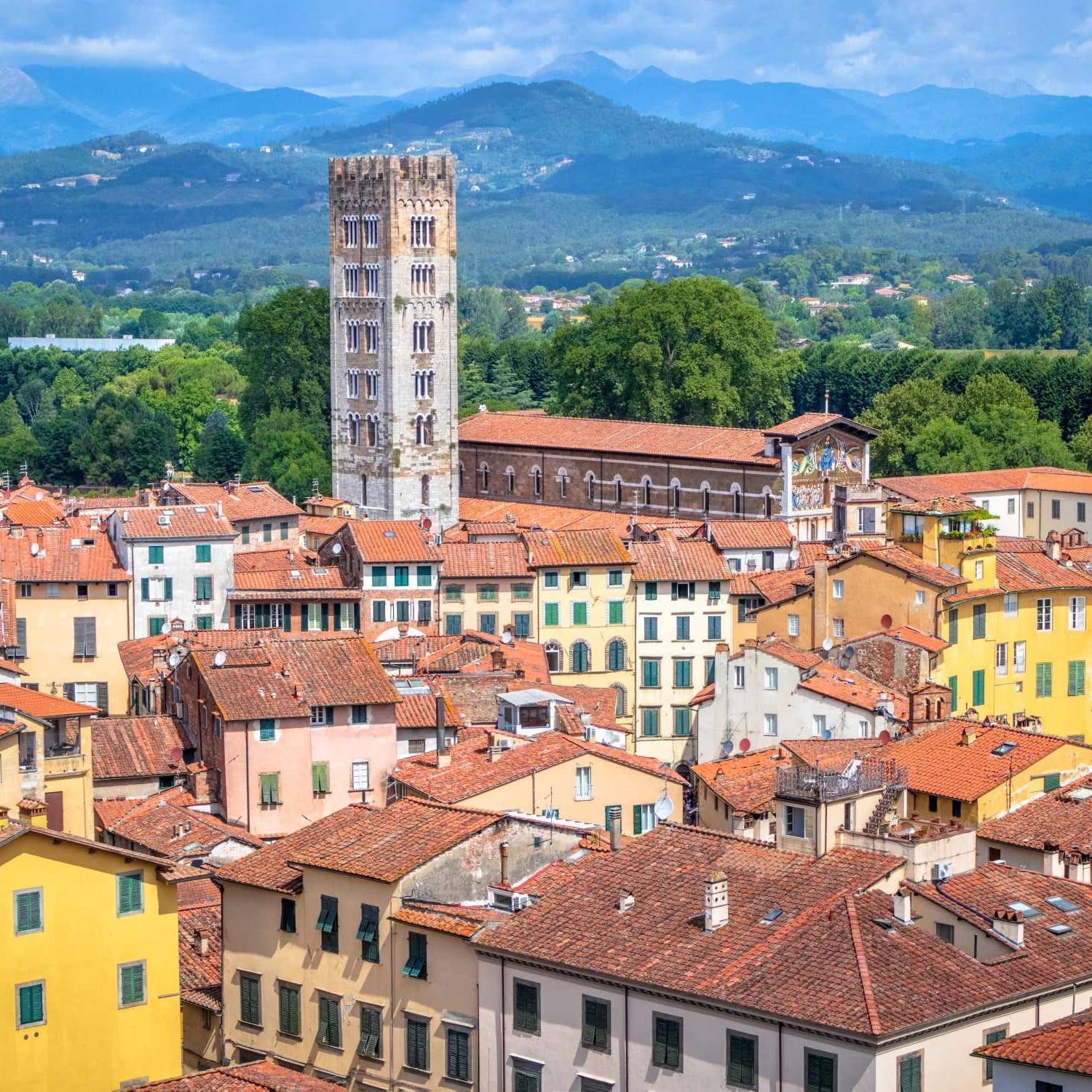
From its historic walled city to rolling hills and the nearby coast, Lucca reveals a refined Tuscan lifestyle shaped by culture, heritage and quiet sophistication
06 August 2026
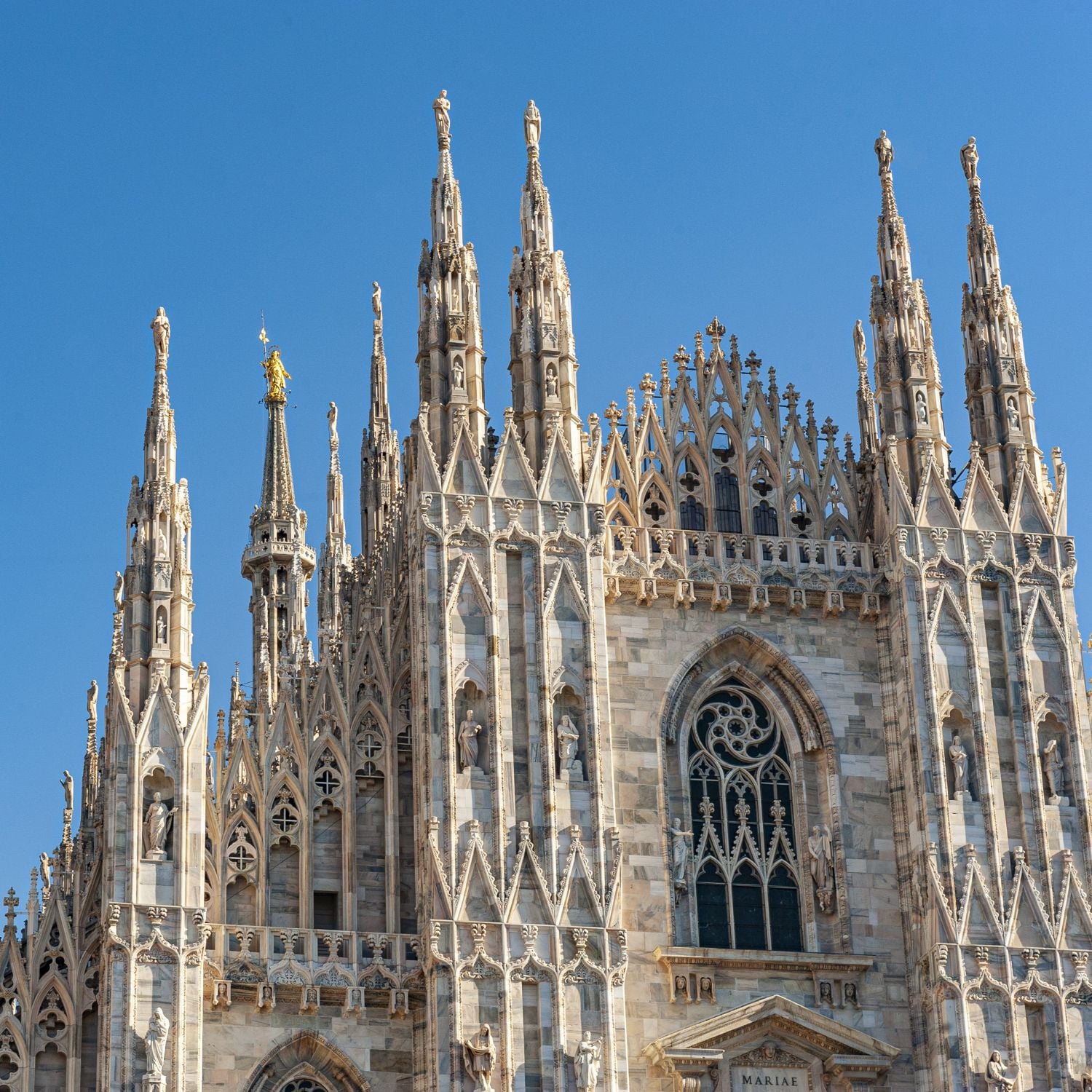
Discover life in Milan, from its most sought-after neighbourhoods to its prestigious luxury real estate market
06 August 2026
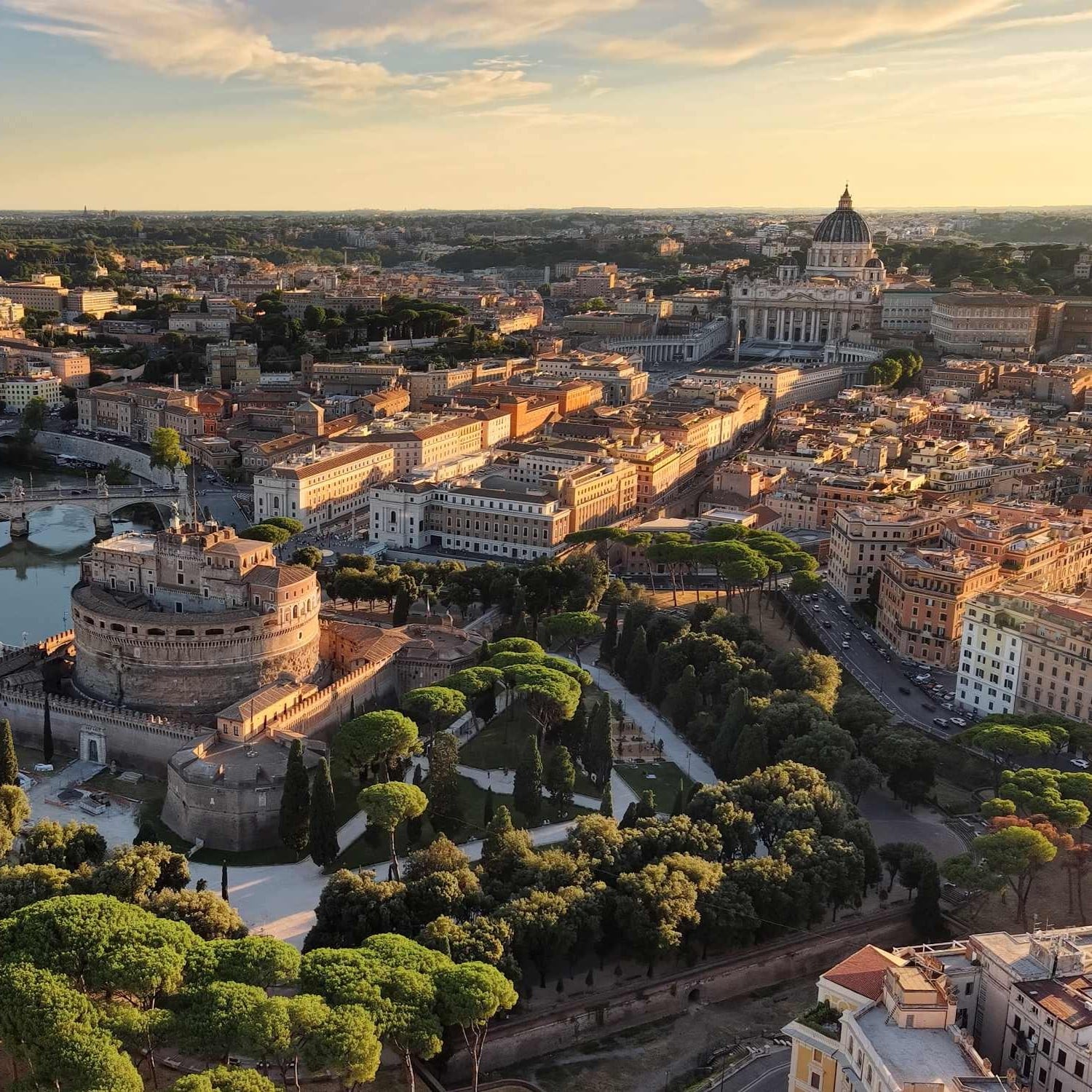
From prime neighbourhoods to historic residences, explore the refined lifestyle and international appeal of Rome.
06 August 2026
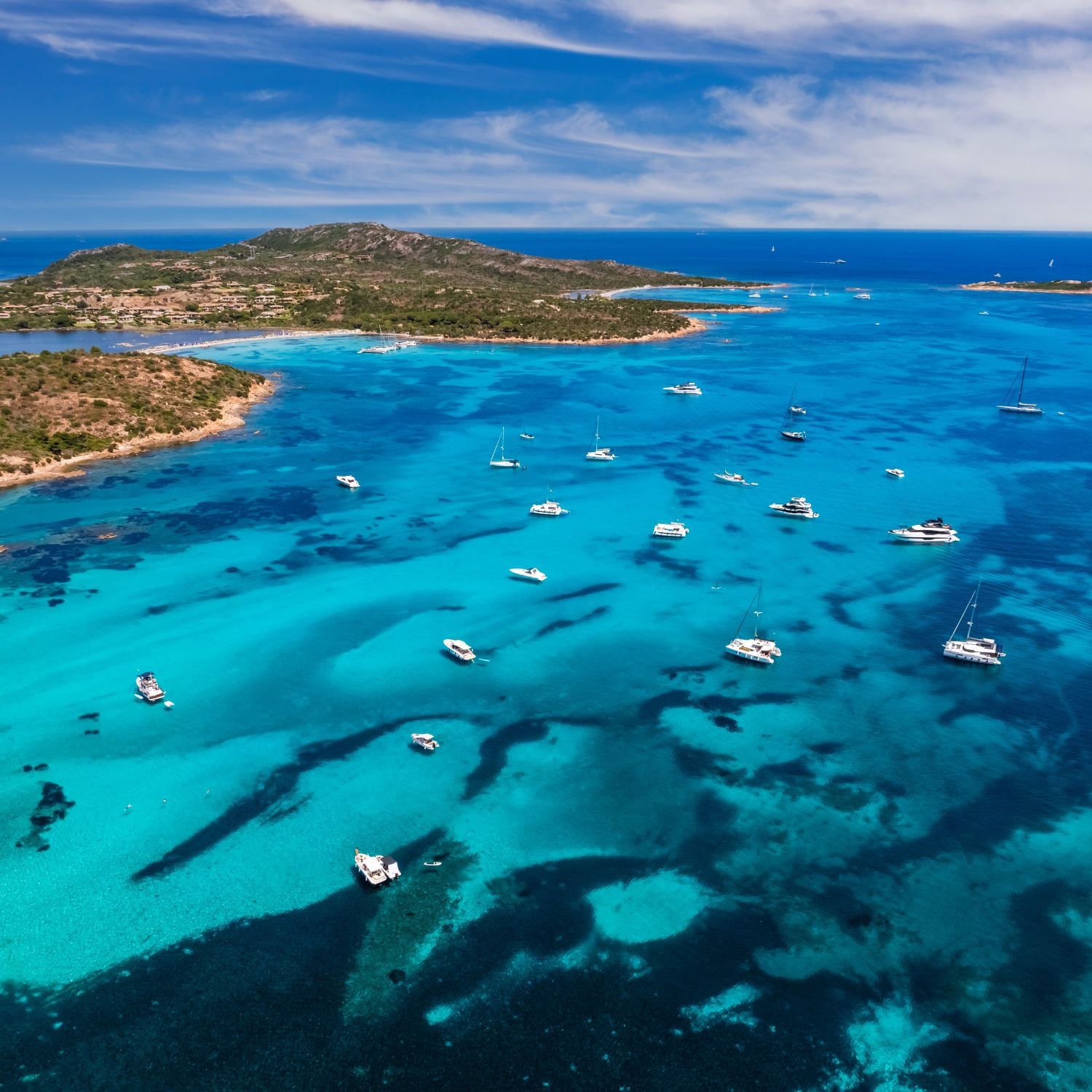
Discover the charm of Costa Smeralda, where protected landscapes shape a unique lifestyle and property market
06 August 2026
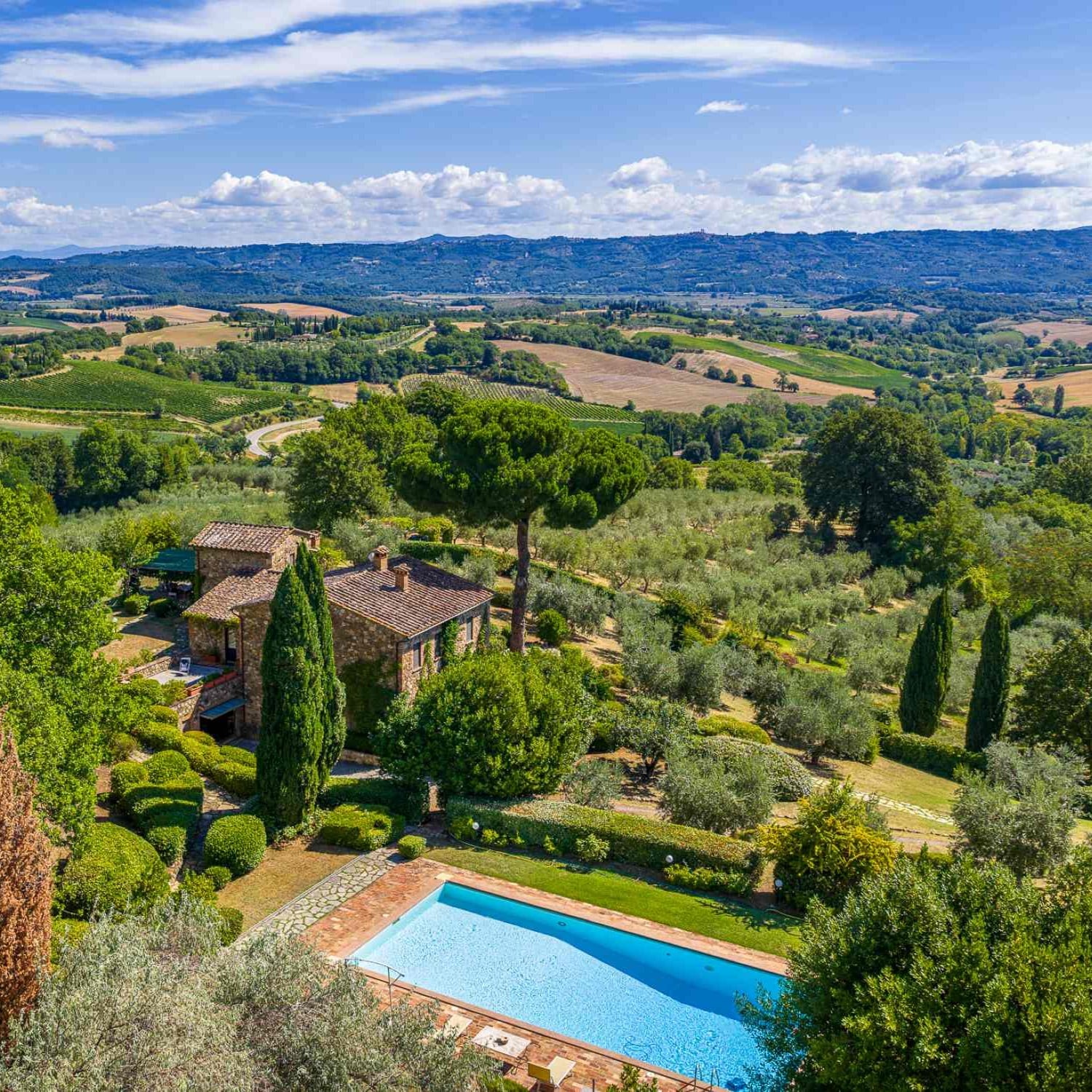
Discover life in the Val d’Orcia, from its picturesque landscapes to the homes and lifestyle attracting international buyers
06 August 2026
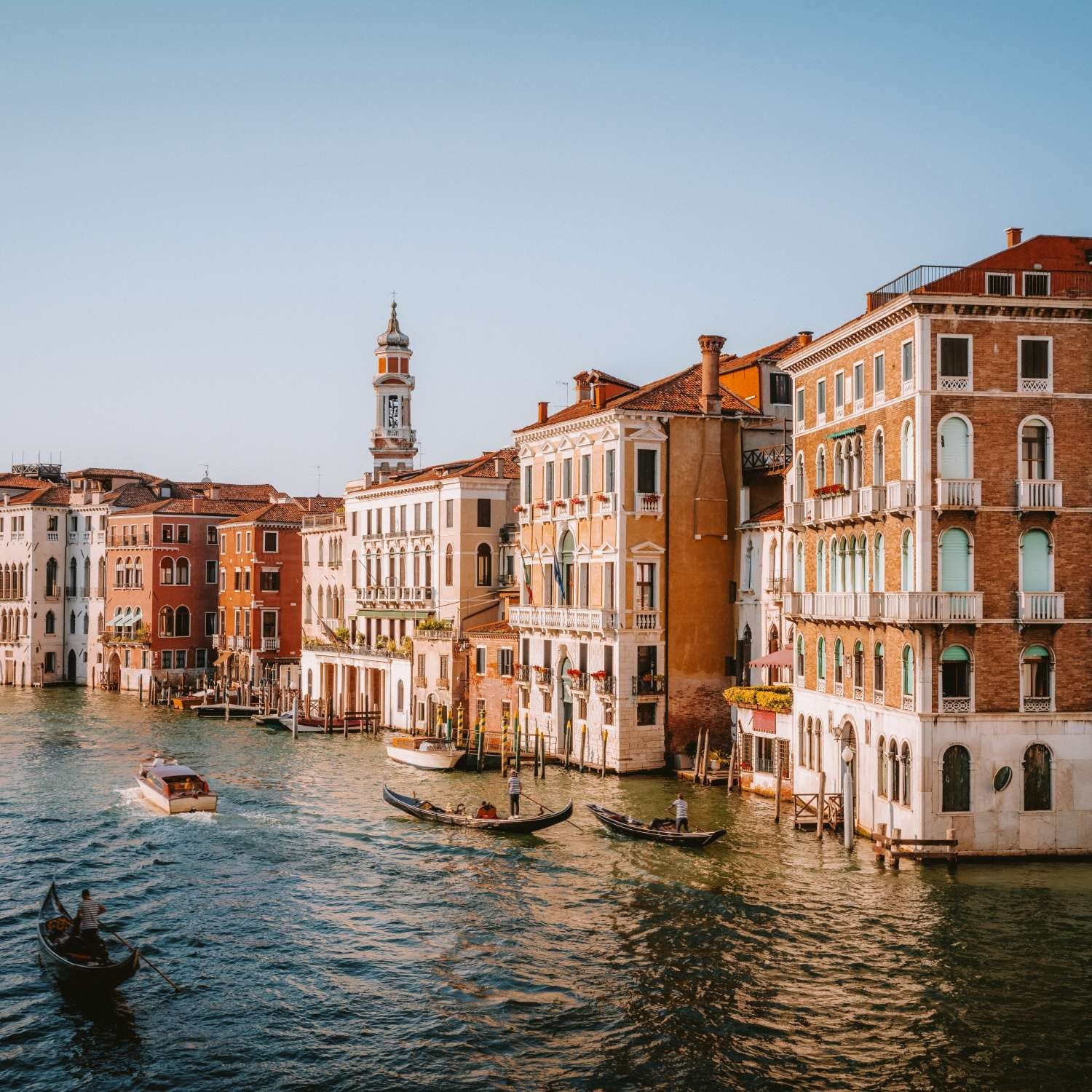
Inside Venice: a local guide to Italy’s “floating city”
06 August 2026
How modern high-tech solutions take the stress out of managing your home remotely
06 August 2026
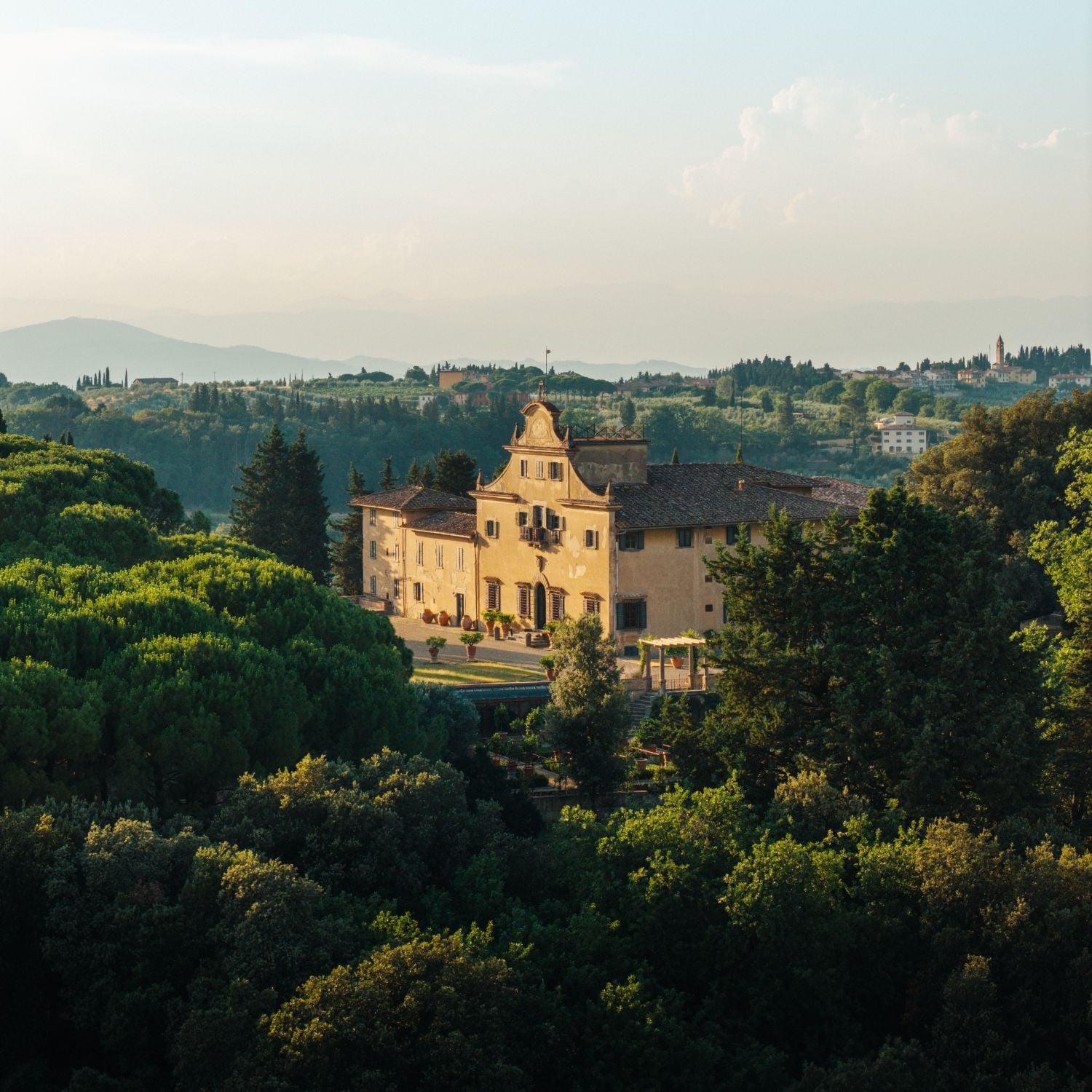
How a Shakespearean film and Knight Frank Italy led one couple to their dream Tuscan estate
06 August 2026
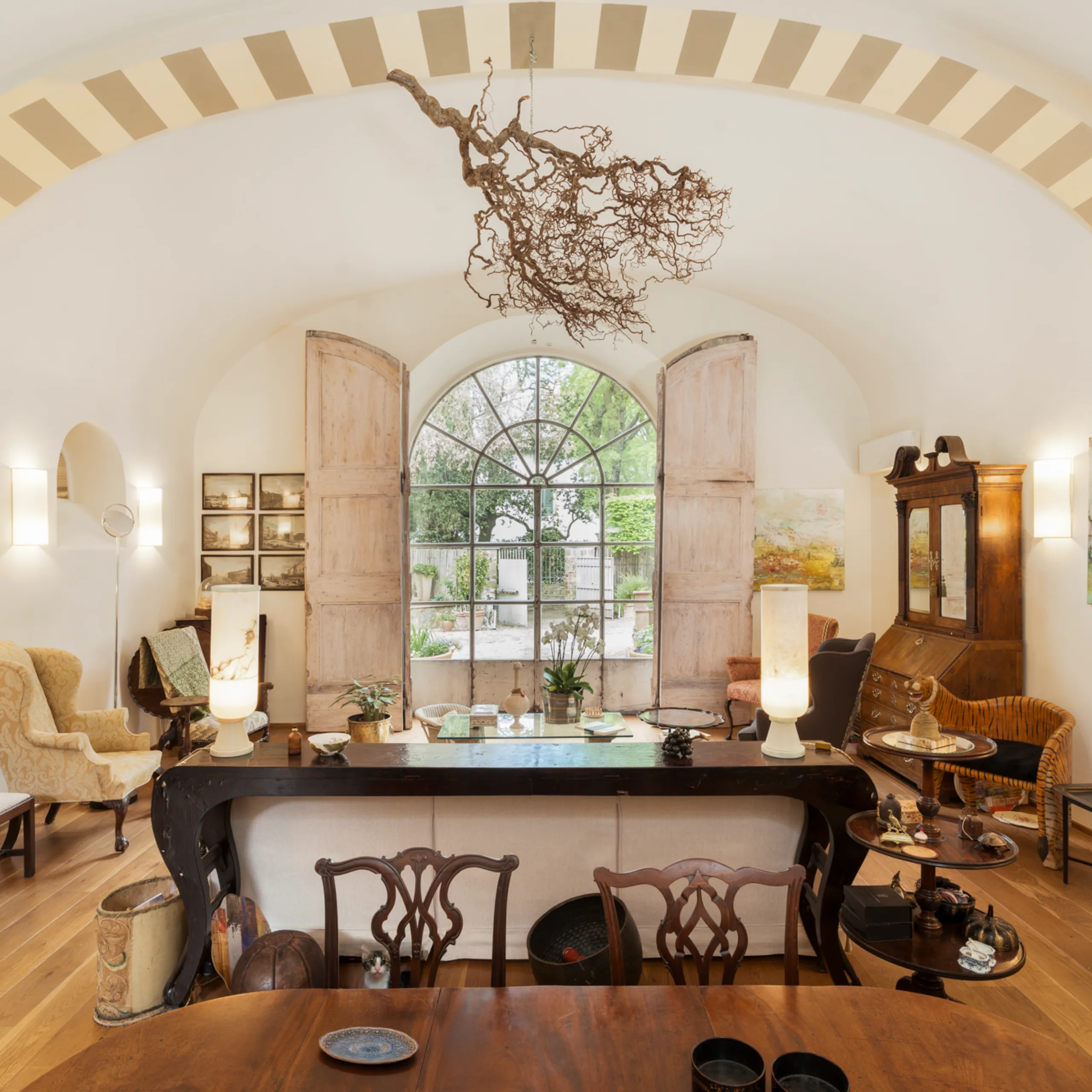
Artist Elizabeth Orchard finds inspiration in the beauty of Italy and her Florentine home and garden
06 August 2026
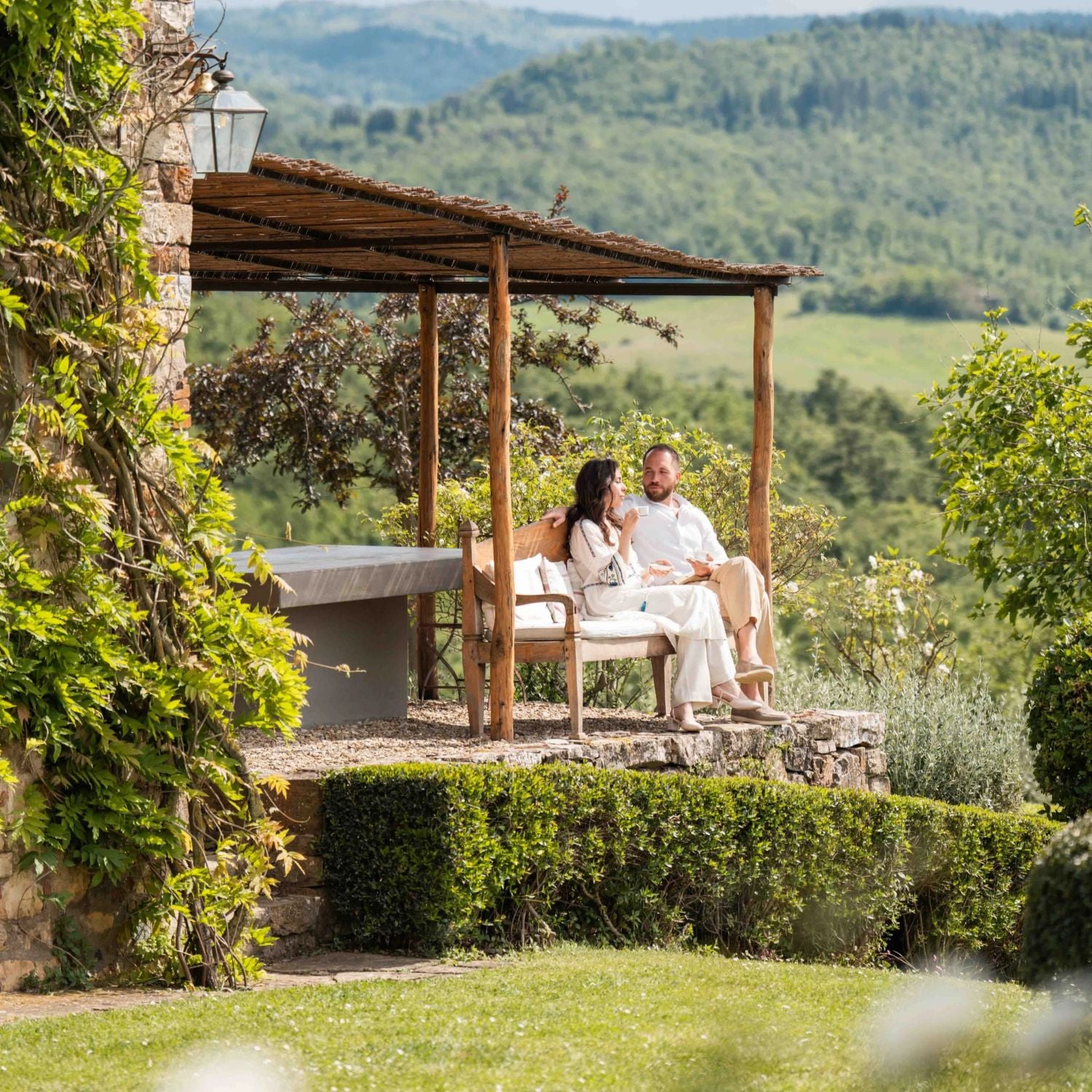
Bill Thomson, Chairman of Knight Frank's Italian network, highlights the important considerations for those setting out to buy an Italian home
06 August 2026
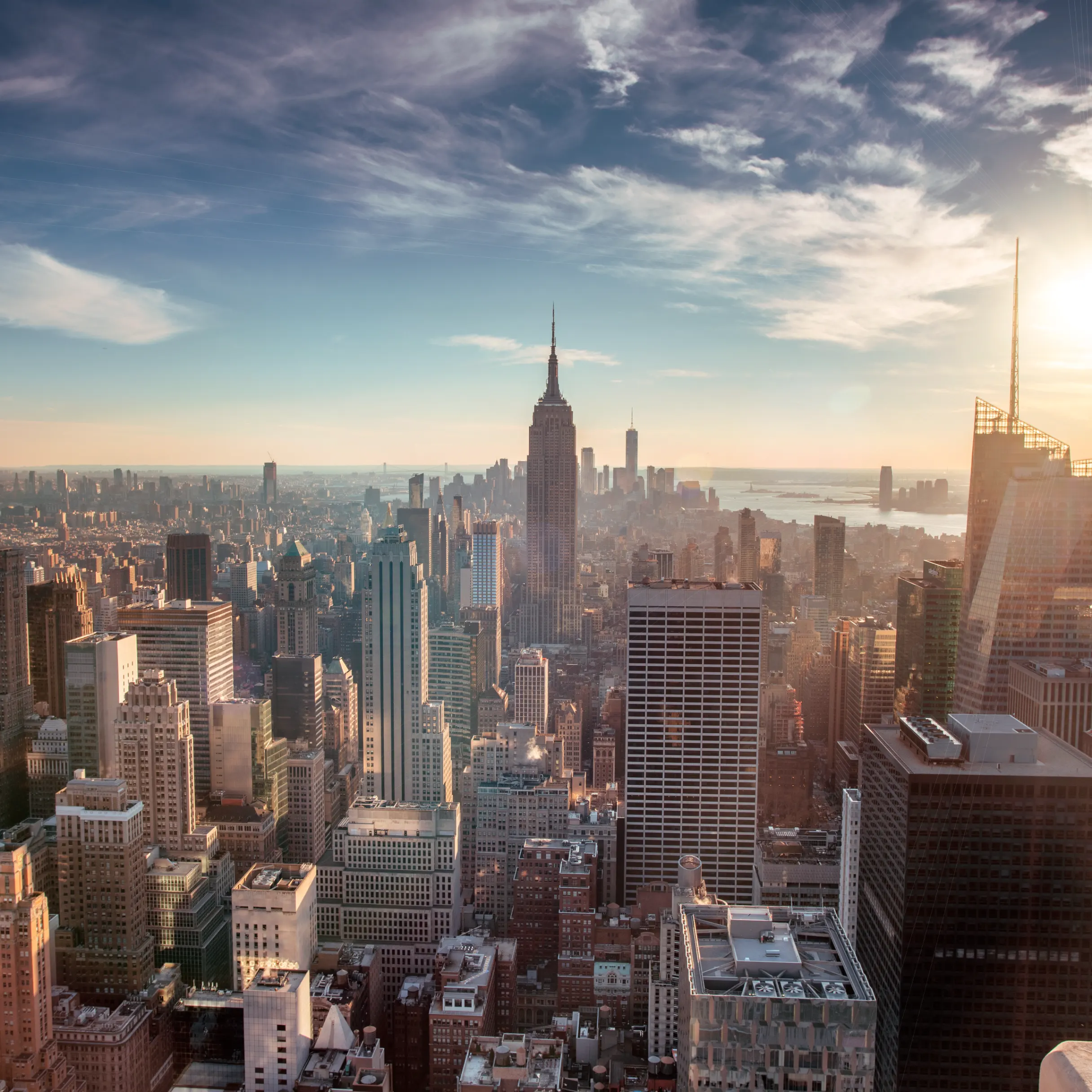
As brought to life in The Devil Wears Prada 2, we delve into the destinations where fashion, film and prime property meet
01 June 2026
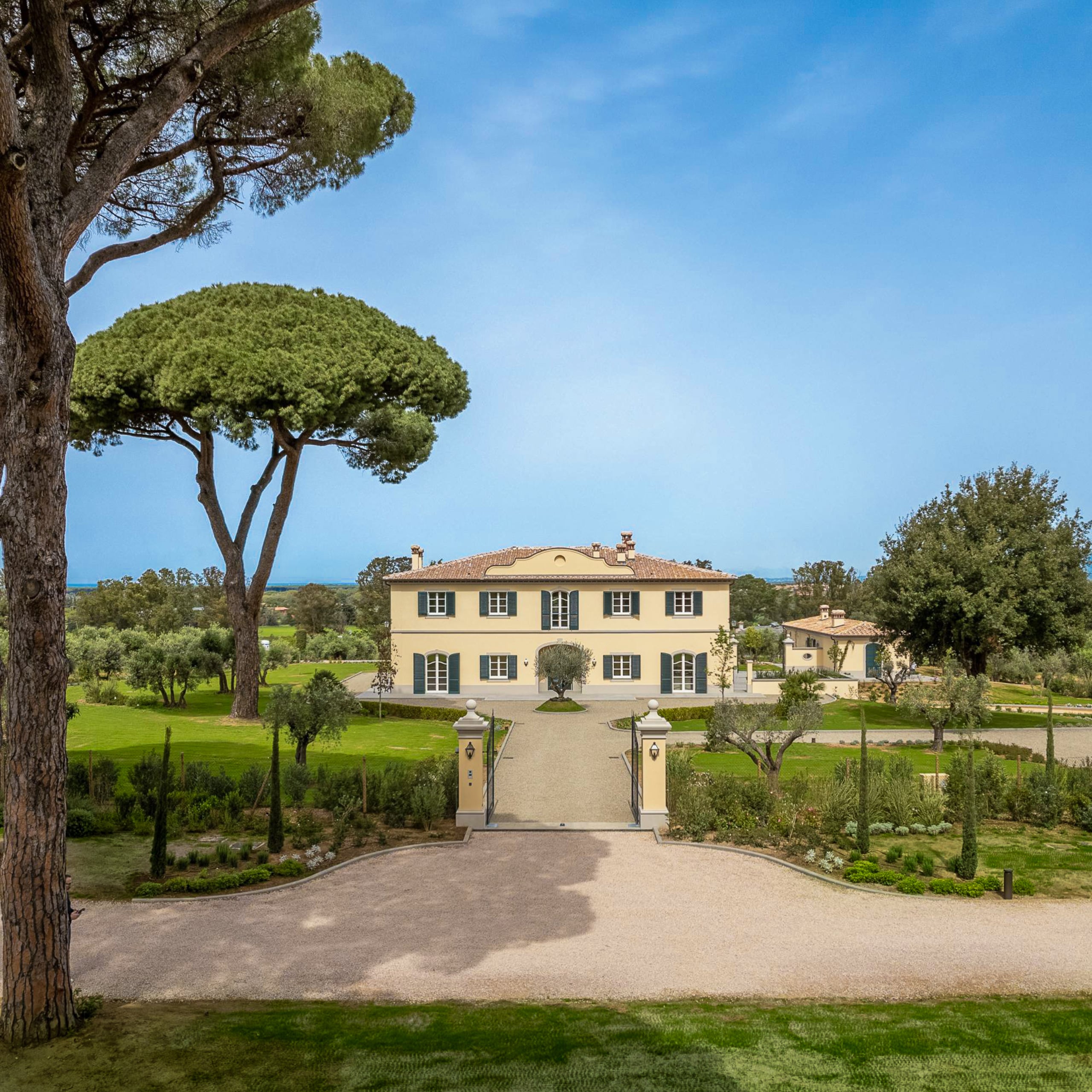
Rising global mobility is accelerating interest in Europe’s countryside regions, where quality of life and long-term value take centre stage.
27 April 2026
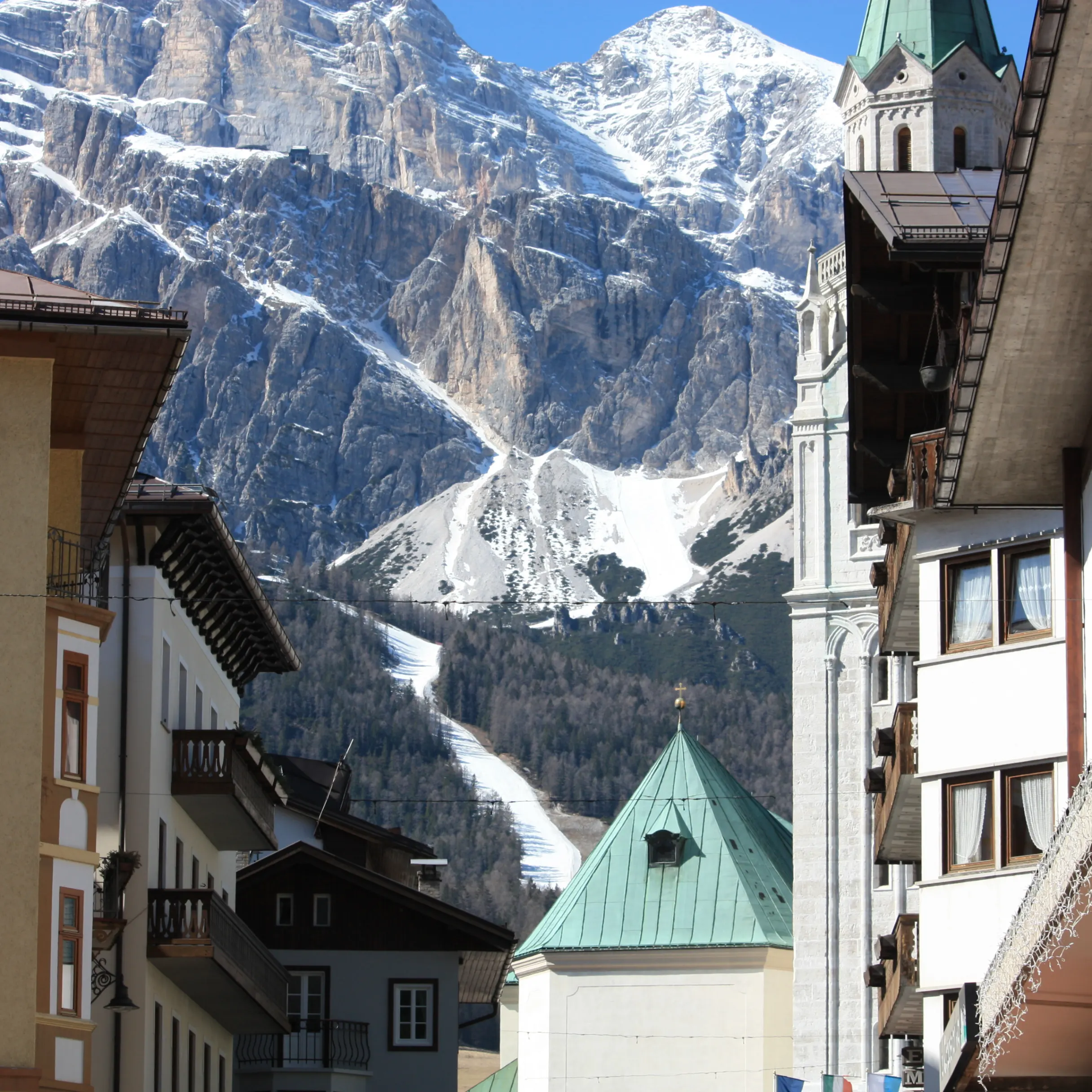
With a global spotlight on Cortina, its lifestyle and year‑round draw are lifting it into Europe’s top tier of ski property markets
09 February 2026
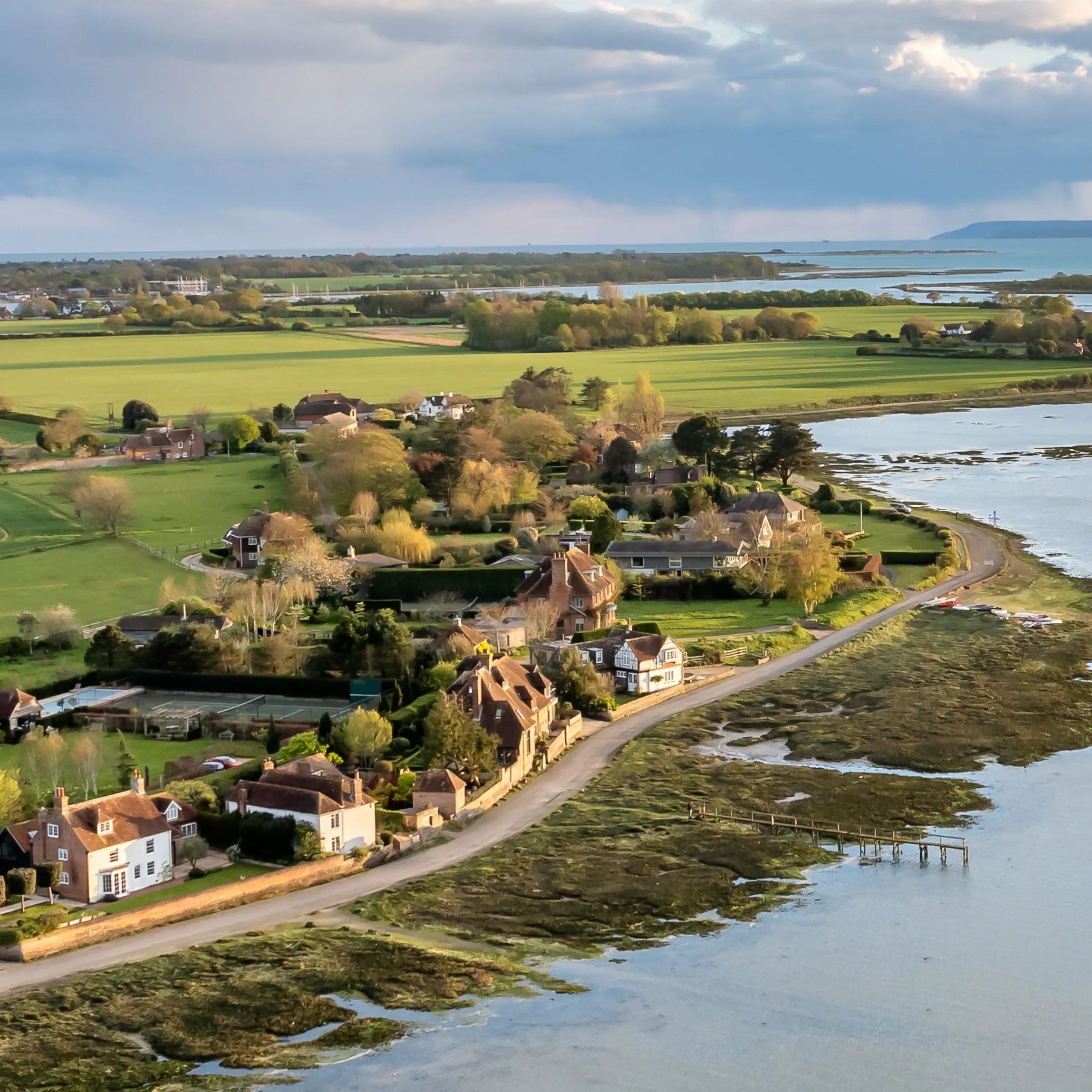
From Dorset and Devon to London to Lake Como, these waterfront properties offer an unparalleled lifestyle by the water
29 January 2026
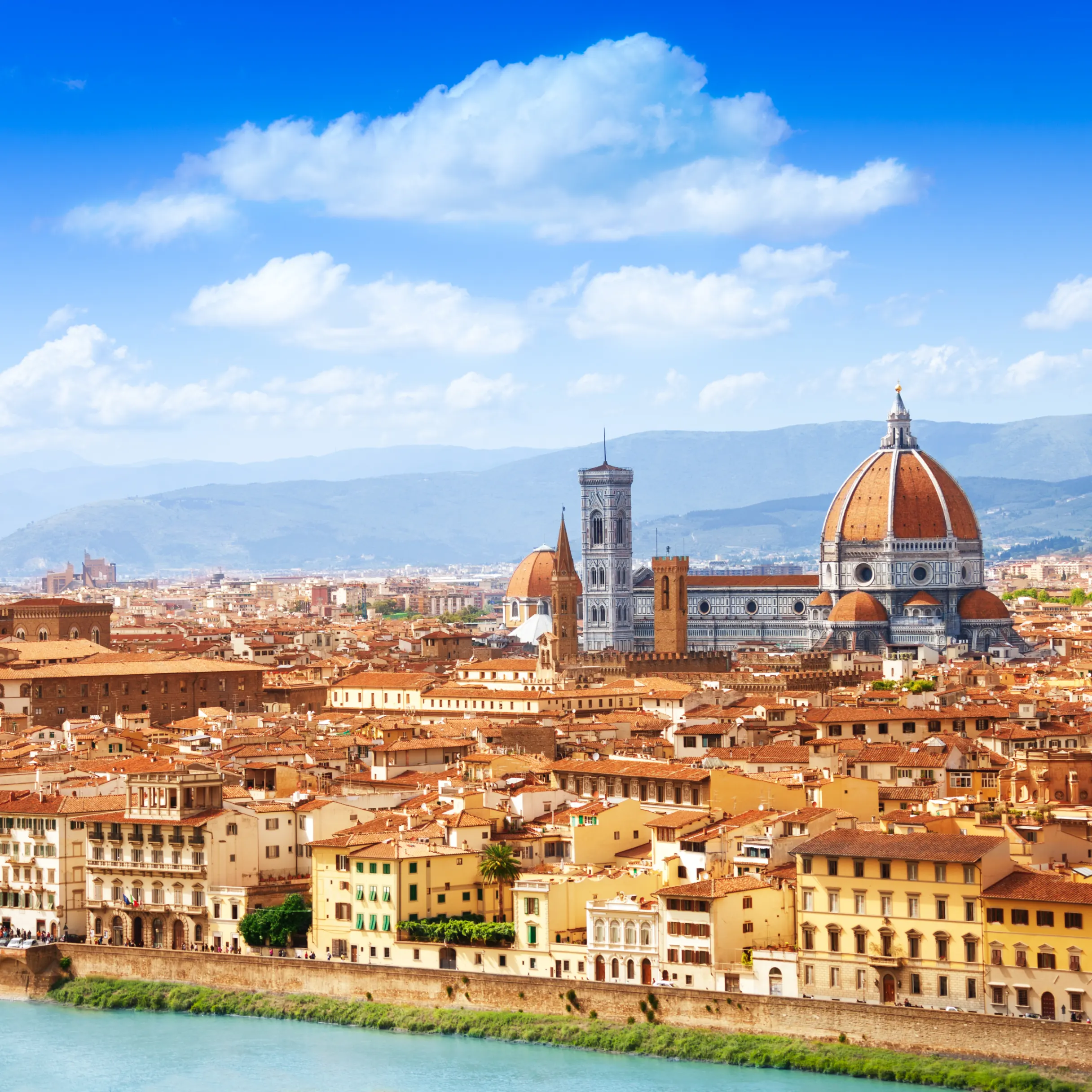
After a year of fiscal reforms and shifting tax landscapes across Europe, we take a look at the main trends and locations set to influence buyers in the year ahead
19 December 2025
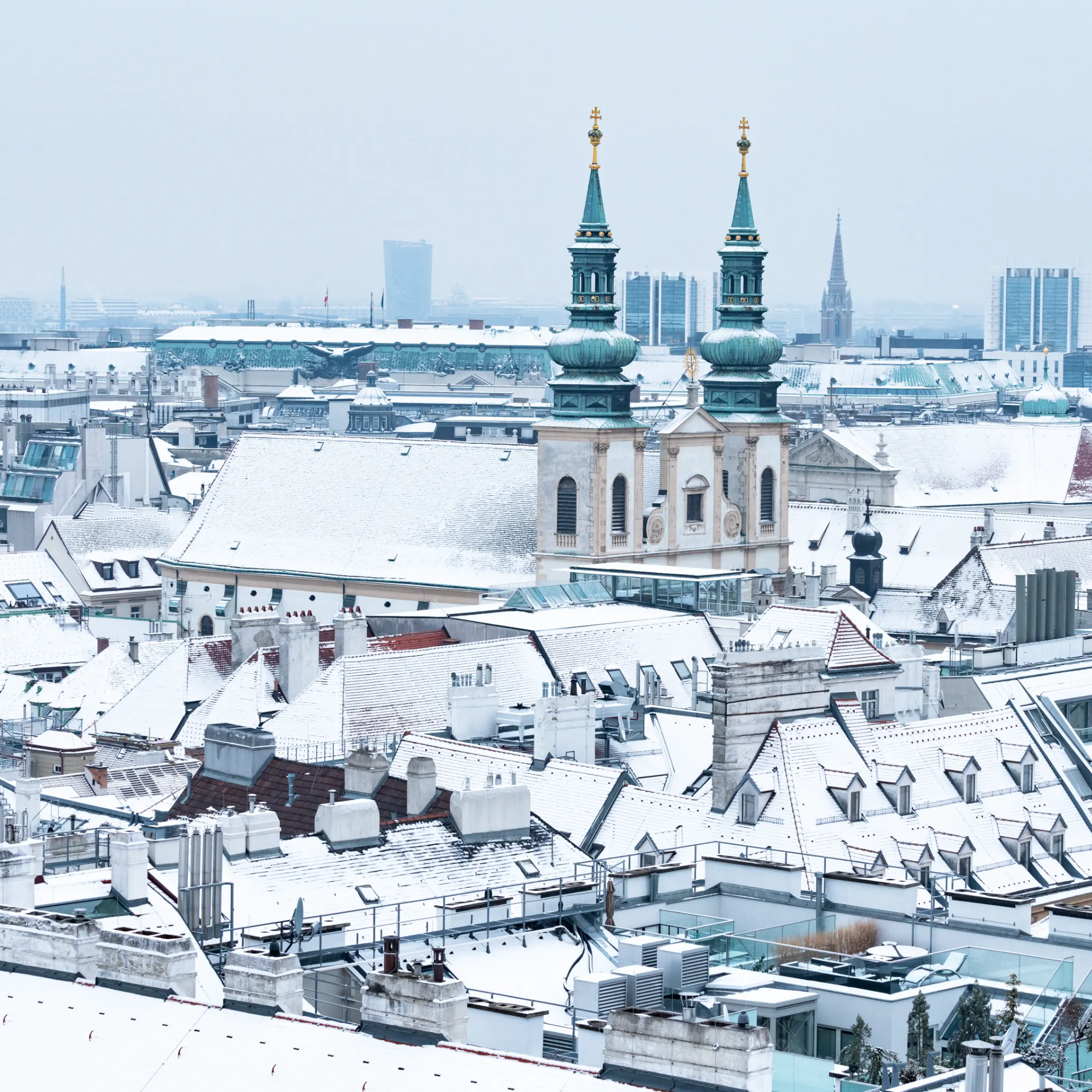
As winter approaches across Europe, we explore five cities at their most captivating - and the best-in-class homes that reflect their charm
18 November 2025
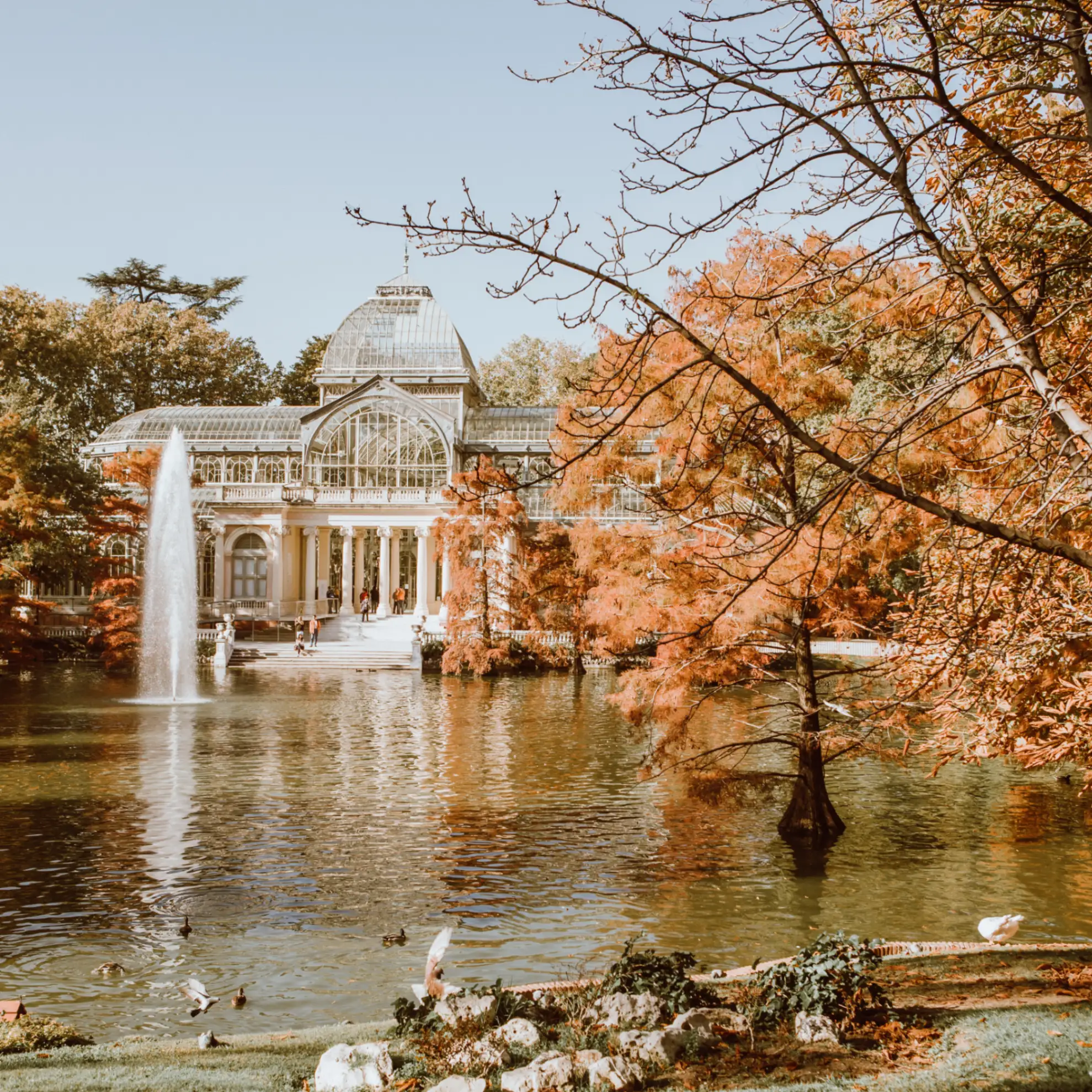
As the seasons change, explore four European cities and their properties that offer a winning end of year lifestyle
22 October 2025
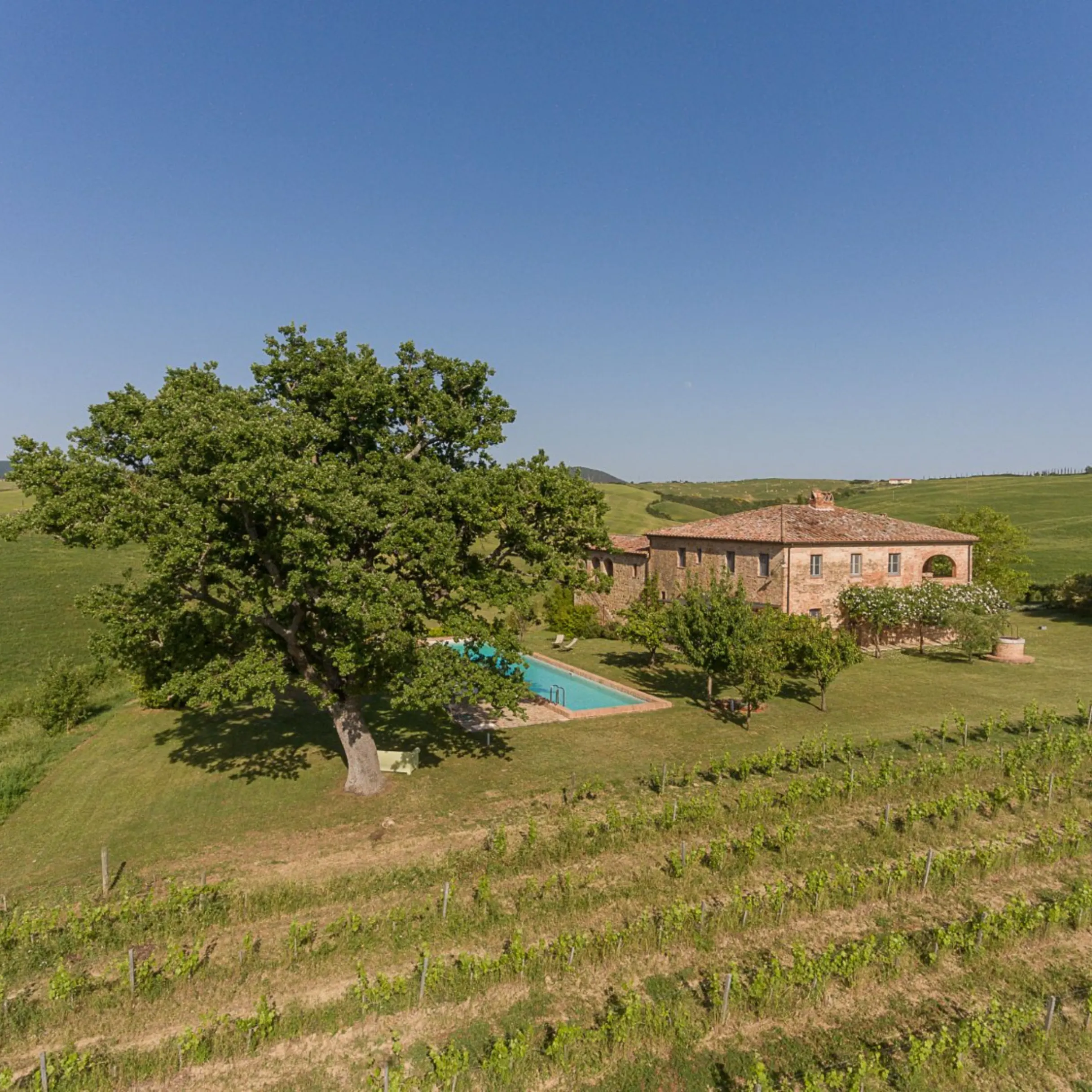
High-net-worth individuals are turning to Europe’s non-urban locations - from tranquil countryside to Alpine retreats - in search of lifestyle, privacy and long-term opportunity
29 August 2025
Sorry!
An unexpected error has occurred.
Please try again later.