The market split: accessible destinations take on scarcity-led prime resorts.
Buyers are still prepared to pay for top locations, but price growth is increasingly being driven by individual resort characteristics rather than a broad-based mountain boom.
Average prime prices are up 3.2%, but the gap between the highest and lowest performers is growing.
Davos and Andermatt are the standout performers, with annual prime price growth of 14.5% and 12.5% respectively.
Cortina d’Ampezzo is riding its Olympic wave and sits in third place, with prime prices rising 10%.
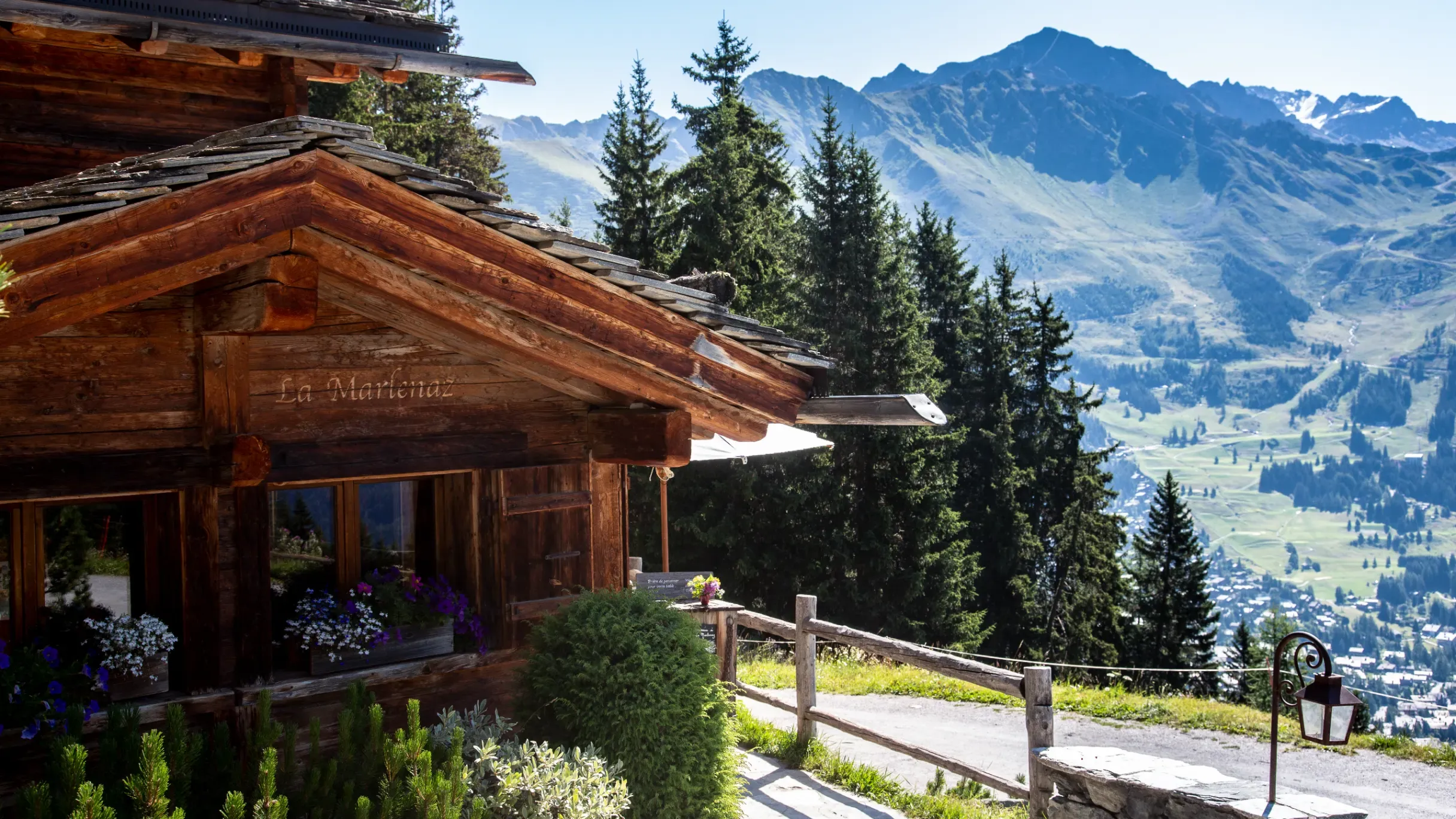
Verbier and St Moritz remain heavyweight markets, with prices up 6.7% and 3.7% respectively, although their super-prime segments have arguably outpaced their prime markets. Gstaad still commands the highest prices, although values fell 2.6% over the year.
The French market saw solid growth, with Courchevel Village, Courchevel Moriond and Val d’Isère leading. Courchevel 1850 saw more modest growth, while prices in Chamonix, Méribel and Megève were largely unchanged year-on-year.
Priority pass: the ski price gap
Ski pass prices vary significantly, with the US considerably more expensive than Europe and Japan.
A week on the slopes costs $430 in Verbier, compared with $959 in Aspen, for example.
At the same time, the rise of global season passes such as Vail Resorts’ Epic Pass and Alterra Mountain Company’s Ikon Pass is increasingly linking previously distinct ski markets, encouraging skiers to visit multiple destinations across North America, Europe and Asia.
Liam Bailey is Global Head of Knight Frank’s Research Department, leading the firm’s global research strategy and overseeing projects across the UK and international markets.