The cool hunters: how climate change is redrawing the winemaking map
Producers and investors are looking upwards – towards cooler, higher vineyards, emerging regions and the sites that could become the great terroirs of the future.


Producers and investors are looking upwards – towards cooler, higher vineyards, emerging regions and the sites that could become the great terroirs of the future.
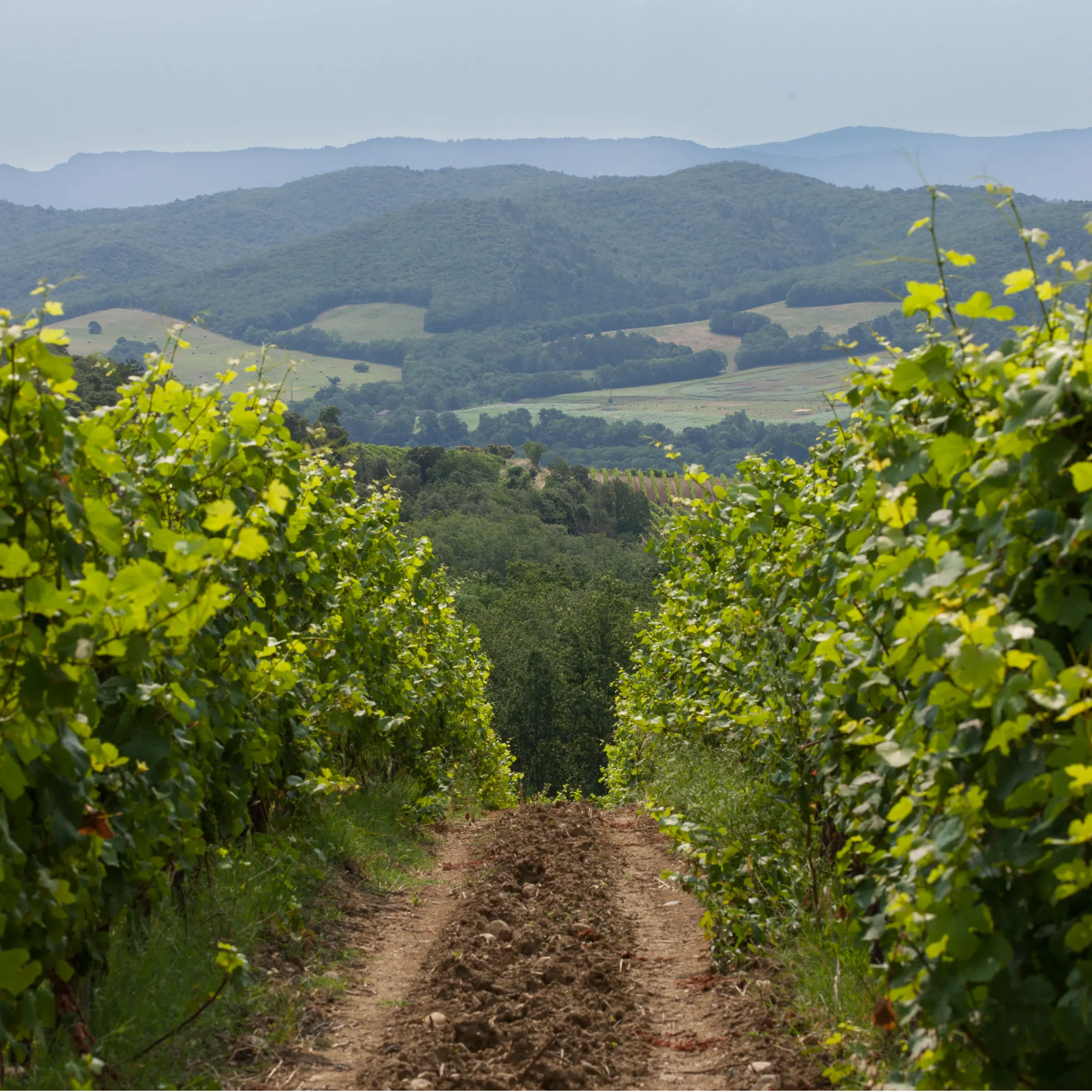
This year, France endured its hottest summer since records began.
Heat and drought damaged vines across the country and are expected to reduce national wine production to 17% below the recent five-year average, while Champagne’s crop is forecast to be almost half last year’s size. Harvests have advanced nationwide by around three weeks over the past 50 years.
The danger isn’t simply smaller crops; it’s wines becoming higher in alcohol, lower in freshness and less balanced – just when consumer taste is moving towards lighter, fresher styles.
“This year was extreme,” says Alex Hall, Knight Frank’s Head of International Vineyard Services. “2026 has focused minds considerably. When talking vineyards, climate is now an inevitable part of the conversation, which it simply wasn’t five years ago.”
Yet the effects of warming aren’t always negative. A few hundred kilometres north of Champagne, England’s producers aren’t immune to the challenges of climate change, but many are talking not of crisis but of potentially exceptional fruit.
A study published in Agricultural and Forest Meteorology in March 2026 suggests rising temperatures will push viable vineyard conditions not only northwards but also to higher elevations.
Moving north isn’t necessarily a simple alternative: greater humidity in some recently warmer regions could increase disease pressure, making higher sites within established wine regions particularly interesting.
Change is coming – but it’s likely to be slow. “In wine, nothing happens fast,” says Hall. “A 15-year lease may sound long in another industry; in wine, 30 years can be entirely normal.”
But some already have a head start. Spanish giant Familia Torres has been pursuing a strategy combining different grape varieties with higher, cooler vineyard locations for some time. At Tremp in the Catalan Pre-Pyrenees, Torres now grows vines at around 950m. The company also works at high elevation in Priorat and owns land at Benabarre in the Aragón Pyrenees at 1,200m – too cold to plant today but held for the possibility of future viticulture.
Gaja has been pursuing a similar strategy in Italy. A decade ago, the Piedmont producer acquired around 30 ha at Trezzo Tinella in the Alta Langa hills, markedly cooler than its traditional Langhe sites. They have applied the same logic further south in Montalcino. In 2019, it bought five hectares at Bolsignano at about 400m; in 2020, it acquired another five hectares near Passo del Lume Spento, at about 630m. Gaia Gaja has described the purchases explicitly as a response to climate change.
New investors are thinking along the same lines. “I have an investor interested in Montalcino, but he will only look at sites above 350m,” says Hall. “He’s excluding much of one of the most famous wine areas in Italy because he believes that higher sites are the future.”
In the small Loire appellation of Côte Roannaise, growers say climate change is threatening the freshness that distinguishes their red and rosé wines.
They’ve asked France’s appellation authority, the INAO, to revise the permitted parcel boundaries to encompass suitable higher, cooler sites – the first request in France to revise an appellation’s boundaries specifically in response to climate change.
In Burgundy, the Horizon Hautes-Côtes initiative is examining the higher country west of the Côte d’Or, historically regarded as less reliable because its cooler conditions made ripening more difficult. More than 1,800 ha are already under vine, while AOC eligibility extends across a further 2,600 ha that aren’t currently planted.
As Burgundy warms, the very characteristic that once put the Hautes-Côtes at a disadvantage is becoming more valuable. Leading Côte d’Or producers including Domaine Leflaive, Emmanuel Rouget and Sylvain Cathiard are already working there.
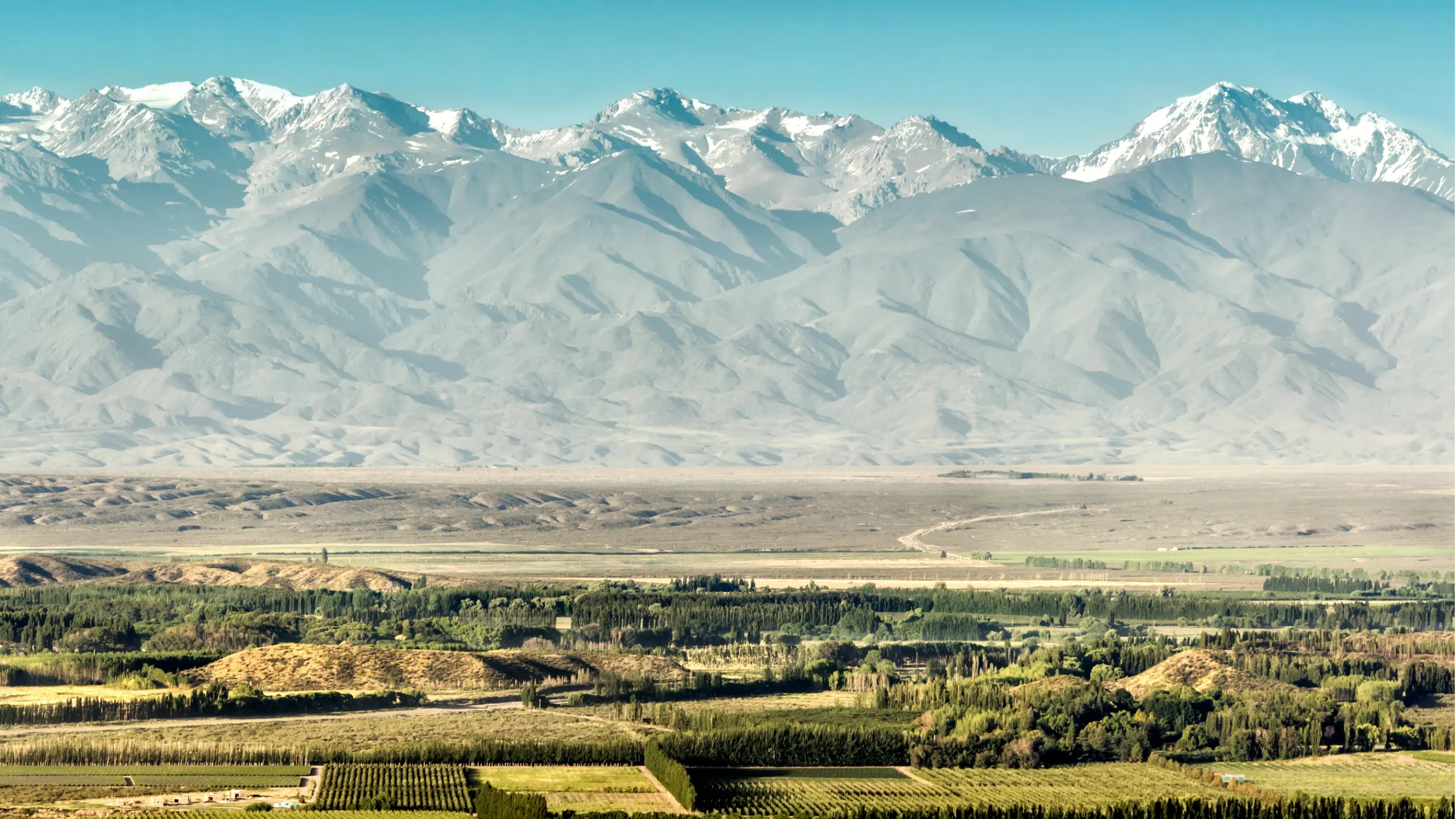
Elsewhere, altitude has long been central to the story. From the 1990s, producers in Mendoza’s Uco Valley including Nicolás Catena began planting at elevations then considered extreme: Catena’s Adrianna Vineyard sits at 1,450m. Producers have continued exploring higher sites, up to 1,700m in San Pablo, an altitude that would’ve seemed almost inconceivable a decade ago.
The qualities that once made such areas marginal – elevation, remoteness and dramatic terrain – can also make them attractive places to visit.
As Mendoza’s reputation has grown, so too has its tourism sector, with Vogue recently highlighting it as a global wellness hotspot. Architecture-led wineries sit against the Andes, while vineyard resorts offer gastronomy, outdoor experiences and spas.
Etna – where DOC vineyards run to 1,000m-plus – provides perhaps Europe’s most compelling take on the same formula. Its modern renaissance accelerated around the turn of the millennium. According to Decanter, in 2009 vineyard land on Etna could be bought for around €40,000 ($46,400) per hectare; by 2019 it was around €150,000 ($173,900) per hectare – if you could find any for sale.
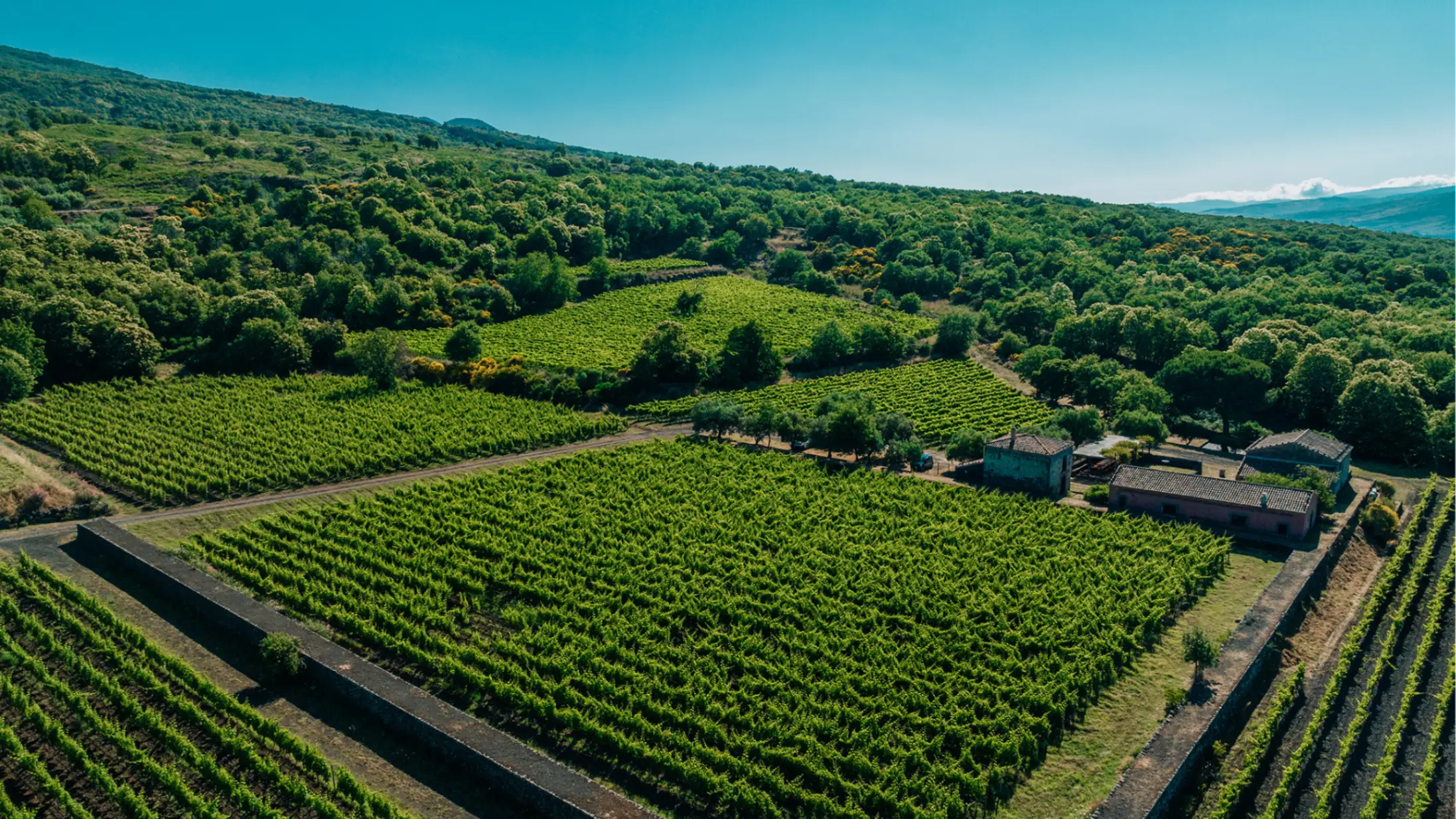
Just as in Mendoza, vineyard accommodation, winery restaurants and tasting rooms sit alongside the attractions of the volcano itself, the eastern Sicilian landscape and nearby Taormina.
At the extreme end, Yunnan demonstrates just how far the combination of altitude, wine and destination-building can go. LVMH’s Ao Yun works with vineyards above 2,000m in the Himalayan foothills.
Nearby, Songtsam Lodge Cizhong reopened last August as a 26-room wine-focused mountain lodge in the UNESCO-listed Three Parallel Rivers region. “These are all pretty cool destinations in and of themselves,” says Hall. “Add talented winemakers producing distinctive wines and that’s a really cool story.”
Clearly, not all wine will head for the hills. Height brings its own risks: frost, difficult access, water constraints and higher costs.
Nor is every hillside suitable for vines or will centuries of reputation suddenly cease to matter. But altitude is an increasingly important part of an evolving wine story.
As the climate changes, the assumptions that once determined which land was marginal and which was prime are shifting with it. Hall says, “Buying a recognised appellation and expecting the name to sell the wine is no longer enough. Owners need to think about climate, wine style, brand, distribution and the experience surrounding the property.”
Liam Bailey is Global Head of Knight Frank’s Research Department, leading the firm’s global research strategy and overseeing projects across the UK and international markets.
 |
Discover the altitudes where new vineyards are being planted |
|
Learn the characteristics of emerging regions |
|
Find out the impact higher altitudes have on taste |
|
Explore the seven wine regions on the up |
Speak to one of our experts for insight from soil to cellar.
Gain insider resort tips from our experts, explore our alpine fact file, and access our comprehensive mountain events calendar.
Sorry!
An unexpected error has occurred.
Please try again later.