Clubs go country: how private members' clubs are making rural moves
A new generation of private members’ clubs is heading for the countryside, bringing with it luxury hospitality, wellness – and a growing influence on local housing markets.


A new generation of private members’ clubs is heading for the countryside, bringing with it luxury hospitality, wellness – and a growing influence on local housing markets.
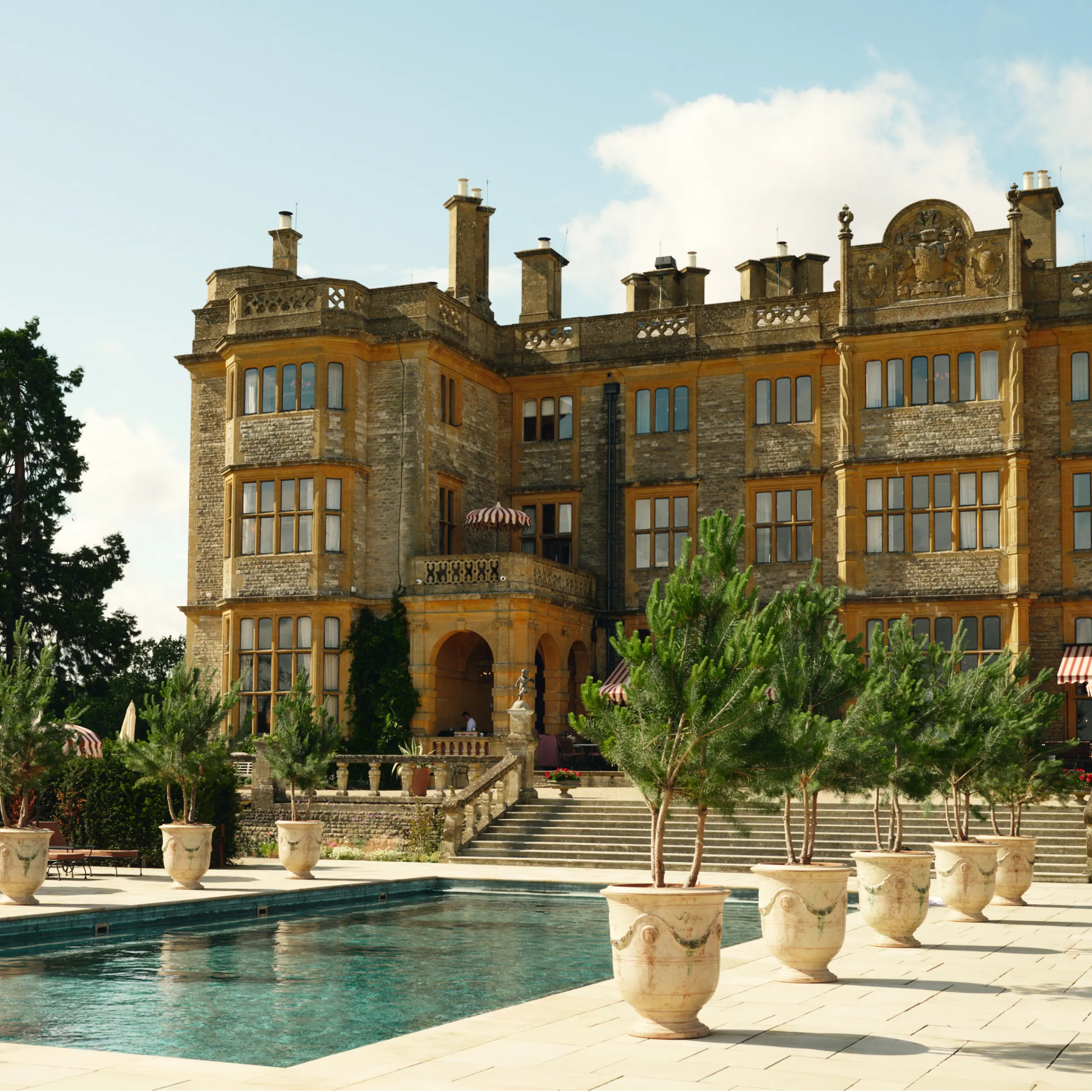
Hospitality group Nobu has built its name in the world’s wealthiest destinations. Its latest bet, however, is on the rolling countryside of Rutland, England’s smallest historic county.
Here, Nobu is partnering with local private members’ club Woolfox to create a members’ club, hotel and collection of branded residences. The project comes as a new generation of members’ clubs looks beyond cities, taking the model traditionally associated with wealthy urban enclaves into the countryside.
Rutland “presents a rare opportunity to bring the brand into a completely different setting – one centred on nature, wellbeing and a slower pace of life,” says Trevor Horwell, CEO of Nobu Hospitality.
Nobu Woolfox isn’t the brand’s only attempt at utilising its pulling power to establish relatively untested destinations.
On the low-density, lightly developed Caribbean island of Barbuda, the firm is building 25 beachfront residences within a 400-acre Nobu resort project. This “build it and they will come” model isn’t without precedent in the English countryside.
Access to sought-after clubs is increasingly shaping residential decision-making. The strongest evidence comes from the Cotswolds, where Soho Farmhouse – owned and operated by the Soho House group – Estelle Manor and Bamford’s Club have created a powerful “halo effect”. Demand for homes within a 15-minute drive of Soho Farmhouse is more than double the surrounding market, with 2.3 buyers registering for every one buyer in adjacent areas.
These locations attract new buyers, too. While around 12% of buyers across the wider Cotswolds come from overseas, that figure rises to 26% close to Soho Farmhouse, underlining the club’s appeal to affluent international purchasers.
The appeal is partly rooted in these clubs’ departure from the traditional country-house hotel, particularly in areas where the luxury hospitality offer is more limited.
While luxury country hotels have been “a huge growth market” for many years, “a lot of the original ones are quite conventional,” says Jamie Caring, a members’ club consultant and specialist in community building at Sevengage. “There’s still … a lack of really high end luxury contemporary experiences.”
Woolfox has a spa, indoor pool, sauna, gym and studio, alongside yoga, Pilates and other wellness programmes. Long Lane, a health-led hotel and club due to open in West Sussex later this year, takes the concept a step further. Described by The Times as “Soho House without the hangover”, the club will offer DNA testing to inform bespoke health plans, a “dark retreat” for silent meditation and a strict ban on alcohol.
The pipeline suggests the shift beyond the major cities has further to run. Caring confirms that a growing number of operators are looking to explore locations further afield. “The number of inquiries I’m getting for ambitious luxury community concepts that are not in London – or even anywhere near London – is increasing dramatically,” he adds.
Liam Bailey is Global Head of Knight Frank’s Research Department, leading the firm’s global research strategy and overseeing projects across the UK and international markets.
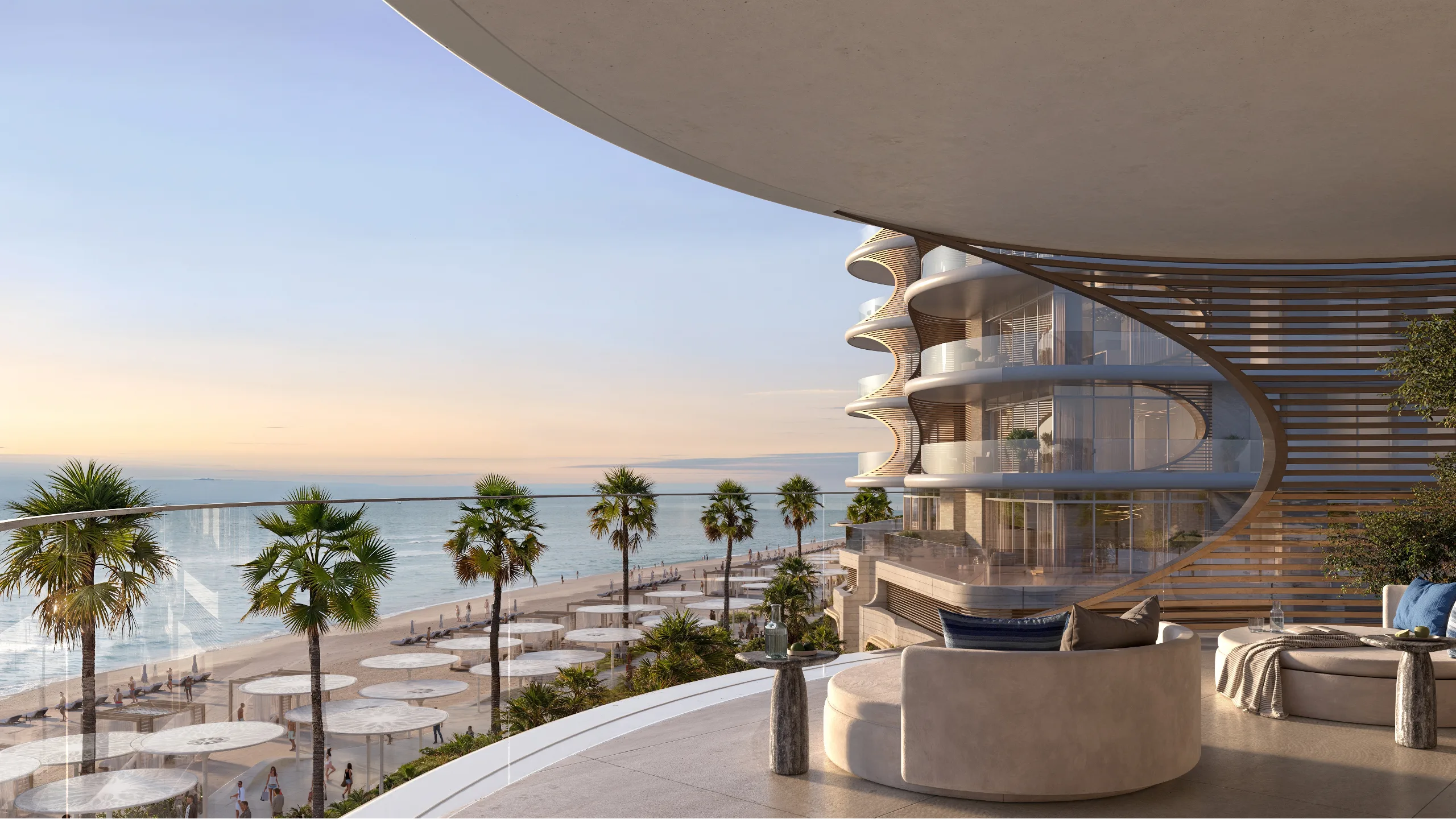
Our global Branded Residential Developments team offers seamless sales, marketing, distribution, and consultancy solutions. Fill in your details and we'll be in touch to discuss your needs.
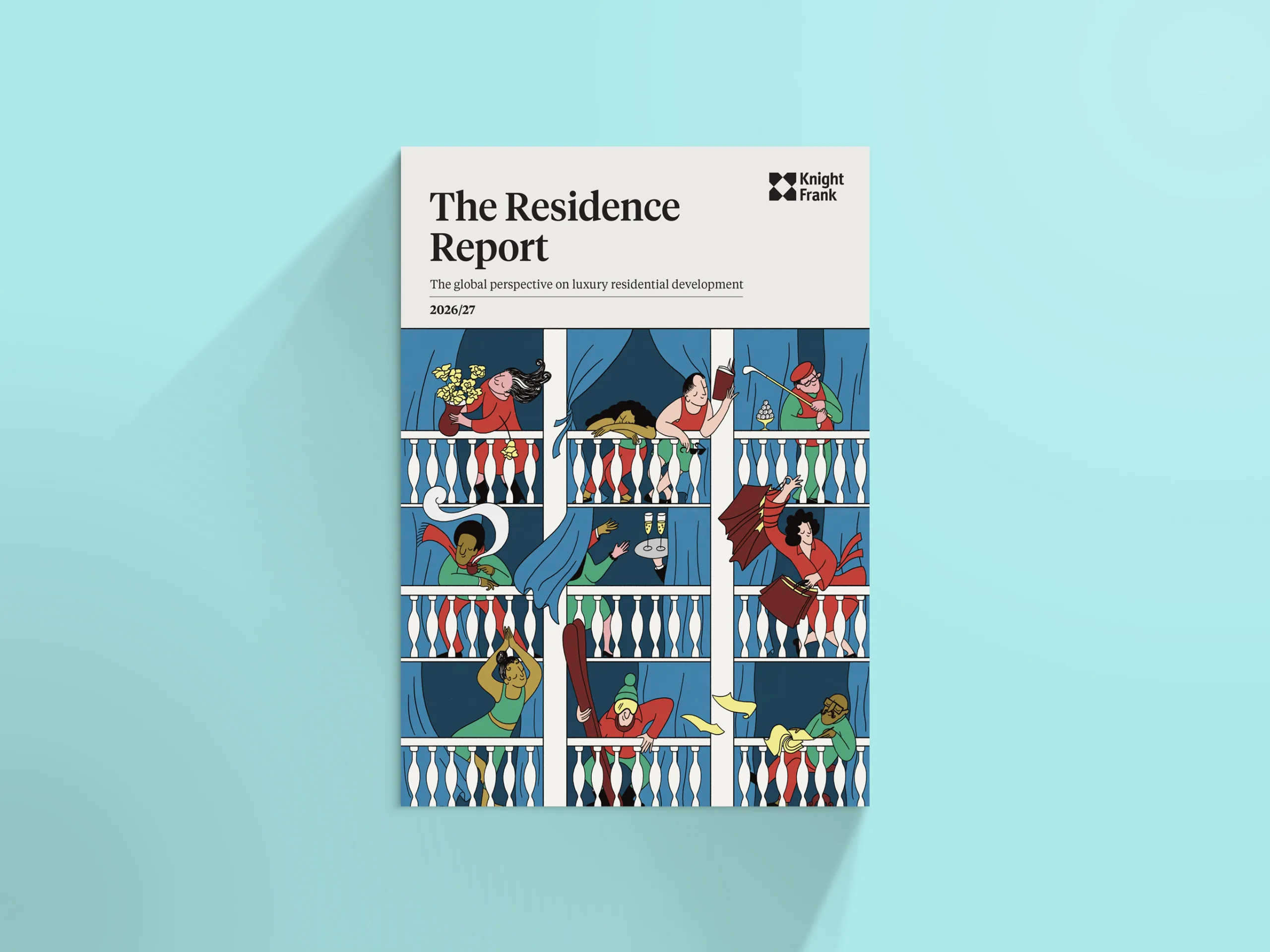
Delve deeper into the insights, access our comprehensive dataset, and explore future predictions from our team of experts.
Sorry!
An unexpected error has occurred.
Please try again later.