Luxury residences are shifting from standard amenities towards timeless experiences.
The future of luxury isn’t a simple story of experiences replacing possessions. Rather, it’s the sheer range of things competing for the attention of wealthy consumers – and the difficulty of impressing them.
Richer customers also don’t simply buy more of the same products. Instead, incremental wealth moves elsewhere: towards the helicopter, the football club, the exceptional trip or the villa in St Tropez.
Luxury developments switch from specification to depth
For developers, one implication of this is that specification alone is losing its power to differentiate.
Spa. Gym. Cinema. Private dining room. Residents’ lounge. Cold plunge. Each may be excellent, but at the upper end of the market they’re increasingly viewed as standard. Distinction requires more. Ariel Childs of Winkreative puts it succinctly: “Luxury is about depth.” That means depth of understanding of a place, of how something was made and why it belongs where it does.
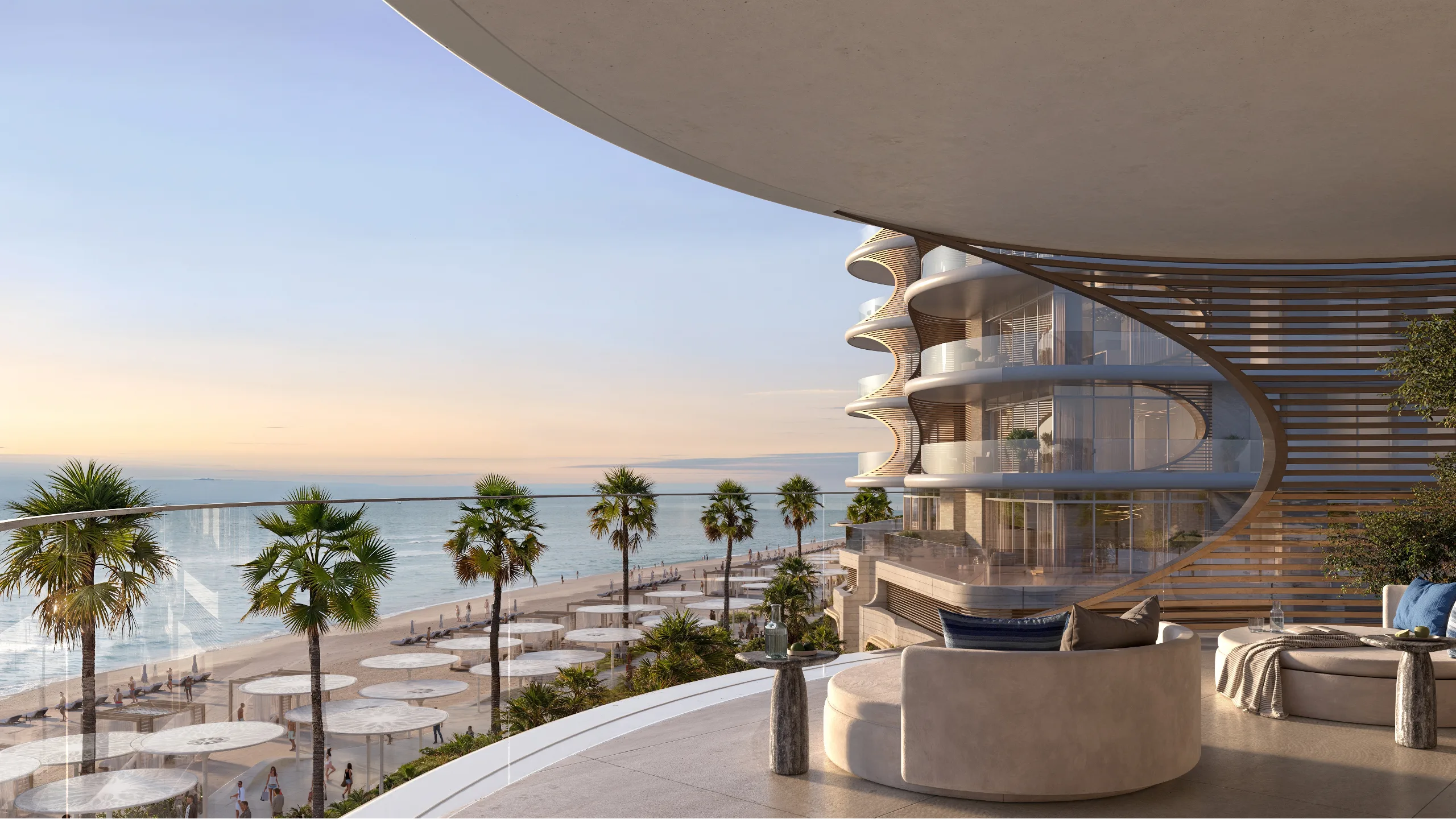
There will always be some real estate that inherently transcends standardisation. A genuinely exceptional site can’t be reproduced. Neither can a historic building, a mature landscape, a particular view or a neighbourhood with real cultural life.
Enduring design and exceptional locations outlast luxury trends
Another danger for developers is designing too precisely for the present.
“If all of the trends that are fuelling this were to become hilariously out of style in three years, would this property still have any compelling attributes?” asks Mark Schatzker, author of The Dorito Effect. His test is deliberately simple: timeless design, an exceptional setting, a great view and access to nature. The rest, as he puts it, may simply be “window dressing”.
That test also complicates the amenity arms race. Childs argues wellness, for example, should be embedded in the building itself. And, at the very top end, the building may increasingly need the confidence simply to be itself. Real estate can be luxury in its own right.
The importance of a seamless operating system
Luxury is shifting from hardware towards an operating system: not simply what the building contains, but how successfully it removes friction from everyday life.
Technology will inevitably play a larger role. Ana Brant of Cain is already working on systems in hospitality that can recognise a returning guest and put the relevant information in front of the right member of staff at the right moment. The challenge, she says, is to make the intervention “meaningful, not intrusive”.
As technology grows more powerful, the more important the role of human judgement becomes. At Belmond, Fiona Brockhurst, who oversees global private clients, distinguishes between understanding her guests’ “passions and not just their preferences”. Technology is making information ever more abundant, but this kind of judgement remains a scarce commodity.
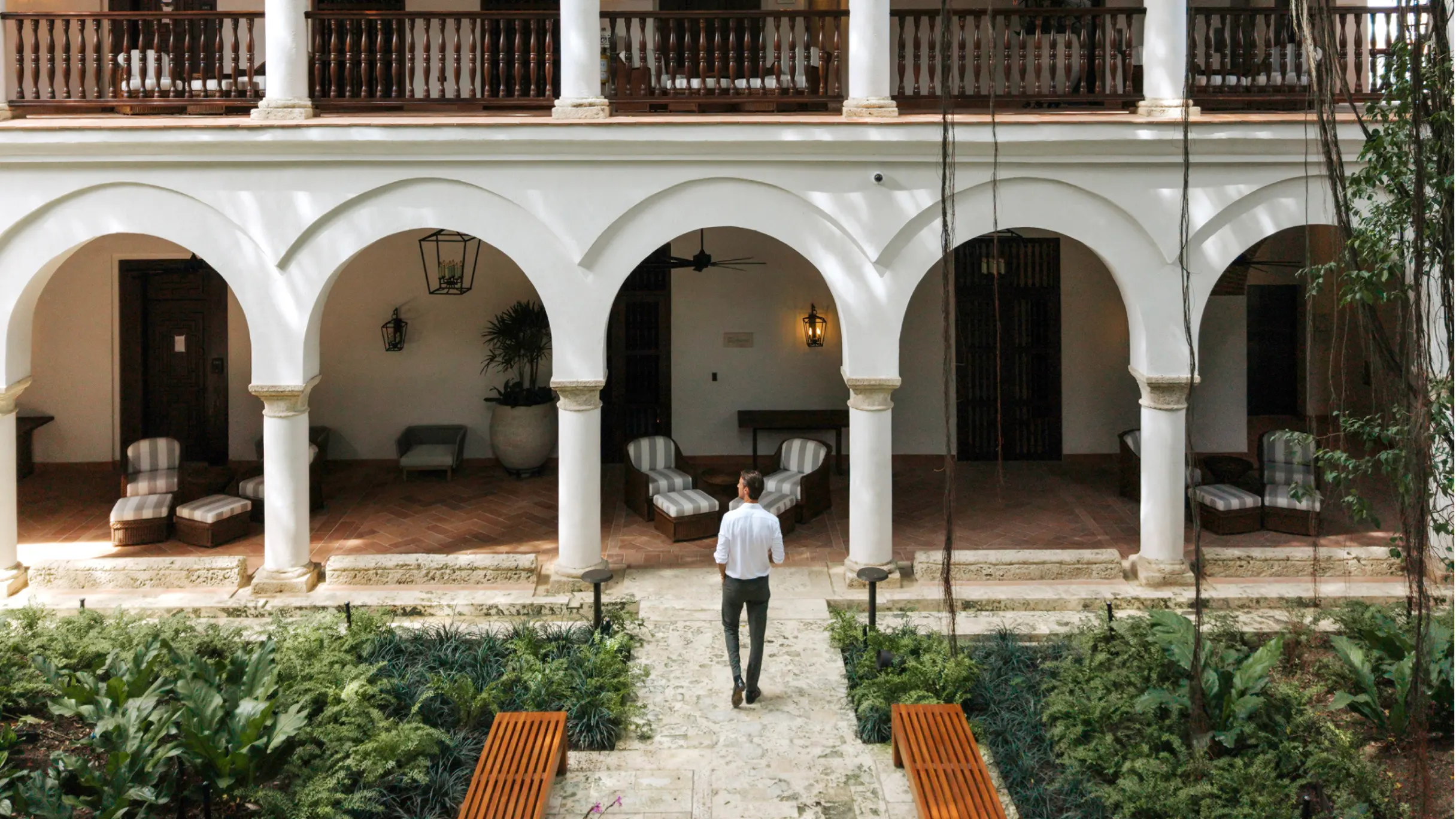
Human expertise remains a luxury hospitality differentiator
That scarcity creates perhaps the biggest constraint on the expansion of luxury.
“How many people can you train to deliver truly excellent service?” asks Luca Solca, Global Head of Luxury Goods Research at Bernstein. It’s a key question for developers moving further into hospitality-style service. As technology takes over routine tasks, Childs notes, the premium on relatable, human service is likely to rise.
This is where the tension with scale becomes acute. The characteristics attracting the highest premium – individuality, local knowledge, trusted relationships, genuine personalisation – are precisely those most likely to be weakened by standardisation.
The strongest brands may become more like curators: providing confidence, distribution and operational muscle while allowing individual places to retain their character.
The new wealthy buyer: same instincts, new signals
Status, belonging and distinction remain powerful human impulses. What’s changed is how they are signalled.
Harrison Hide, co-founder of the forthcoming Long Lane wellness members’ club and hotel, puts it bluntly: “Status has moved from what people own to how they live.” In his view, some of his target members would rather be the fittest person in the room than the richest.
Wellness, in other words, may be both a genuine change in behaviour and an evolution of an ancient instinct: the desire to possess something that’s difficult for others to obtain. But even wellness risks becoming another standardised package. Once everybody has the gym, spa, longevity programme and cold plunge, distinction shifts elsewhere.
Why the most valuable luxury assets can’t be copied
For luxury residential developers the question isn’t whether to add more experiences, more wellness or another members’ club, but what, within a particular development, genuinely resists replication.
It might be the site, a service culture built over decades, privileged access to a place or the ability to assemble an unusually interesting community. It may be the confidence to recognise not everything needs to scale.
The harder luxury becomes to distinguish by price or physical specification, the more value migrates towards things money alone can’t instantly manufacture: time, trust, memory, judgement, privacy, belonging and a genuine sense of place.
The most successful luxury developments of the next decade may be those that resist the temptation merely to look expensive. They will create places that feel difficult to copy, places that could only exist here, with these people, and nowhere else.
Liam Bailey is Global Head of Knight Frank’s Research Department, leading the firm’s global research strategy and overseeing projects across the UK and international markets.