London’s next big thing: a new era for super-prime development
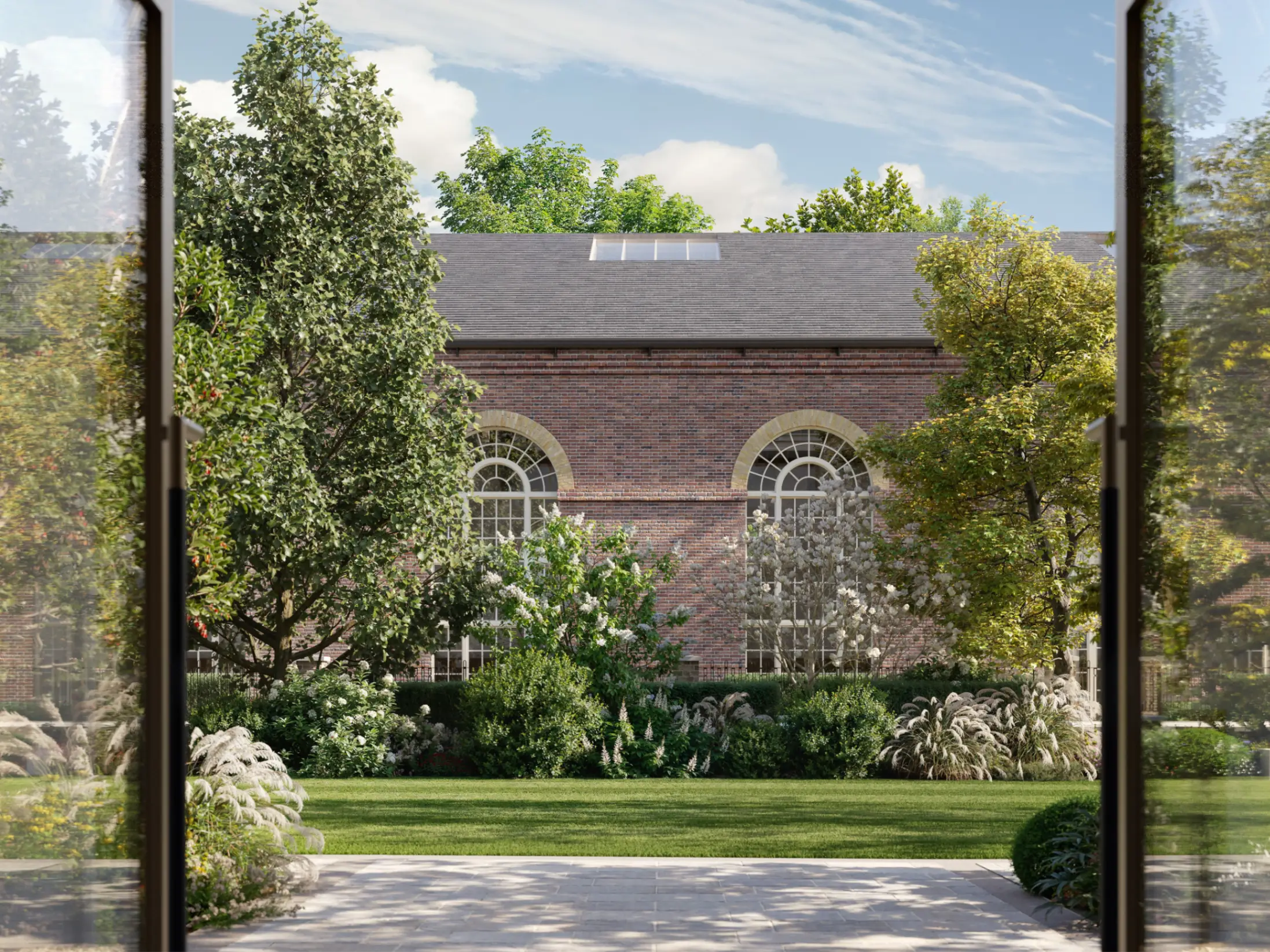
St John’s Wood Square looks both forward and back, offering a glimpse of London’s next development cycle while also being among the last of its handsomely proportioned kind.


St John’s Wood Square looks both forward and back, offering a glimpse of London’s next development cycle while also being among the last of its handsomely proportioned kind.

Surging build costs and tighter regulation mean few new schemes will be able to deliver homes on the scale of St John’s Wood Square.
The vast majority of luxury homes scheduled for London’s current development cycle are already complete. With completions due from 2028, St John’s Wood Square will be one of the first major schemes delivered in the next.
It will also be among the last of its kind. Planning rules adopted by Westminster City Council in 2021 introduced a 200 sq m limit on new homes across a borough that includes Mayfair, Belgravia and Knightsbridge.
St John’s Wood Square secured consent in 2015, making it the last scheduled development of its scale able to deliver apartments averaging 300 sq m.
“We’re in a unique position where our homes will be exceptionally rarefied, in a very discerning market,” says Gareth Stow, CEO at St John’s Wood Square.
“It’s probably the last super-prime scheme in London of any scale.”
Sales begin against a challenging backdrop as prices adjust and wealthy buyers spend more time abroad.
The 5.5-acre site, less than a kilometre from Regent’s Park, is the former home of St John’s Wood Barracks. Planning was granted in 2015, and by completion in 2029 the site will host 109 apartments and 11 townhouses, some spanning more than 8,000 sq ft.
Average prices for existing prime central London homes have fallen by almost a quarter since their most recent peak in mid-2015, following a succession of tax increases and periods of political uncertainty.
Image: Centre of attention St John’s Wood Square Riding School
Countries including Italy and the UAE have simultaneously introduced measures designed to attract internationally mobile wealth.
Some developers have adapted their strategies. At One Carrington Street in Mayfair, four homes had sold when the developer changed tack, moving the remaining 24 to the rental market. Twenty were let within weeks, leaving just four available.
Rents in prime central London have risen steadily for five years and are now 37% above their pre-pandemic level.
“A realignment of capital is under way at the top end of the market,” says Rupert des Forges, Head of Prime Central London Developments at Knight Frank.
“A lot of these buyers have reduced what they are going to spend here because of the cost of purchasing and sentiment towards wealth. Everybody is a lot more transient than they used to be.”
The development will combine hospitality-style services with extensive amenities while retaining its own identity.
St John’s Wood Square will be less reliant on overseas demand than many super-prime schemes. Stow expects around a third of buyers to come from the local area, with the remainder split between other London and international buyers.
“It’s a very discreet, unassuming but sophisticated market,” Stow says. “In this environment, it made sense not to lean on a hotel name; we want St John’s Wood Square to stand on its own merits.”
Yet, while the development will carry no hotel brand, it will offer many of the services and amenities associated with one. Staff from luxury hotel groups are being recruited to run The Riding School, a Grade II-listed building dating from 1825 that will be the centrepiece.
It will house a residents’ club with wellness facilities, a 20m swimming pool, sports facilities, private dining, a screening lounge and concierge service.
Another key selling point is the 2.6 acres of climate-resistant landscaped gardens, designed by nine-time Chelsea Flower Show gold medal winner Andy Sturgeon. Green space has become increasingly important for luxury developments, a shift accelerated by the pandemic and successive heatwaves across the US and Europe.
A small number of major schemes continue to test the market, with signs that buyers recognise the future supply of exceptionally large homes will be limited.
At Bankside Yards on the South Bank, Native Land’s 50-storey Opus has recorded more than £100 million in sales. At The OWO Residences by Raffles in Whitehall, a four-bedroom duplex is among the remaining homes at a development that is now 56% sold.
There are also signs of urgency among buyers seeking larger homes. At Cheval Residences Knightsbridge Gate, where apartments average 3,500 sq ft, seven sales have been agreed so far in 2026.
“The penny has dropped that the supply of really big apartments is going to dry up,” says des Forges.
Liam Bailey is Global Head of Knight Frank’s Research Department, leading the firm’s global research strategy and overseeing projects across the UK and international markets.
Our global Branded Residential Developments team offers seamless sales, marketing, distribution, and consultancy solutions. Fill in your details and we'll be in touch to discuss your needs.
Delve deeper into the insights, access our comprehensive dataset, and explore future predictions from our team of experts.
Sorry!
An unexpected error has occurred.
Please try again later.