A taste of place: how food and drink are shaping luxury residential developments
In an increasingly competitive residence market, drinking and dining are key ingredients for developers seeking new ways to add a distinctive flavour to their offer.


In an increasingly competitive residence market, drinking and dining are key ingredients for developers seeking new ways to add a distinctive flavour to their offer.
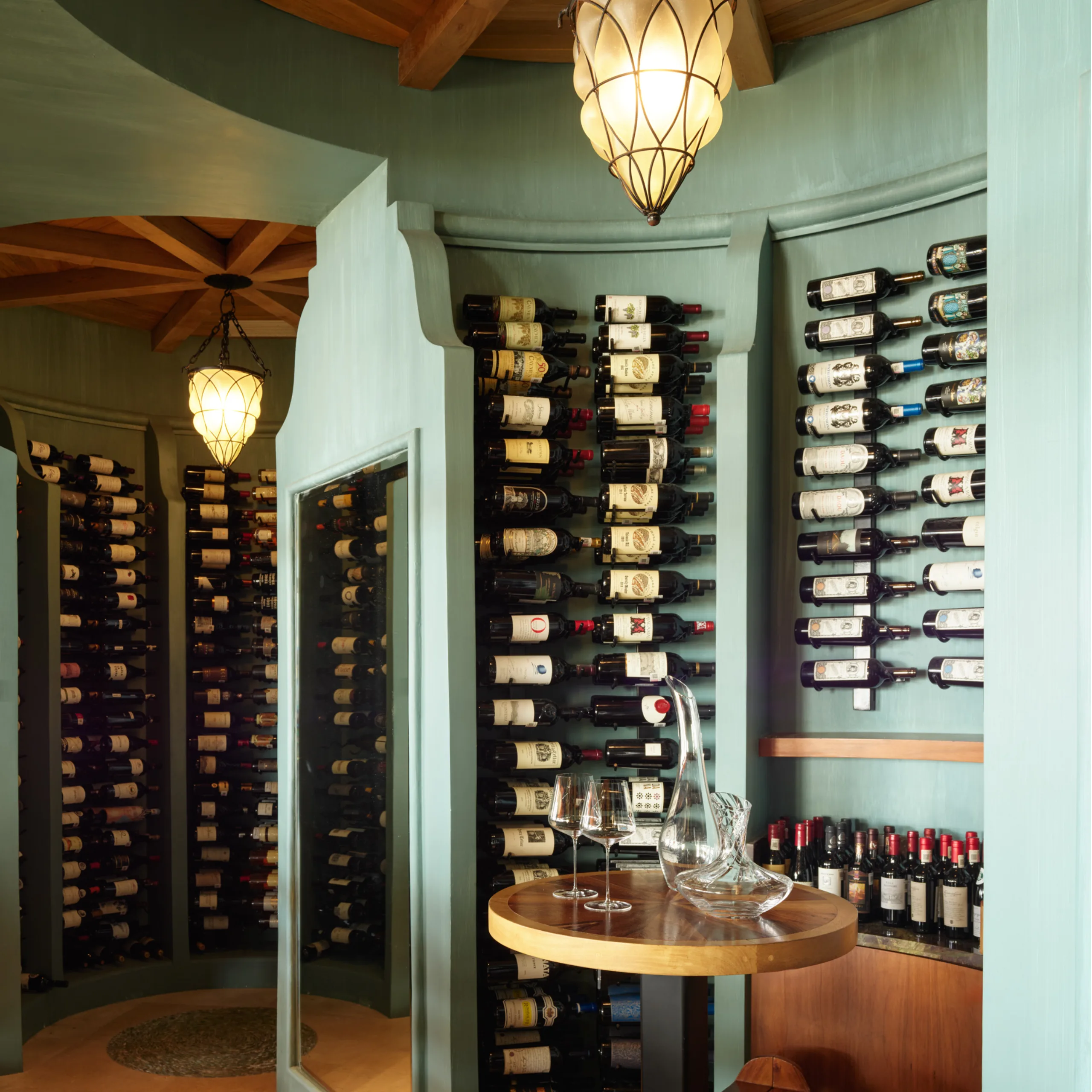
Enticing drinking and dining options continue to be fundamental to developments worldwide, helping to build identity and create spaces where people want to be.
Successful schemes often combine the reassurance of recognised, crowd-pleasing concepts with enough local flavour to create a tangible sense of place.
Witness Amanvari, recently opened on the eastern side of Los Cabos, Mexico. Alongside its signature Japanese and Italian dining venues, Sesui and Arva, it features seafront dining at Luma, with open-fire Mexican cooking and dishes inspired by local traditions.
It is a similar story around the coast at Waldorf Astoria Los Cabos Pedregal. Following a major refurbishment, its offer for guests and residents includes Mexican-led dishes at Travesía and Don Manuel’s, alongside tutored tastings of artisanal tequilas and mezcals in The Agave Study at Peacock Alley.

Food and drink can anchor a scheme in its location, whether by reflecting local culture or responding to the character of the surrounding neighbourhood.
At Four Seasons Resort and Residences Red Sea on Shura Island, the six restaurants and lounges are alcohol-free and halal, sending a clear message that this is a place in Saudi Arabia for Saudis, not just an international luxury retreat.
When Six Senses opened a London outpost in the Whiteleys building in Queensway, its destination-aware dining offer took a different approach. Whiteley’s Kitchen, Bar & Café adopted the modern British, slightly rustic style of fashionable venues in nearby Notting Hill, helping the development feel connected to its neighbourhood.
Image: Janu Tokyo, Japan
Local chefs, produce and growing spaces are becoming visible parts of the residential and hospitality proposition.
The farm-to-table idea remains a strong selling point. Six Senses Loire Valley opens next year on the Les Bordes estate and, while its restaurant offer is not yet confirmed, local chef Christophe Hay is being used prominently in the marketing. His two-Michelin-star restaurant Fleur de Loire is nearby, as is his farm with Wagyu cattle, vegetable patches and a citrus greenhouse.
Back across the Channel, Nobu is opening its first countryside retreat with Woolfox in rural Rutland. A Nobu dining room is a given, but it will likely be tailored to its surroundings, as Estelle Manor has done with restaurants featuring produce from its organic walled garden.

In global cities and resort markets, established restaurant brands can offer residents the reassurance of a familiar, crowd-pleasing concept.
Nobu is coming to Danang in Vietnam and to Nobu Residences 619 Brickell in Miami. The second Miami restaurant will sit at ground level, anchoring the 75-storey waterfront tower to its neighbourhood.
At Six Senses The Palm in Dubai, where the residences have already sold out, the development will include the London-based robata restaurant ROKA. In a city with an inherently international identity, the established concept has broad appeal.
The classic grill or steakhouse also shows no sign of losing popularity. When Four Seasons Cartagena opened in 2026, The Grand Grill from Mario Carbone became its key dining offer, alongside Bar Lelarge in the former Club Cartagena. The café also brings in local flavour through a list of Colombian roasts.
Restaurant groups are becoming more directly involved in developments, while food-led neighbourhoods offer residents places they can return to regularly.
Mario Carbone’s Major Food Group is already popular among developers looking for glamorous, crowd-pleasing concepts. At Villa Miami Residences, currently under construction, residents will have access to a two-storey restaurant and VIP benefits across the group’s wider portfolio.
Some residences are appearing within purpose-built neighbourhoods and vertical cities. Janu Tokyo combines Cantonese dining, a steakhouse and omakase within a wider hospitality and residential setting, while Fish Lane in Brisbane has created a collection of community venues ranging from East Asian restaurant Southside to Portuguese café Lisboa Caffe.
Sometimes, it is these low-key places that hit the mark. At Raffles OWO in London, Café Ciel offers a casual alternative from the team behind Miel. At 180 The Thames, Café Clement serves everything from scrambled eggs to Sunday roasts, while residents can stock up at the Corner Shop.
Contrast this with the recent closures at Mandarin Oriental Mayfair of Akira Back and Somssi by Jihun Kim, just weeks after the latter won a Michelin star. A Wong later filled the gap with a summer pop-up, but the way forward may be to keep it simple. An elaborate tasting menu is not always as useful as somewhere residents can visit for an effortless drink or weeknight supper with friends and family. For residences in particular, useful is arguably what matters most.
Low-key places for an effortless drink, coffee or weeknight supper can prove more valuable than high-concept dining.
At Raffles OWO in London, Café Ciel is a casual venue from the team behind Fitzrovia bakery Miel. At 180 The Thames, Café Clement serves everything from scrambled eggs to Sunday roasts, while residents wanting comfort food at home can stock up at the Corner Shop, the brainchild of designer Alex Eagle.
Contrast this with the recent closures at Mandarin Oriental Mayfair of Akira Back’s Japanese restaurant and Somssi by Jihun Kim, just weeks after the latter won a Michelin star. A Wong later filled the unexpected gap with a summer pop-up.
The way forward may be to keep it simple. An elaborate tasting menu is not always as useful as a place residents can visit for an effortless drink or weeknight supper with friends and family. For residences in particular, useful is arguably what matters most.
Liam Bailey is Global Head of Knight Frank’s Research Department, leading the firm’s global research strategy and overseeing projects across the UK and international markets.
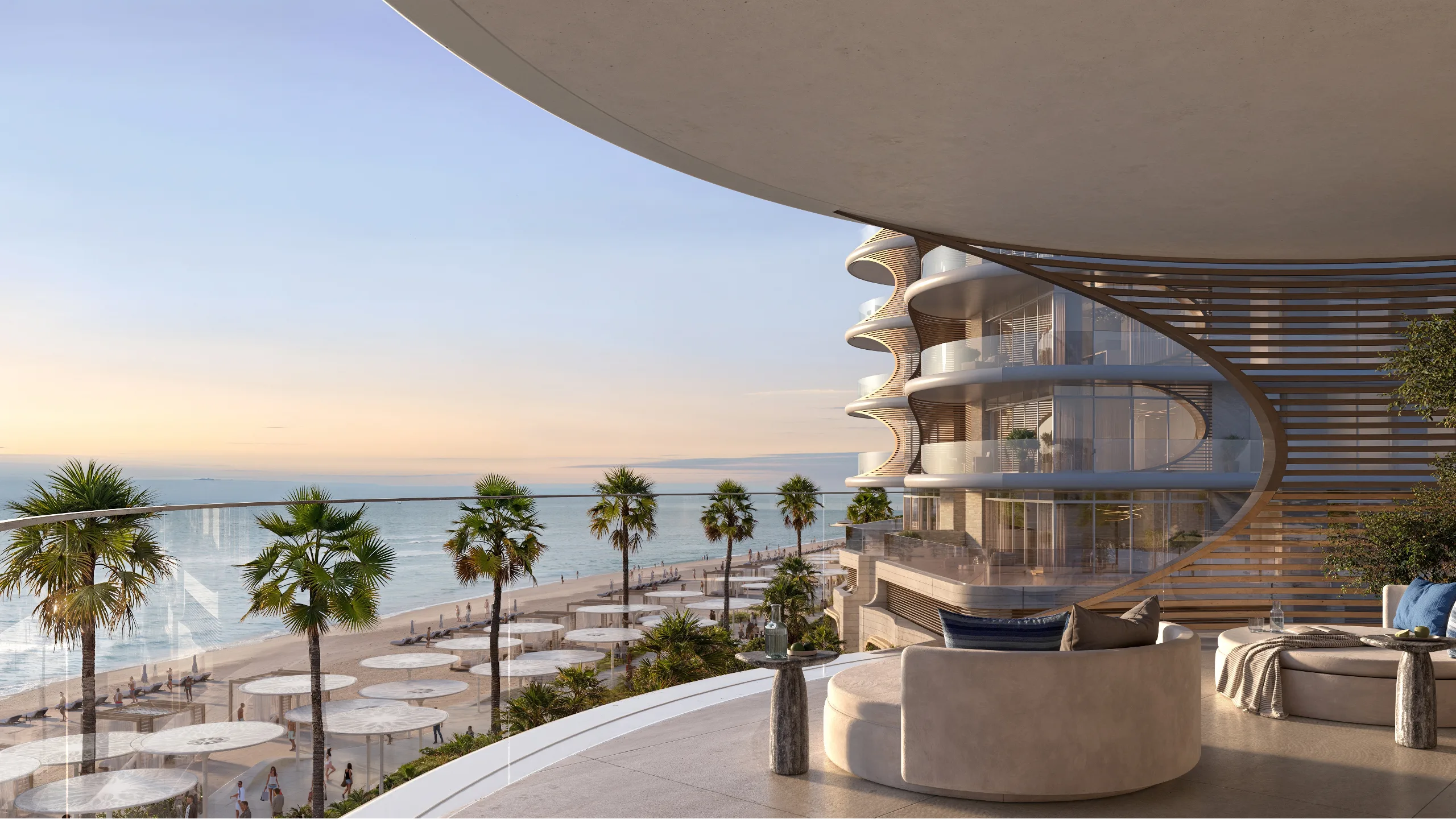
Our global Branded Residential Developments team offers seamless sales, marketing, distribution, and consultancy solutions. Fill in your details and we'll be in touch to discuss your needs.
Delve deeper into the insights, access our comprehensive dataset, and explore future predictions from our team of experts.
Sorry!
An unexpected error has occurred.
Please try again later.