Europe’s prime space race: unlocking the next generation of luxury homes
As demand for prime homes grows, Europe’s biggest challenge is finding somewhere to put them. Developers are turning to office conversions and emerging resort destinations to unlock new luxury residential projects.
Scarce sites are reshaping luxury residential development across Europe
Demand for the calibre of homes found in London and New York is intensifying in Madrid, Paris and Milan, but supply is not keeping pace.
Sites are rare, regulations are strict and the technical requirements of branded residence projects rarely align neatly with available buildings. Across Europe’s most sought-after cities, developers are having to find new ways to unlock prime residential supply.
of the global branded residence pipeline is in Europe
Out of office Casa Lamar, Madrid
Office conversions open a route into Europe’s most constrained cities
Existing buildings are being repurposed to help meet demand for amenity-rich luxury homes.
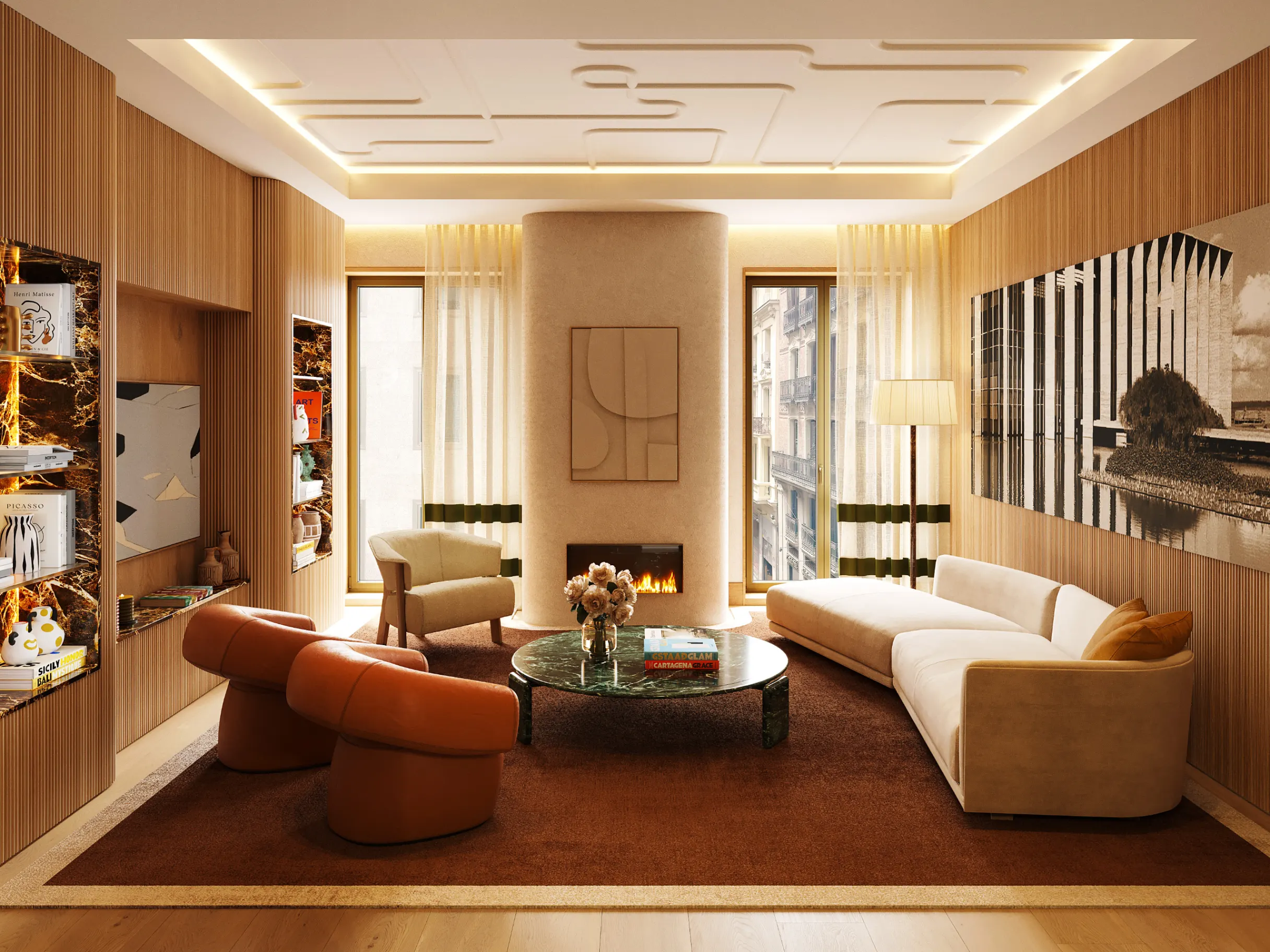
Casa Lamar Cedaceros 9 is Dubai-based Lamar Development’s answer to rising demand for amenity-rich homes in Madrid. The 22 residences, designed by Patricia Urquiola, include wellness facilities more commonly found in five-star hotels, alongside a curated private wine cellar and a roof terrace with panoramic views.
The project is a conversion of a former insurance office, which hints at the challenge facing developers across Europe’s most coveted cities. Demand is being driven by lifestyle, relative value and, in Milan’s case, a flat-tax regime drawing international buyers in numbers.
The challenge is compounded by the technical requirements of branded residence projects, from corridor widths and facade specifications to minimum floor areas, which rarely align with available buildings.
Demand is building across Europe’s prime cities, but suitable sites remain exceptionally scarce.
Three more former offices in Madrid are tipped to become luxury homes, including Paseo de Recoletos 14 and the Palacio de Gamazo on Génova 26, both purchased by Madrid-based Terralpa. In summer 2025, Swiss bank Pictet and Spanish investment manager Blasson also purchased Goya 14, the former seat of Spain’s National Court.
In Milan, where international buyers dominate at the top end, a handful of luxury hotel brands have been hunting for sites for several years, according to Mark Harvey, Managing Director, Knight Frank Europe.
Dorchester Collection became the first to announce a project in July; its restoration of the Hotel Principe di Savoia will include “a limited collection” of private residences. At least two more brands are likely to announce projects in the next 12 months, Harvey adds.
In Paris, as many as 15 funds and developers are circling the market looking to bring branded or serviced residences to the city, many targeting historic office buildings, but few are large enough to make it work, says Alison Ashby, Knight Frank’s Head of Paris Prime Residential.
New resort destinations offer more room to build
The shortage of suitable buildings is largely an urban problem. Away from Europe’s major cities, developers have more freedom to build from scratch.
Branded residences are increasingly being used to establish new luxury destinations. Porto Heli, on the eastern Peloponnese coast of Greece, is underdeveloped relative to the Cyclades or Ionian islands, while its deep natural harbour is well suited to superyachts.
Six Senses is developing a private bay into a hotel and branded residential villas, joining Four Seasons at nearby Hinitsa Bay.
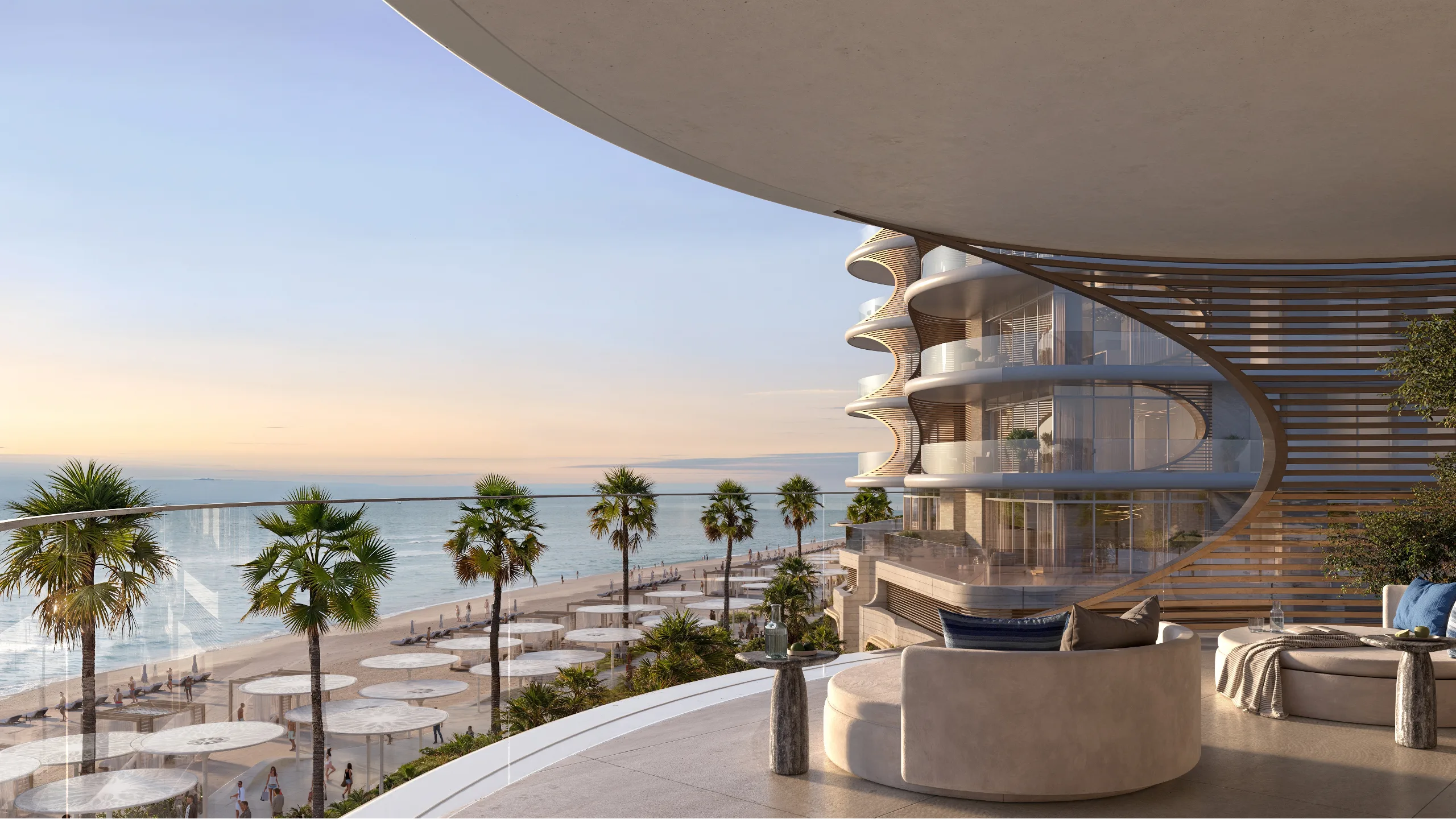
South of Lisbon on Portugal’s Alentejo coast, Comporta has shed its up-and-coming status to become one of Europe’s most coveted seaside destinations. Environmental regulations cap new development permits along the coastline, keeping the pipeline tight, while Six Senses is delivering a hotel and branded residences.
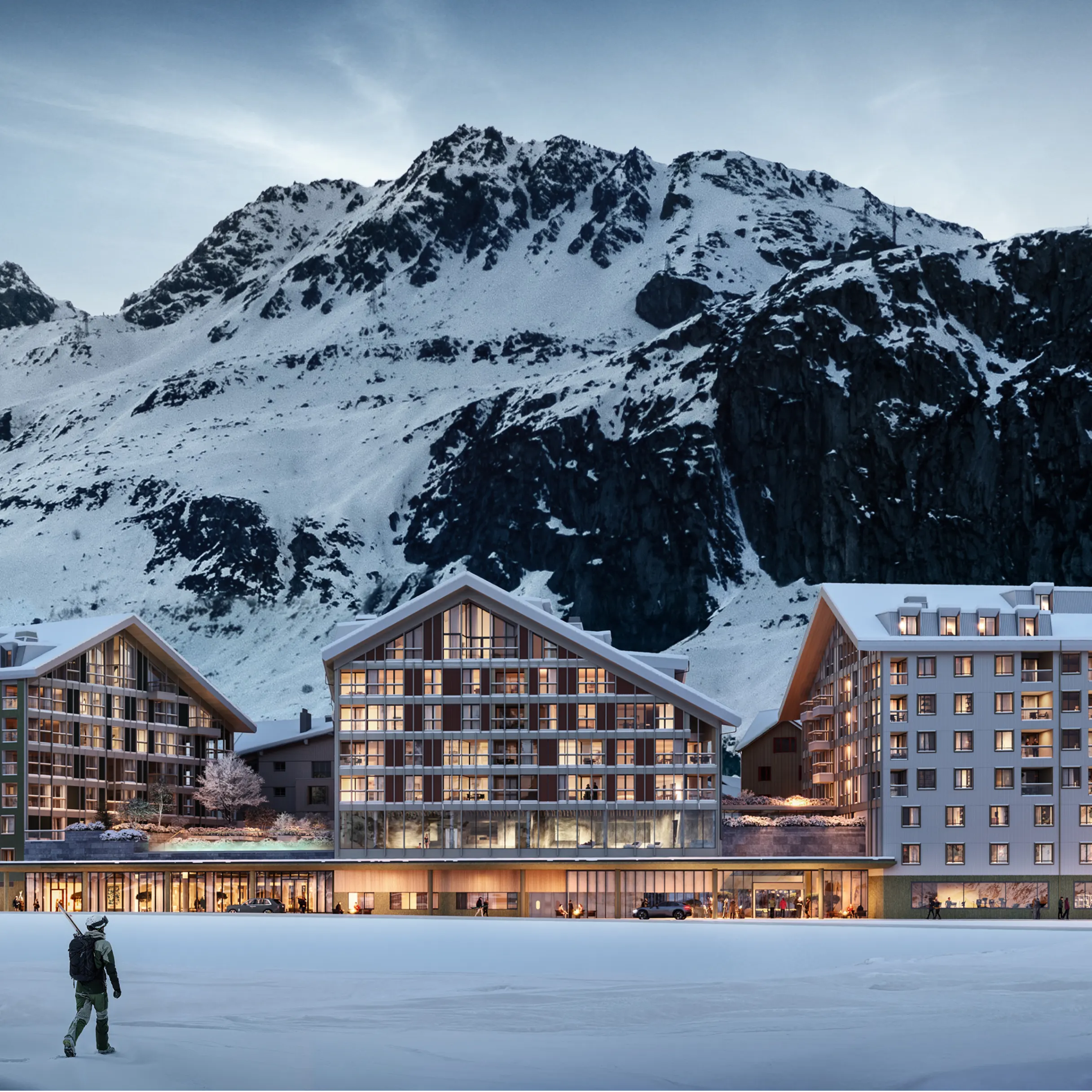
The appeal is not limited to the coast. As operators expand across Europe, their attention is also turning to alpine destinations, where branded residences remain relatively rare but demand for high-service second homes continues to grow. One&Only will open its first French Alps resort in Courchevel alongside branded residences.
Europe’s next generation of luxury residential projects will be shaped as much by the search for space as by the strength of demand.
Service-led living does not always require a hotel brand
In established resort markets, some developers are betting that buyers will look beyond a name in favour of location, architecture and concierge-level service.
Le Provençal on Cap d’Antibes is one example. International buyers on the French Riviera have traditionally favoured standalone villas over apartments, but the redevelopment is testing that preference by pairing waterfront residences with hotel-style amenities and concierge services.
The conversion of the historic Art Deco hotel by John Cauldwell will comprise lateral apartments, penthouses and garden villas, relying on the strength of its setting and design rather than a licensed hospitality brand.
Liam Bailey is Global Head of Knight Frank’s Research Department, leading the firm’s global research strategy and overseeing projects across the UK and international markets.
Talk to our luxury development experts.
Our global Branded Residential Developments team offers seamless sales, marketing, distribution, and consultancy solutions. Fill in your details and we'll be in touch to discuss your needs.